
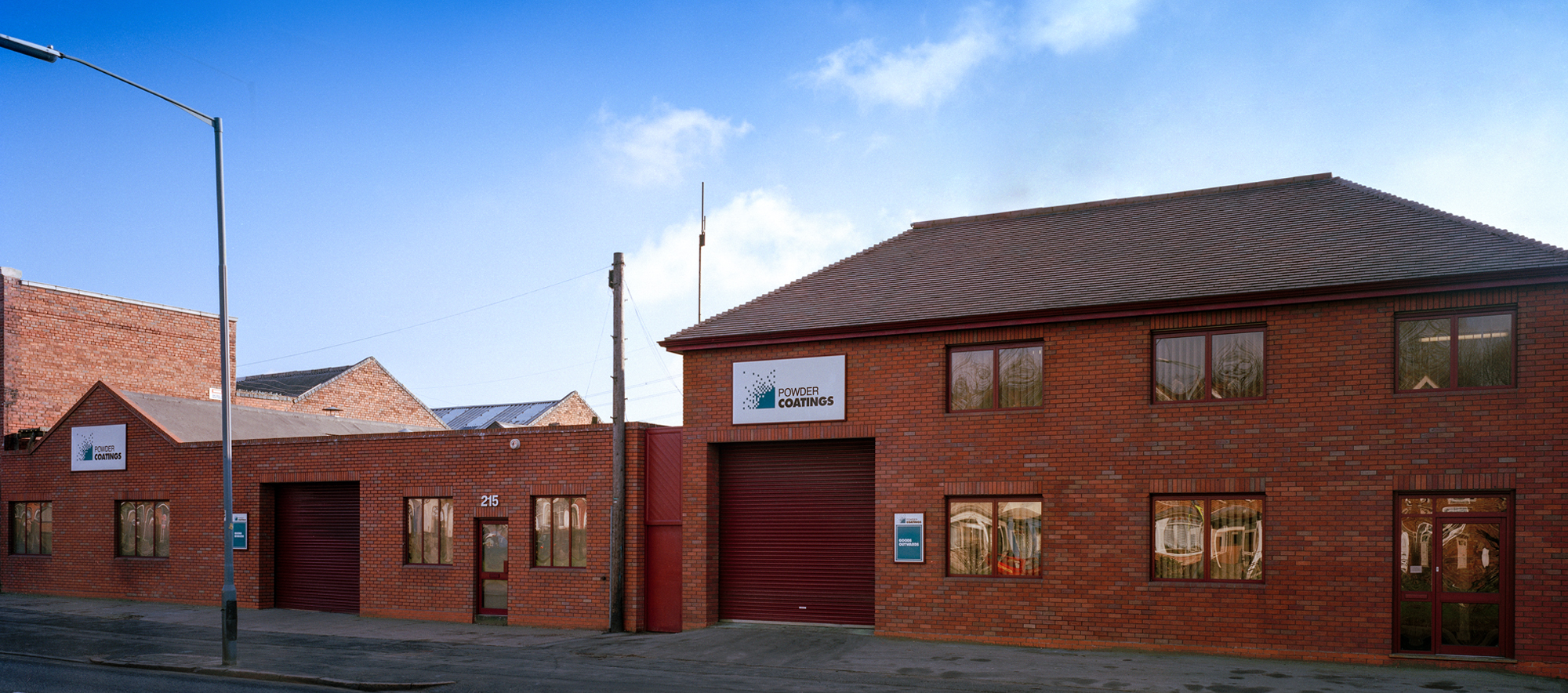
Powder Coating Process Steps
The powder coating process is a meticulous sequence used to apply a protective and decorative finish to metal surfaces. It typically begins with preparation steps such as cleaning and abrasive blasting to remove impurities and ensure optimal adherence. This is followed by the application of a powdered coating material through electrostatic spray deposition, which is then cured under heat to form a robust, uniform coating. Powder coating is esteemed for its durability, resistance to corrosion, and wide variety of colours and finishes. Understanding its process is vital for achieving high-quality metal finishes while maintaining environmental compliance due to its eco-friendly nature compared to liquid coatings.
At Powder Coatings Ltd, our powder coating procedure combines over 50 years of experience with ISO 9001 approved quality systems to deliver reliable, durable, and high-performance finishes for industrial and commercial applications. From detailed surface preparation and electrostatic powder application through to precision oven curing, every stage is carefully controlled to achieve outstanding coating quality and long-term protection.
Established Over 50 Years
Trusted powder coating specialists serving UK industries since 1972.
ISO 9001 Approved Quality
Full traceability and strict quality control procedures on every project.
Fast Turnaround Times
72-hour turnaround with optional 24-hour express coating service.
Specialist Powder Coating Solutions
Advanced coatings and technical expertise for complex industrial applications.
Understanding the Powder Coating Process
The powder coating process is a technique used to apply a dry coating powder to metal surfaces, offering a resilient and aesthetic finish. This method begins with thorough surface preparation, which is crucial for the powder to adhere well and provide a long-lasting coating. The metal pieces are generally cleaned and treated to remove any dirt, oil, or previous coatings, often through abrasive blasting. This ensures a smooth base for the powder application, promoting enhanced adherence and finish quality. Once prepared, the powder coating is applied using an electrostatic spray gun, which charges the powder particles, allowing them to adhere to the grounded metal surface.
Designed for industrial and commercial applications, powder coating is an excellent choice for manufacturers in various fields, including automotive, construction, and metal fabrication. Its popularity stems from the ability to provide a uniform coating that is not only visually appealing but also highly durable and resistant to chipping, scratching, and fading over time. Unlike traditional liquid paints, powder coating is more environmentally friendly as it does not require solvents and emits negligible volatile organic compounds (VOCs).
For businesses requiring large-scale operations, there are specialist facilities equipped with comprehensive powder coating setups that ensure consistent quality and efficiency. These facilities can manage significant volumes, catering to diverse industry needs. With advancements in materials and equipment, powder coating continues to evolve, offering options like nylon and ceramic powder coatings for specific applications, further expanding its versatility and applicability. This makes it an essential process for industries looking to achieve both functional and decorative finishes on metal products.
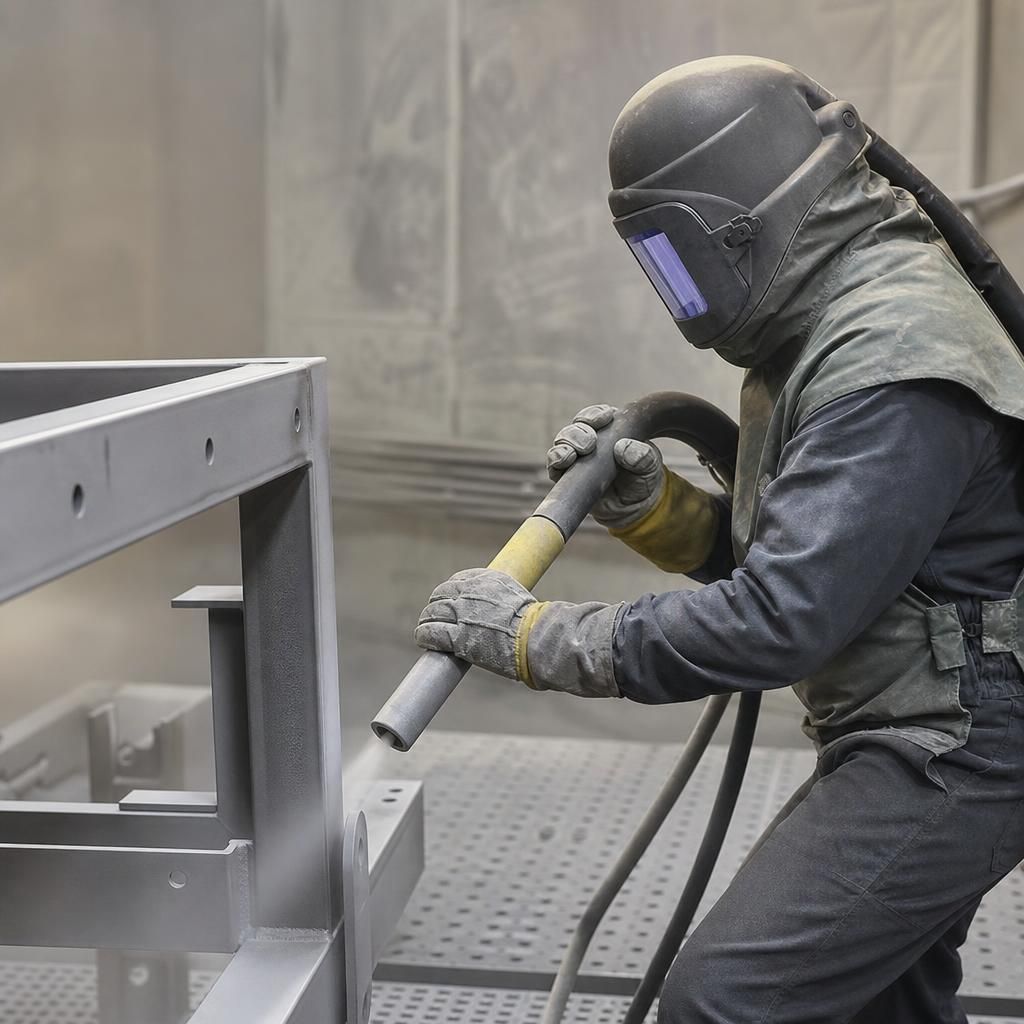
Mastering Powder Coating Techniques
Powder coating is a finishing process that involves applying a dry powder to metal surfaces through an electrostatic spray gun, which charges the powder particles so they adhere to grounded metal objects. This method creates a durable, high-quality finish that is resistant to corrosion, chipping, and fading. The coating is then cured under heat, allowing it to form a smooth and uniform layer on the surface.
This process is particularly beneficial for industries requiring long-lasting finishes, such as automotive and construction. It offers an eco-friendly alternative to liquid coatings as it contains no solvents and produces minimal waste. Additionally, powder coating is available in a variety of materials including nylon and ceramic, providing options for specific use cases.
Understanding the importance of preparation is crucial in achieving excellent results. Surface cleaning and treatments like abrasive blasting are vital steps that ensure powder adherence and quality of finish. By investing time in the preparatory stages, manufacturers can ensure the coating’s longevity and performance, ultimately improving the product’s value and appeal.
Key Powder Coating Processes and Techniques
The powder coating process is an advanced method designed to provide metal surfaces with a protective and ornamental finish. It involves meticulous surface preparation to remove contaminants and improve coating adherence, followed by electrostatic application and curing for durability and aesthetic appeal.
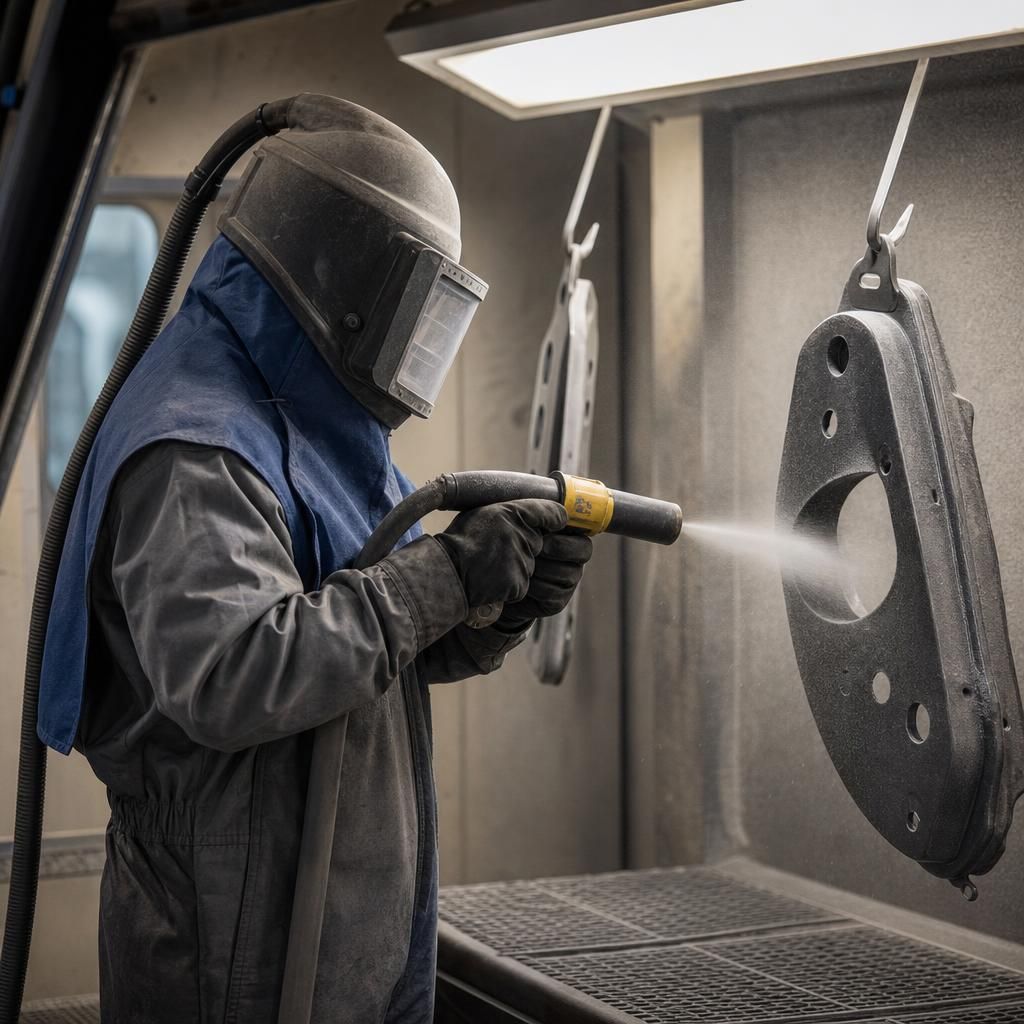
Surface Preparation
Surface preparation is crucial for effective powder coating, involving cleaning, de-rusting, and applying a conversion coat to ensure the powder adheres properly, enhancing durability and finish quality.
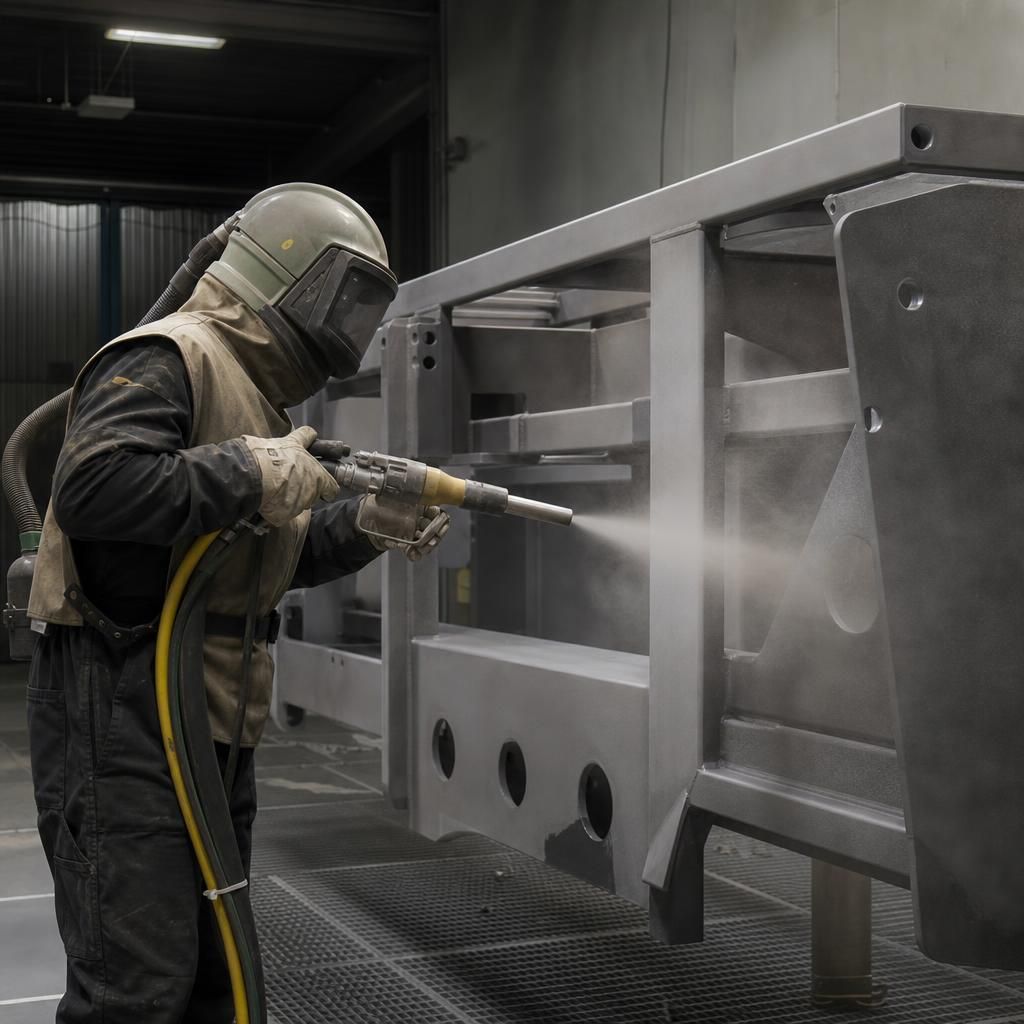
Protective Coatings
Selecting the right powder coating can provide resistance against abrasion, corrosion, and chemical exposure, benefiting industries like automotive and construction where durability is essential.
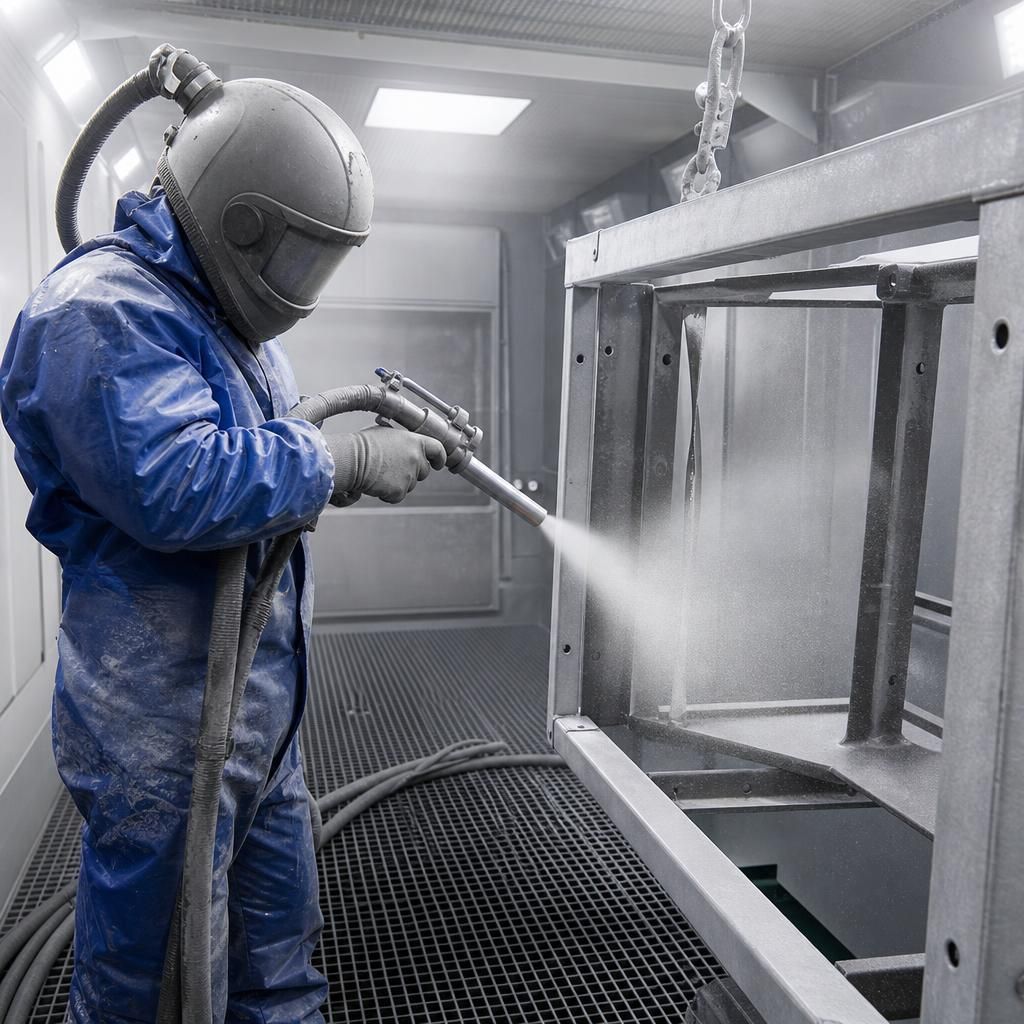
Quality Control
Quality control involves rigorous inspections during and after the coating process to ensure adherence to industry standards, guaranteeing a high-quality and consistent finish.
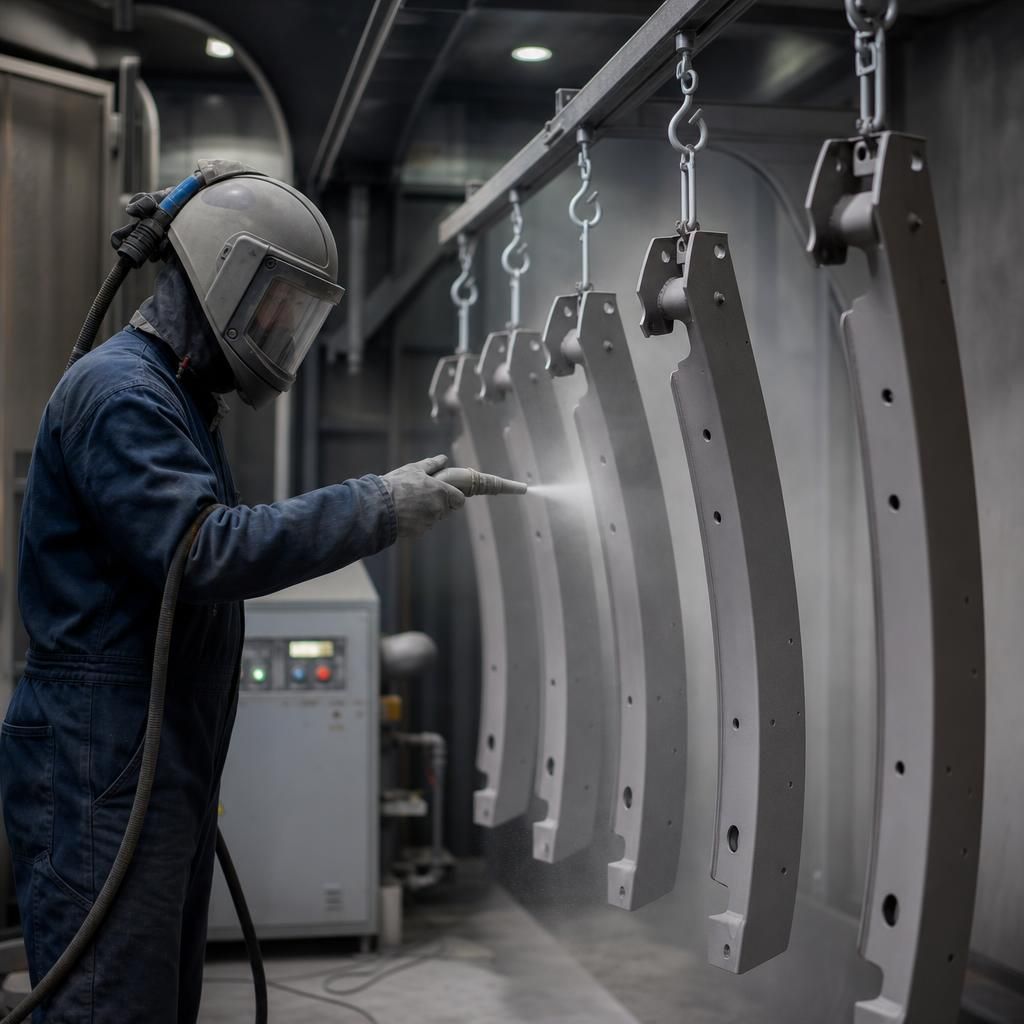
Batch Processing
Batch processing allows for efficient work handling and ensures uniformity across large quantities of parts, making it suitable for high-volume industries.
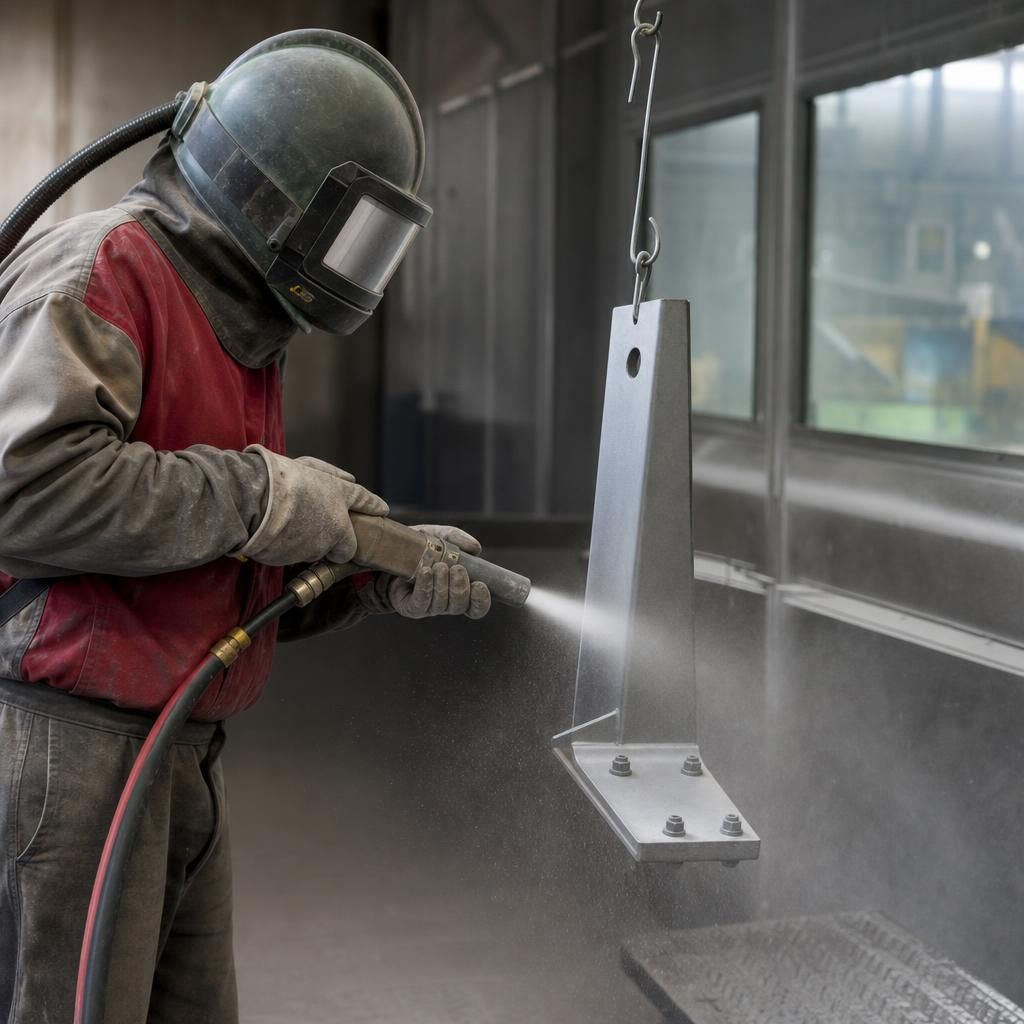
Specialist Coatings
Specialist coatings such as nylon provide exceptional characteristics like increased flexibility and impact resistance, crucial for bespoke and high-performance applications.
Essential Questions About Powder Coating
What pretreatment processes are essential for ensuring a durable and high-quality powder coating finish?
Begin the process by thoroughly degreasing your metal components to ensure the powder coat adheres properly. This crucial step removes oils and contaminants, paving the way for a flawless finish.
How do abrasive blasting and pretreatment chemicals enhance the powder coating process?
Abrasive blasting efficiently removes rust, corrosion, and surface contaminants while enhancing adhesion. Pretreatment chemicals further enhance bonding and corrosion resistance, creating an optimal substrate for the powder coating application.
What role does the powder coating primer process play in achieving a perfect metal finish?
Primers ensure strong adhesion between the substrate and topcoat, enhancing durability and corrosion resistance. They provide a smooth base, especially crucial for metals prone to rust, ensuring a flawless finish.
What are the key factors to consider when selecting a sandblasting medium for effective surface preparation in powder coating?
Choose a sandblasting medium based on substrate type and coating goals. Common choices include aluminium oxide for aggressive removal, glass beads for smoother finishes, and steel grit for heavy-duty applications.
What are the essential steps in the preparation process to ensure effective powder coating adhesion and durability?
Begin with thorough cleaning, including degreasing and blasting to remove contaminants. Apply suitable pretreatment chemicals to enhance adhesion and corrosion resistance, ensuring the powder coating is durable and long-lasting.
Enhanced Durability
Our expert powder coating services guarantee a long-lasting, eco-friendly finish with exceptional resistance to corrosion and wear.
Expert Powder Coating Techniques
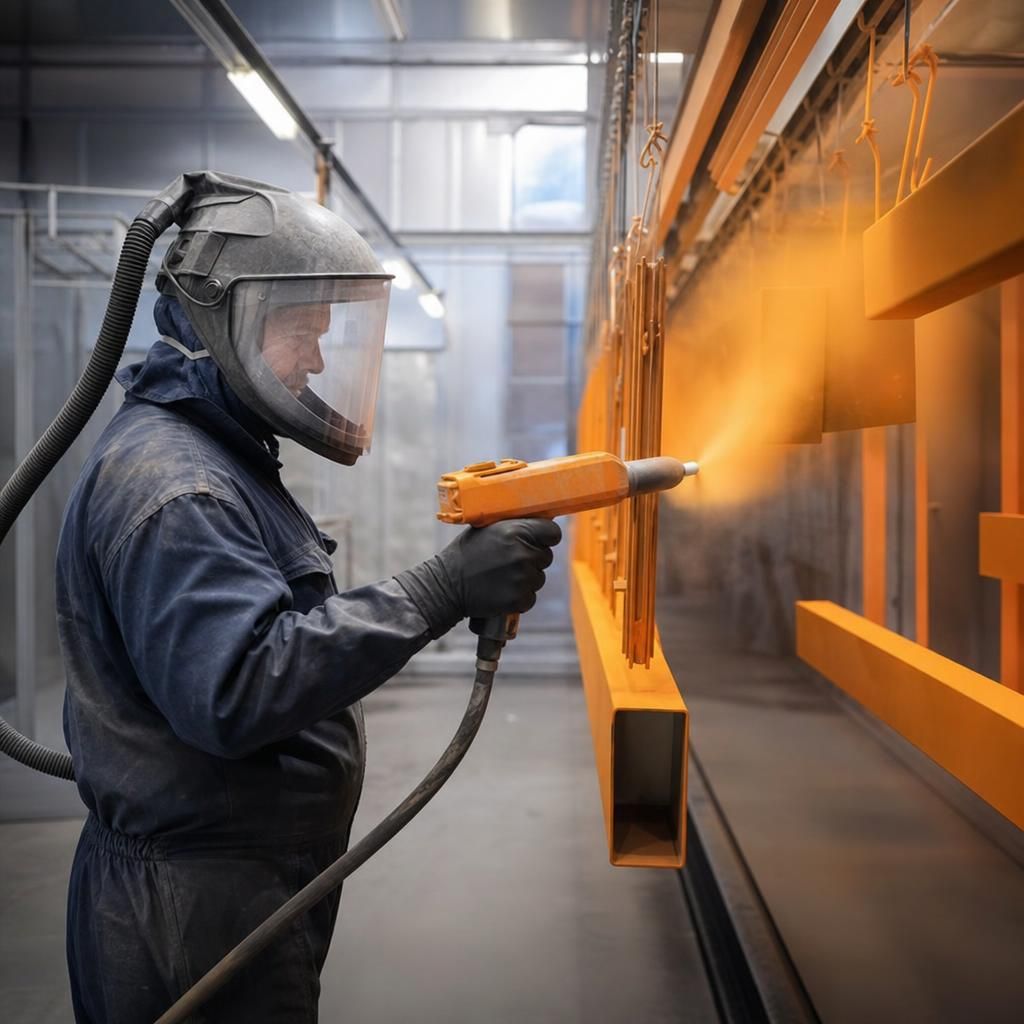
Understanding the Powder Coating Process
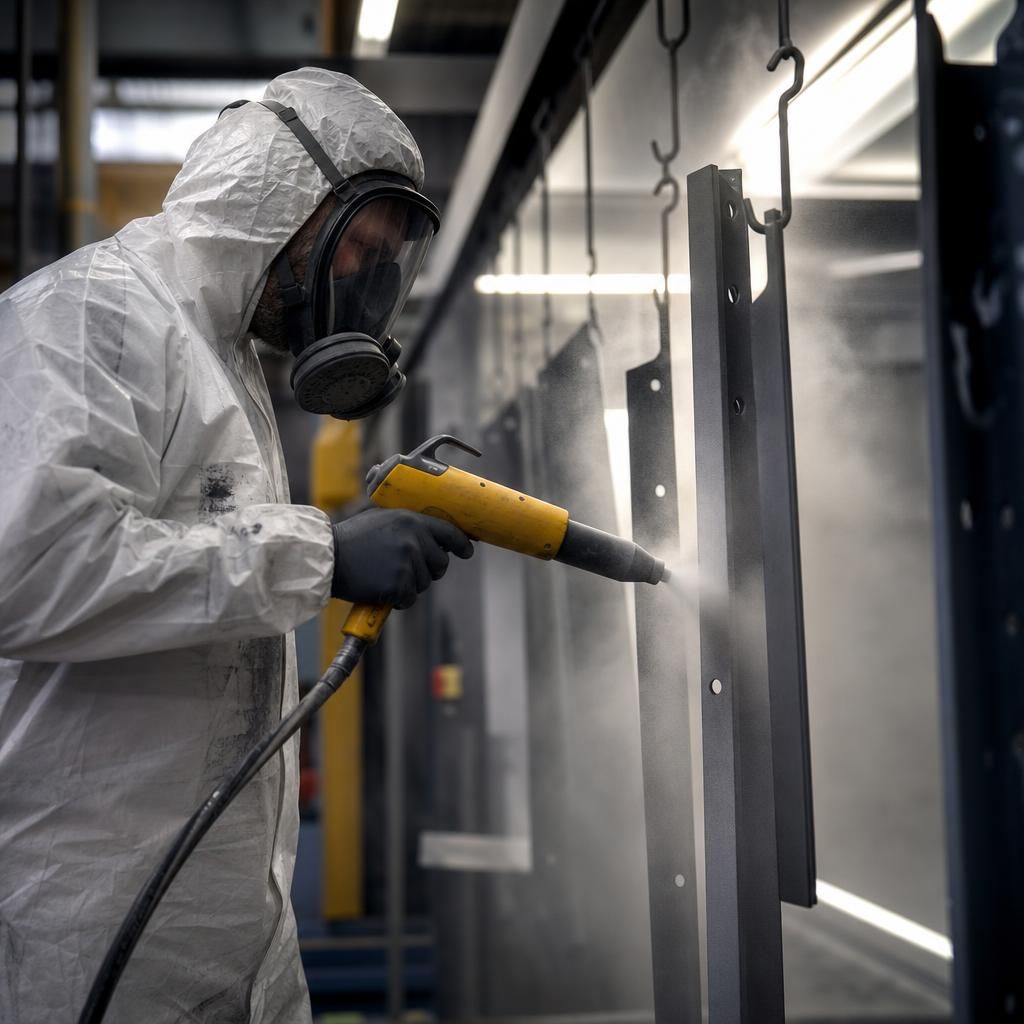
Powder coating involves applying a dry powder to metal surfaces, followed by curing under heat to form a protective layer. This method ensures a durable finish that resists chipping, scratching, and fading, making it ideal for industrial applications.
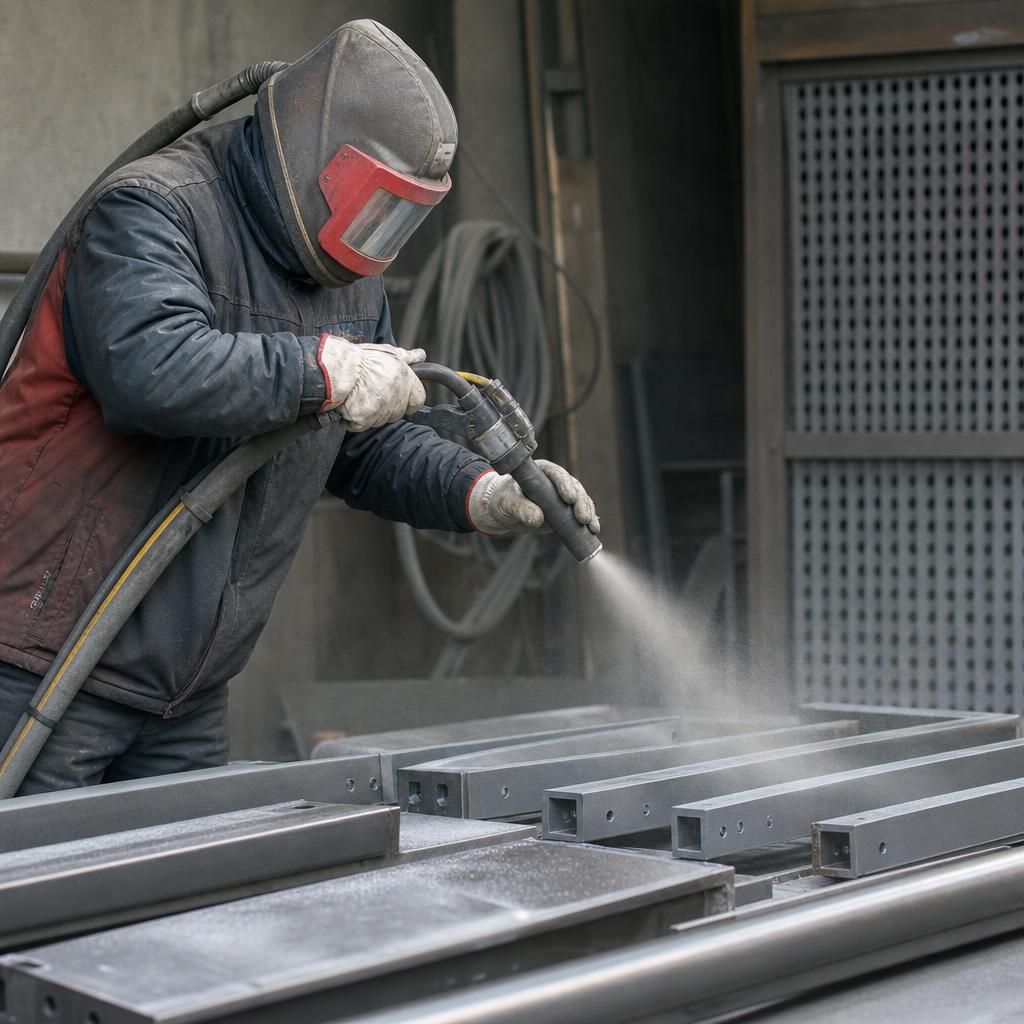
Surface Preparation Techniques
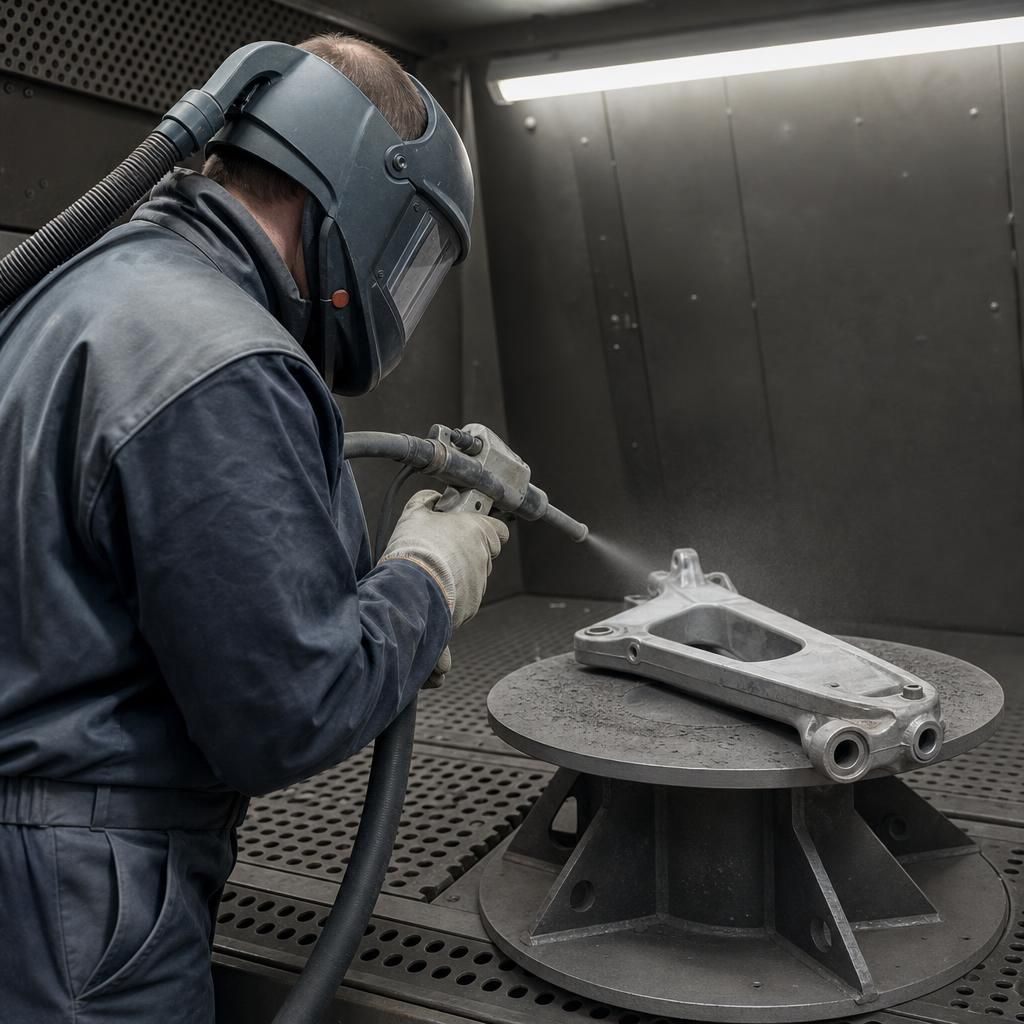
Effective surface preparation is vital for adhesion and longevity of the coating. Techniques such as sandblasting and chemical etching are employed to clean and prime the surface, ensuring optimal coating performance.
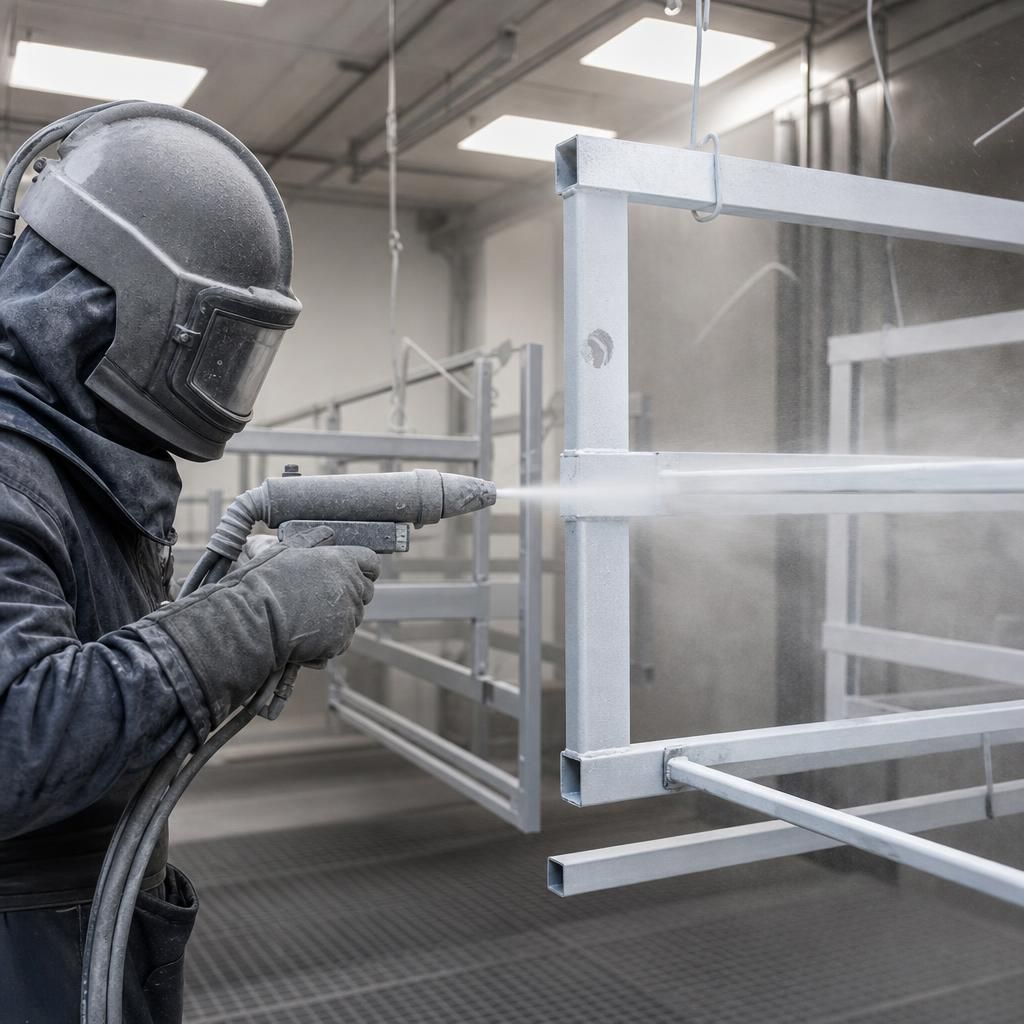
Specialising in Large-Scale Applications
Catering to high-volume requirements, our facilities are equipped to handle large-scale batch processes, ensuring consistent quality across extensive production runs. This is crucial for sectors like automotive and construction.
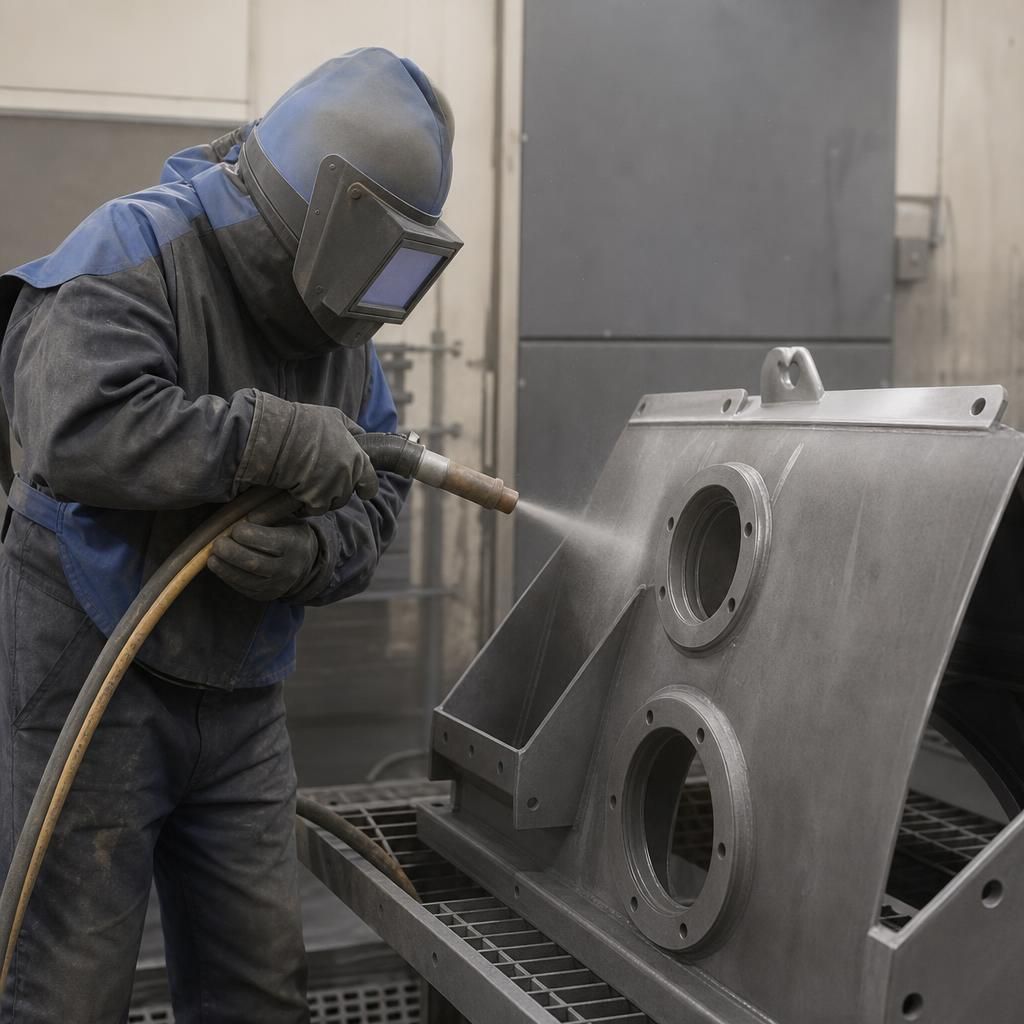
Nylon and Protective Coatings
Nylon coatings provide exceptional abrasion resistance and low friction surfaces. These characteristics make them suitable for applications requiring robust wear resistance and longevity, such as gear components and machinery parts.
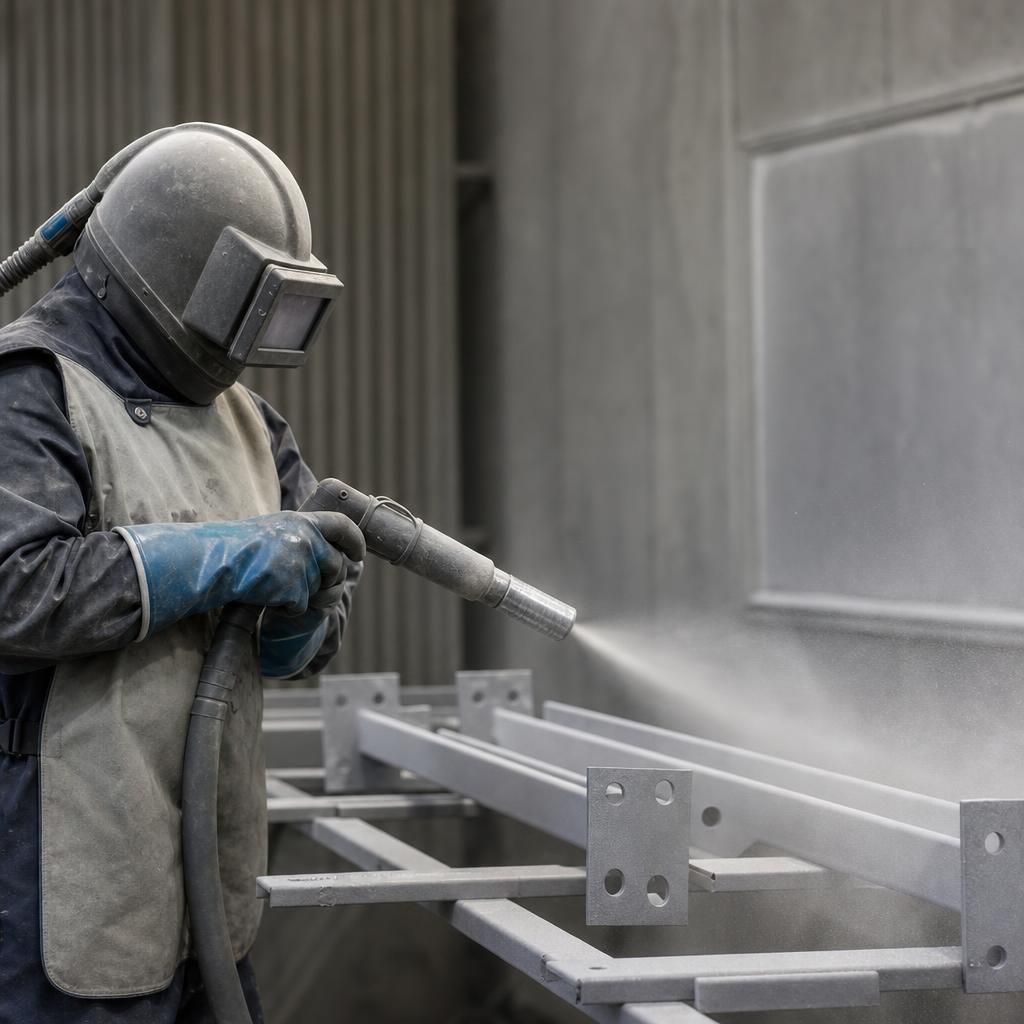
Strict Quality Assessment Protocols
Each batch undergoes rigorous quality control checks to ensure coatings meet industry standards and client specifications. We utilise advanced techniques to test adhesion, thickness, and overall durability.
Custom Colour and Finish Options
A wide array of colour and texture options are available to meet bespoke requirements. Clients can select from standard RAL colours or custom-matched finishes to align with brand or project aesthetics.
Commitment to Eco-Friendly Practices
Powder coating is an environmentally conscious option, utilising materials free of volatile organic compounds (VOCs). Our processes are designed to minimise waste and promote sustainable practices in manufacturing.
Curing and Finishing Expertise
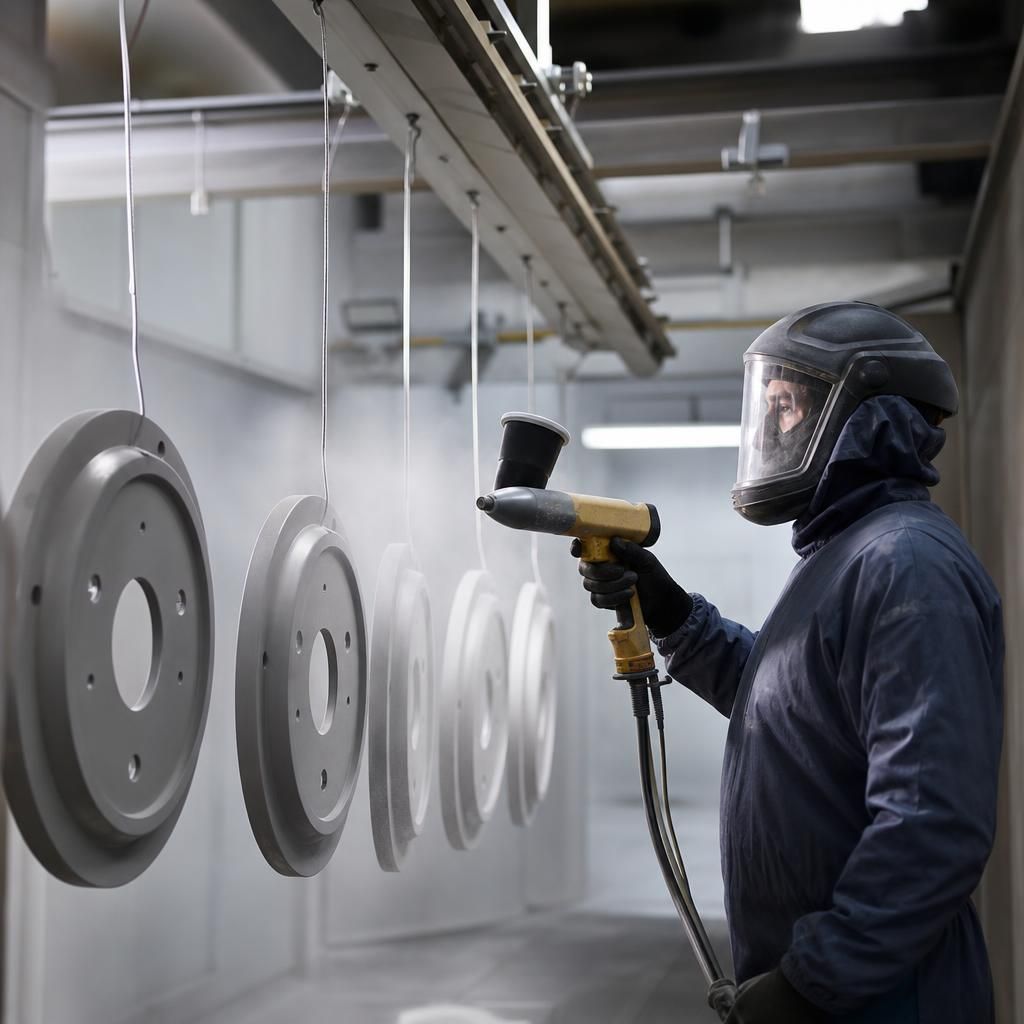
The curing process is critical to achieving the desired hardness and finish of the coating. We employ state-of-the-art ovens to ensure even heating and rapid curing, delivering high-quality finishes efficiently.
Common Powder Coating Questions
What is the best way to prepare surfaces for powder coating?
Abrasive blasting uses high-pressure media, like sand or grit, to clean and prepare metal surfaces for coating. This removes impurities and provides a rough texture for better adhesion of the coating.
What is the process for degreasing metal components before powder coating?
Degreasing metal involves removing oils, dirt, and contaminants using chemical solvents or aqueous solutions. This critical step ensures optimal adhesion and finish quality in the powder coating process.
What is the powder coating primer process?
A powder coating primer enhances adhesion, filling surface imperfections before applying the final coating layer. Typically, an epoxy primer is used, providing corrosion resistance and a smooth foundation on metal surfaces.
What are the steps involved in sandblasting for powder coating preparation?
Sandblasting uses abrasive media to remove rust, paint, and old coatings from metal surfaces. This process ensures a clean, textured surface, ideal for subsequent powder coating applications.
What are the benefits of using nylon powder coating for metal components?
Nylon powder coating delivers exceptional corrosion resistance and longevity, making it perfect for metal components exposed to harsh environments. It offers a smooth finish and excellent wear and chemical resistance.