

What are the specific environmental benefits of choosing electrostatic powder coating over other coating methods?
Electrostatic powder coating can reduce environmental impact by using little or no solvent, producing very low volatile organic compound (VOC) emissions and allowing unused powder to be collected and reused rather than discarded. Its durable finish can also reduce the frequency of recoating and the associated consumption of materials.
Electrostatic powder coating can offer a lower-impact finish because it applies a dry coating directly to a charged metal surface, avoiding many solvent-related impacts associated with liquid paint. Its environmental advantages extend beyond the application stage: the process can support more efficient material use, reduce hazardous coating residues and provide a long service life for the coated component. The overall result still depends on the powder formulation, pre-treatment, curing energy and controls used by the coater.
One important benefit is controlled deposition. Powder particles are electrically charged and attracted to the earthed metal workpiece, helping the coating reach edges, faces and recesses without relying solely on spray pressure. A well-designed application system can therefore reduce overspray and improve the proportion of material that becomes part of the finished coating. This can reduce the amount of unused coating requiring handling, storage or disposal compared with less controlled application methods.
Powder coating can also reduce the environmental burden associated with coating residues. Liquid systems may leave contaminated thinners, wash-out liquids, paint sludge and containers containing solvent-based residues. Powder is supplied as a dry material, so the process does not normally require the same volume of solvent for thinning or equipment cleaning. This can simplify waste segregation and reduce the risk associated with solvent-contaminated waste, provided that collection and disposal procedures are properly managed.
The coating’s service life is another environmental consideration. A finish that remains protective and visually acceptable for longer can reduce the need to strip, transport and refinish components. Fewer refurbishment cycles may mean lower consumption of raw materials, less preparation waste and reduced disruption to the manufacturing process. This is particularly relevant for metal panels, frames, fabricated parts and other components expected to remain in service for many years.
Electrostatic powder coating can contribute to resource efficiency in several practical ways:
- Dry powder can be measured and applied as a coating material without adding liquid solvent to the formulation.
- Automated application equipment can provide consistent film coverage, helping to avoid excessive coating thickness and unnecessary material use.
- Powder overspray can be managed through suitable extraction and filtration equipment, subject to the powder type and system design.
- A robust finish can reduce the frequency with which metal components need to be removed, prepared and recoated.
- Metal remains the main structural material, while the coating provides surface protection without requiring a separate cladding layer.
There are, however, environmental trade-offs that should be included in a fair comparison. Powder coating normally requires an oven-curing stage, so the energy source, oven efficiency, loading pattern and cure schedule affect the process footprint. Liquid paint may sometimes cure at ambient temperature, although its solvent content and air-emission profile must then be considered. For this reason, powder coating is not automatically the lowest-impact option for every component or production arrangement.
Pre-treatment also influences the final assessment. Cleaning, chemical conversion coatings or other preparation stages can involve water, chemicals and treatment residues. Responsible process control includes using the appropriate preparation for the substrate, controlling chemical consumption, preventing contaminated discharge and managing spent treatment materials through suitable waste procedures. The coating specification should therefore be assessed as a complete system rather than by considering the powder alone.
For a B2B purchaser, useful questions include whether the coater controls powder application and extraction, how curing energy is managed, what pre-treatment is required, and how coating residues and preparation waste are handled. It is also sensible to compare the expected service life and maintenance requirements with those of the proposed alternative. Electrostatic powder coating is most environmentally advantageous when efficient application, appropriate pre-treatment, controlled curing and long-term component use are considered together.
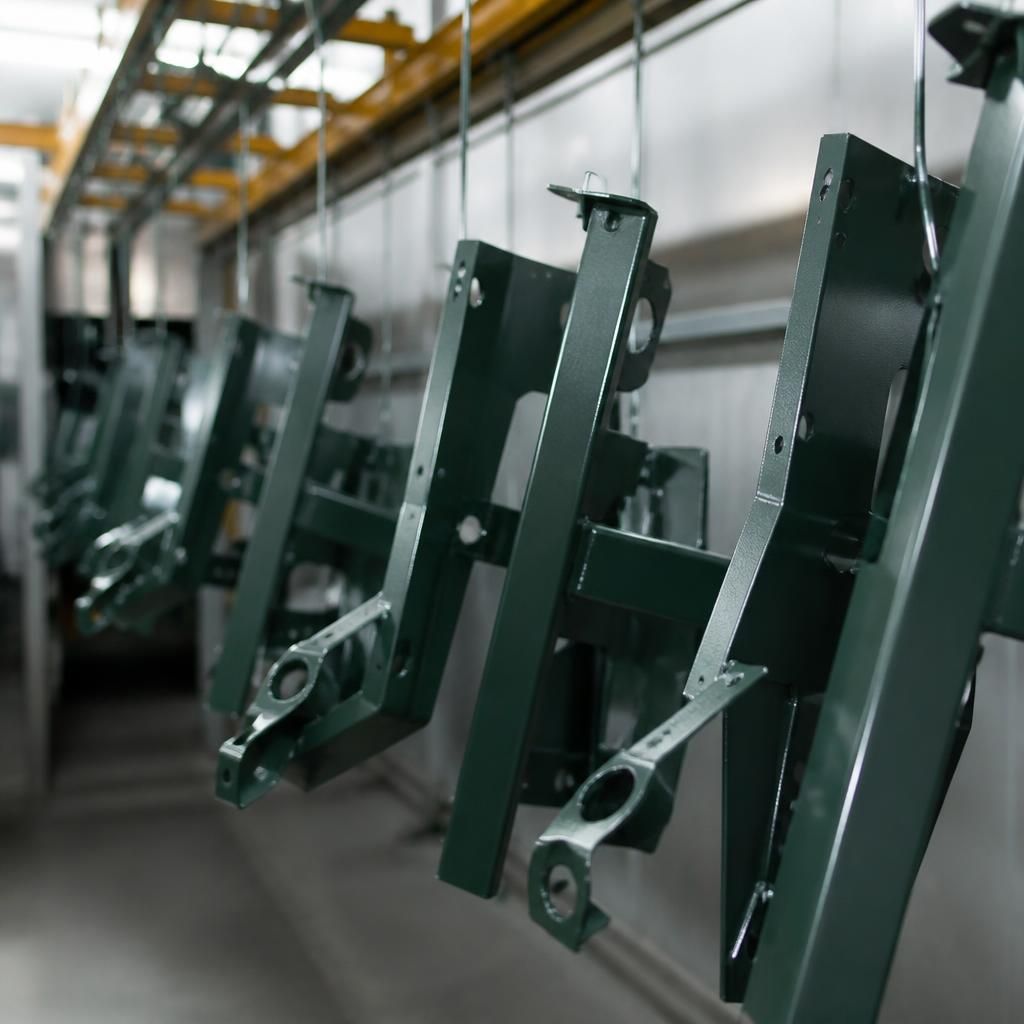
A further environmental benefit is that powder coating adds protection without changing the underlying metal component into a composite or requiring a separate cladding layer. At the end of its working life, coated steel can generally enter established metal recovery routes, although the receiving facility’s requirements and any attached materials should be checked.
The powder specification still matters. Different formulations contain different resins, pigments and additives, so environmental assessment should include the product’s safety information and disposal guidance rather than assuming every powder has the same profile. For industrial components, selecting a suitable formulation and documenting the coating system helps ensure that environmental performance is considered from manufacture through to eventual recovery.