

What maintenance is required for powder-coated steel to ensure its longevity?
Powder-coated steel requires regular cleaning with a mild detergent and water, followed by thorough rinsing and drying to remove dirt, salts and other contaminants. Inspect the coating periodically for chips, scratches, corrosion or areas where water may collect, and repair any damage promptly using a compatible touch-up system or professional recoating.
Maintaining powder-coated steel involves controlling the conditions around the coating, avoiding practices that damage its surface and checking associated components such as fixings, seals and drainage points. A powder coating is durable, but its service life still depends on correct use, suitable installation and maintenance matched to the level of environmental exposure.
Prevent contamination from becoming a coating problem
Industrial and external steelwork can be exposed to road salt, airborne pollutants, process residues, cement dust, oils and other substances that may attack the coating or hold moisture against it. Contamination should not be allowed to remain in sheltered areas, joints, returns, undersides or other locations where it can concentrate. The required maintenance frequency depends on the installation environment: coastal, heavily polluted, chemically exposed and high-traffic locations generally need closer attention than clean, sheltered interiors.
Cleaning products should be compatible with the powder coating and used in accordance with the coating supplier’s guidance. Avoid abrasive pads, wire brushes, aggressive solvents, strong alkalis and unapproved industrial chemicals. These can dull the finish, soften the coating, remove gloss or create a surface that retains dirt more readily. Pressure washing should also be controlled carefully, particularly around joints, edges, seals and interfaces where water could be forced behind the coating.
Keep water moving away from the steel
Good drainage is an important part of long-term maintenance. Leaves, silt and debris can block weep holes, channels and drain paths, allowing water to remain against the coated component. Clear these areas as part of routine site maintenance, while taking care not to scrape the coating with tools. Components should also be checked for changes in alignment, failed seals or altered supports that cause water to sit against the steel.
Where powder-coated steel is used outdoors, inspect interfaces between the steel and other materials. Trapped moisture at overlaps, enclosed sections, washers, brackets and fixings can create localised corrosion even when the main visible surface remains intact. Seals and jointing materials should be compatible with the coating and replaced if they split, shrink or lose their ability to exclude water.
Protect the coating from mechanical and chemical stress
- Prevent repeated impact from tools, pallets, vehicles and handling equipment.
- Use suitable protective packaging, spacers and lifting methods when components are moved or stored.
- Do not drag coated parts across hard surfaces or stack them where edges and projections can rub together.
- Keep chemicals, wet materials and contaminated packaging away from coated steel during storage and installation.
- Remove cement, mortar, plaster and metal swarf using methods that will not abrade or chemically attack the finish.
Powder-coated steel should not be treated as maintenance-free simply because the finish is hard. Changes in use can introduce new risks, such as forklift traffic, abrasive dust, increased chemical exposure or frequent contact with tools. A maintenance plan should be reviewed when the surrounding process, building use or installation layout changes.
Maintain connected components as well as the coating
Bolts, hinges, brackets, welds, seals and drainage fittings can affect the condition of powder-coated steel. Corroding fixings may stain the surface or expand within joints, while incompatible metals can promote galvanic corrosion when moisture is present. Check that replacement hardware is suitable for the environment and does not damage the coating during fitting. When fasteners are tightened, avoid crushing the finish or exposing bare metal around holes.
For assembled products, lubrication and adjustment should follow the equipment manufacturer’s instructions. Lubricants should not be allowed to spread across the visible coating, where they can attract dust or react with contamination. Any maintenance work involving drilling, cutting or welding should include an appropriate method for protecting and restoring the affected area, because the original factory finish will no longer provide continuous coverage at the alteration.
Use a planned maintenance record
A useful record identifies the component, its exposure conditions, previous maintenance, products used and any changes observed. It should also note areas that are difficult to access, because concealed faces and joints may deteriorate before the main visible surface. Photographs can help compare recurring problem areas and establish whether staining, fading, loss of gloss or coating deterioration is progressing.
Where the finish is exposed to unusual heat, chemicals, salt or continuous moisture, obtain advice on a suitable maintenance method rather than applying a household or general-purpose product. If the coating has deteriorated extensively, the correct remedy may involve professional assessment, preparation and recoating rather than repeated cosmetic treatment. Maintenance preserves the conditions that allow powder-coated steel to perform; it cannot compensate for unsuitable coating selection, poor drainage or an environment beyond the finish’s intended resistance.
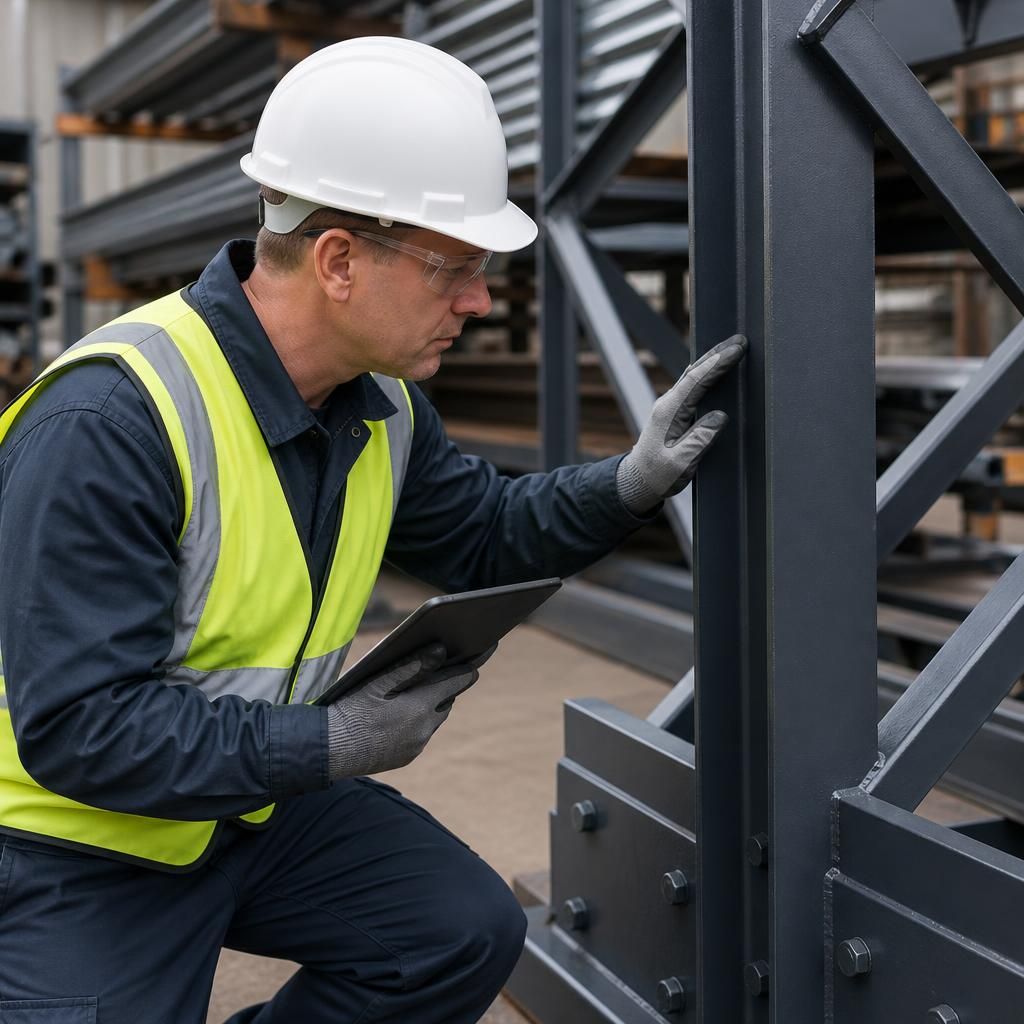
A maintenance inspection should assess the coating and the steel separately. Surface dirt or staining may affect appearance without indicating coating failure, whereas blistering, flaking, lifting at edges or visible substrate corrosion can show that the protective system has been breached.
Where deterioration is suspected, the affected area should be assessed after the surface has been cleaned and dried. Minor, localised damage may be suitable for a compatible repair system, provided the surrounding coating remains sound. Widespread loss of adhesion, recurring corrosion or damage extending into joints and edges generally requires a professional review to determine whether preparation and recoating are necessary. This approach avoids treating a structural or corrosion issue as merely a cosmetic defect.
Discuss maintenance for your powder-coated steel components
If you need to review the condition of powder-coated steel components or plan appropriate remedial work, discuss the requirements with the Powder Coatings team. They can help identify whether local repairs, preparation or professional recoating is the most suitable next step.