

How does powder coating impact the lifespan and maintenance of galvanised steel components?
Powder coating adds a durable barrier over galvanised steel, helping protect components from moisture, weathering, abrasion and chemical exposure while supporting the zinc layer beneath. This can extend service life and reduce the frequency of remedial maintenance, provided the surface is correctly prepared and the finish is inspected and cleaned appropriately.
Powder coating can extend the working life of galvanised steel by creating a duplex protection system: the powder-coated layer provides the outer finish, while the zinc coating continues to protect the underlying steel where the outer layer is locally damaged. The result is greater resistance to coating breakdown and a maintenance regime focused on condition monitoring rather than frequent remedial work.
The lifespan benefit depends on how well the two coating systems work together. Galvanised steel must have a sound, suitable surface for the powder coating to bond to. Excess zinc reaction products, surface contamination, trapped gases or poor edge coverage can create weak points. If adhesion is poor, the powder layer may blister, flake or detach, exposing larger areas of the galvanised surface and accelerating further deterioration.
Where the coating remains properly bonded, it limits direct exposure of the zinc to the surrounding environment. This slows the consumption of the zinc layer and helps preserve its sacrificial function. If the powder coat is penetrated by a scratch or impact, the zinc can still provide local protection to exposed steel, although this should not be treated as a substitute for repairing significant damage.
Powder coating also helps maintain the appearance and usable condition of components that are handled, installed or exposed to industrial surroundings. A stable finish is less likely to require repeated preparation and recoating than an unprotected or poorly bonded surface. However, expected service life varies according to factors including outdoor exposure, pollution, salt, chemical contact, operating temperature, movement, impact and the geometry of the component.
Maintenance should be based on the component’s risk and environment. A practical programme includes:
- checking for chips, scratches, lifting edges, blistering, cracking, chalking and changes in gloss or colour;
- paying particular attention to corners, welds, fasteners, drainage points and areas where water or debris can collect;
- removing deposits using cleaning methods that do not abrade or chemically attack the finish;
- recording defects so that recurring damage can be linked to handling, installation or service conditions; and
- repairing exposed areas with a method suitable for the coating system, rather than simply applying an incompatible touch-up product.
Small defects should be assessed promptly because damage can spread beneath a coating when contaminants enter at an unsealed edge. The correct repair depends on the depth and extent of the damage. A superficial mark may need only careful cleaning and compatible local treatment, while widespread delamination or corrosion generally requires removal of unsound material and a properly specified rework process.
Design and installation choices have a direct effect on maintenance demand. Components should avoid unnecessary ledges, crevices and enclosed sections that retain contamination. Drainage and ventilation should be considered for fabricated assemblies, and contact between dissimilar materials should be assessed where it could create galvanic effects. Careful lifting, transport and fitting also reduce impact damage that can shorten the service interval.
For industrial users, the main advantage is lifecycle control rather than simply a longer-lasting appearance. A correctly specified powder coating can help galvanised components remain serviceable for longer, reduce disruption caused by repeated recoating and make condition-based maintenance more practical. The coating specification should therefore reflect the component’s exposure and duty, with inspection and repair procedures defined before the parts enter service.
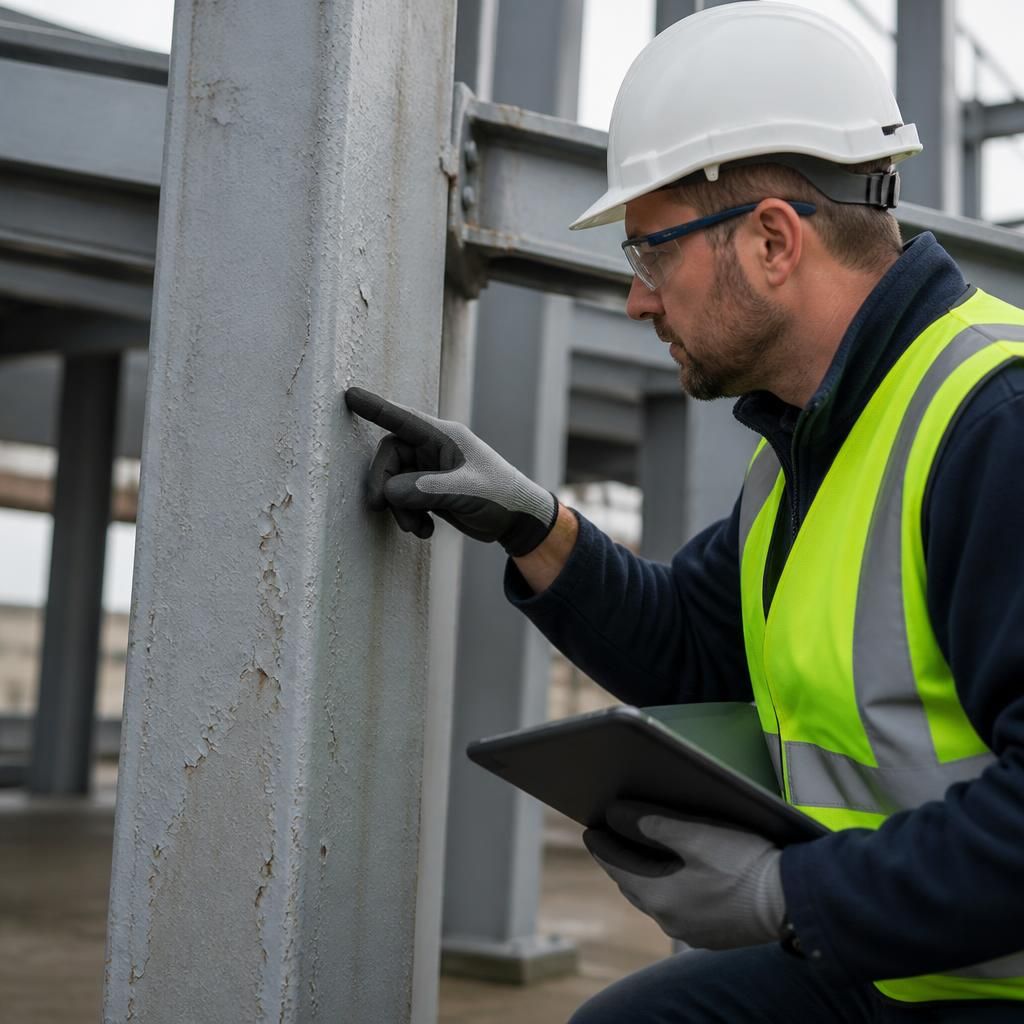
Not every change in appearance indicates loss of corrosion protection. Fading, reduced gloss or light surface chalking may reflect weathering of the powder finish, whereas blistering, lifting, cracking or exposed metal indicate a more significant protective defect. Separating cosmetic deterioration from coating failure helps maintenance teams prioritise remedial work and avoid unnecessary full recoating where the bonded film remains sound.
For galvanised components, the condition of the zinc beneath the powder coating should also be considered when assessing a defect. A localised mark may be manageable with compatible repair treatment, but damage that has reached the steel or allowed corrosion to develop requires a more comprehensive assessment. This distinction supports proportionate maintenance decisions and helps preserve the combined protection provided by the powder coating and galvanised layer.
Discuss Powder Coating for Your Galvanised Steel Components
Discuss your galvanised steel components with Powder-coatings.co.uk to review the required powder coating specification, surface condition and expected service environment. This can help establish a suitable approach before coating or refurbishment work begins.