

What are the environmental benefits of choosing a shiny black powder coat finish?
A shiny black powder coat finish can reduce environmental impact because powder coating uses dry powder rather than solvent-rich liquid paint, resulting in very low VOC emissions during application. Overspray may be collected for efficient reuse, while the cured coating’s durability can reduce the need for frequent stripping, repainting and replacement of coated metal components.
A shiny black powder coat finish can offer environmental benefits through lower solvent use, efficient material handling and a long service life for coated metal components. The colour and gloss level do not make the finish inherently more sustainable; the main benefits come from the powder-coating process, the coating specification and how effectively the finished component performs throughout its use.
Powder coating is applied as a dry formulation, so it does not need the same liquid solvent system as many conventional paints. This can reduce the need for solvent storage, mixing and disposal, as well as limiting contaminated cleaning materials such as solvent-soaked cloths and containers. It also avoids some of the environmental controls associated with handling solvent-based coatings. These benefits are strongest where the alternative would be a solvent-rich wet-paint system.
The process can also reduce material losses when application and recovery equipment are properly managed. Powder that does not initially reach the component can, in suitable systems, be collected rather than treated as immediate liquid-paint waste. Whether recovered material can be reused depends on the powder type, colour requirements, contamination and the quality controls used by the coating facility. This is particularly relevant for repeat production batches where the same specification is applied consistently.
Environmental performance also depends on the preparation stage. Thorough cleaning and pretreatment help the coating bond correctly, but these stages may involve chemicals, rinse water and wastewater controls. Powder coating should therefore not be described as impact-free. A responsible specification considers the pretreatment method, chemical management, wastewater handling and disposal routes alongside the powder itself.
The curing oven is another important consideration. Powder must be heated to form a continuous film, so the process uses energy. The environmental result depends on factors such as oven efficiency, loading, part size, cure schedule and whether components are processed in well-planned batches. Oversized or partly empty oven loads can use more energy per component, while suitable production planning can make better use of the heat required for curing.
A correctly specified finish can support a longer working life for the metal part by resisting the conditions it is designed to face. This may reduce the environmental resources associated with removing a failed coating and preparing the component for another finish. It can also support refurbishment of suitable metalwork instead of treating the component as disposable. These outcomes depend on selecting the right powder chemistry, pretreatment and cure for the exposure conditions; a decorative high-gloss black finish should not automatically be assumed to provide the protection required in severe industrial or external environments.
The black colour itself has a practical environmental consideration. A dark surface can absorb more solar heat than a light-coloured one, which may matter for exposed enclosures, panels or equipment where surface temperature affects energy use or operating conditions. For many metal components this has little significance, but it should be assessed where the finished part forms part of a heat-sensitive installation.
When comparing options, assess the full coating life cycle rather than focusing only on the finish’s appearance. Useful questions include:
- Does the chosen powder meet the component’s actual corrosion, chemical, abrasion and weathering requirements?
- Can the application process minimise rejected parts, unnecessary rework and contaminated waste?
- How are pretreatment chemicals, rinse water and coating residues controlled?
- Is the curing process appropriately matched to the component and production batch?
- Can the coated metal be refurbished or recycled at the end of its working life, and would the coating need specialist removal for a particular recycling route?
For manufacturers and fabricators, the most credible environmental benefit comes from combining a suitable shiny black powder coating with controlled preparation, efficient application, appropriate curing and a design that allows the metal component to remain useful for as long as practical. The finish is therefore one part of a wider resource and process decision, rather than a sustainability claim based solely on its colour or gloss.
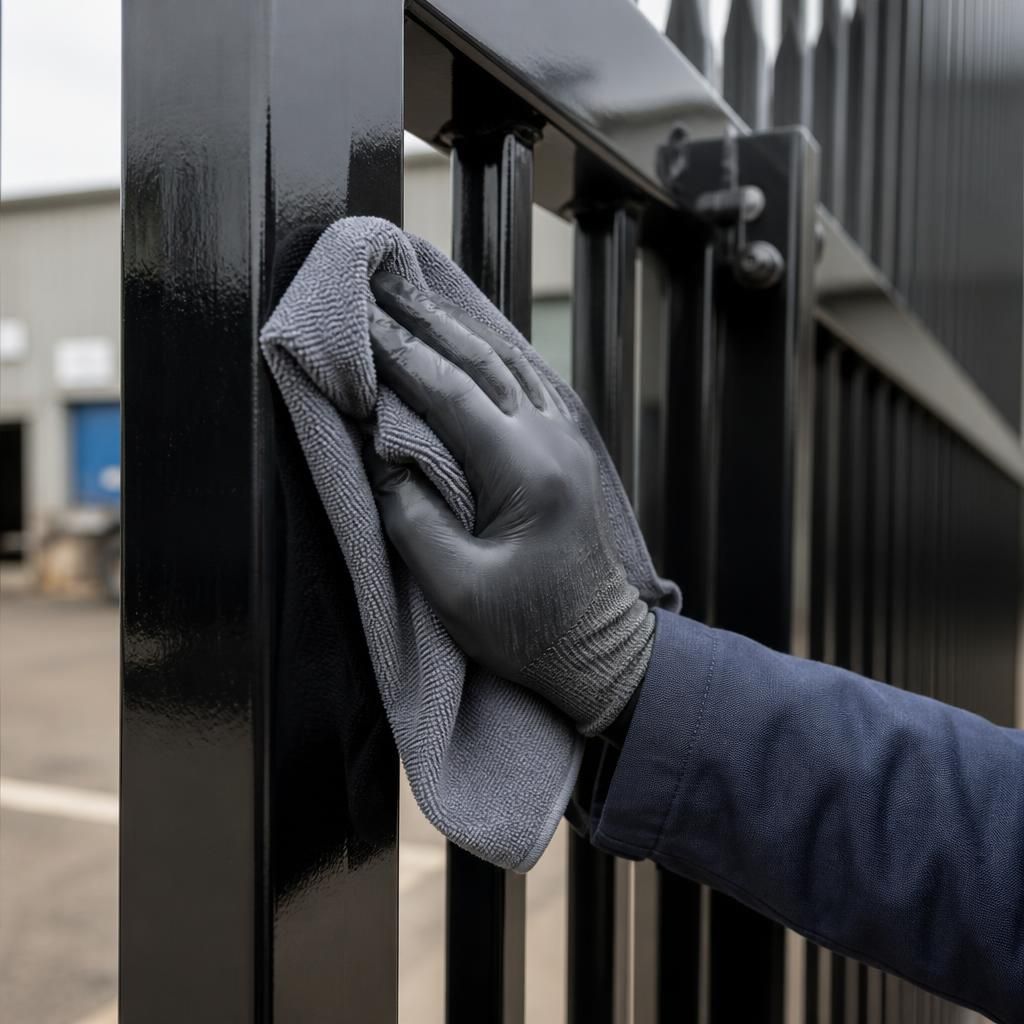
A cured shiny black powder coat can reduce the environmental impact of routine maintenance because its continuous, sealed surface is generally easier to clean than a porous or flaking finish. Where the coating is correctly specified for the service conditions, dirt and light surface contamination can often be removed with mild cleaning methods rather than aggressive solvents, abrasive preparation or repeated recoating.
This benefit depends on the component’s environment and the cleaning regime used. Harsh chemicals, unsuitable abrasives and excessive pressure can damage the finish, creating additional repair work and waste. Following a maintenance method suited to the powder chemistry helps preserve the coating while limiting unnecessary use of cleaning products and replacement materials.
Discuss the environmental considerations for your shiny black powder coat finish
Discuss your component’s exposure conditions, production requirements and environmental priorities with a powder-coating specialist before selecting a shiny black finish. This helps ensure the coating specification and application process are appropriate for its intended use.