

How do clear and black powder coatings improve the lifespan of metal components?
Clear and black powder coatings extend the lifespan of metal components by forming a tough, continuous barrier against corrosion, moisture, abrasion and weathering. Clear coatings preserve the underlying metal appearance, while black coatings add a durable, opaque finish, helping components withstand demanding industrial use with less exposure to damaging conditions.
Clear and black powder coatings improve the service life of metal components by combining sound surface preparation, strong adhesion and a correctly cured finish with protection suited to the component’s working environment. The coating specification matters as much as the colour: a finish that is compatible with the metal, applied at the correct thickness and fully cured is less likely to blister, flake or lose adhesion during service.
Surface preparation is the foundation of durability. Oil, grease, mill scale, rust, dust and previous coatings can prevent powder from bonding properly. Preparation may include degreasing, abrasive treatment and an appropriate chemical pre-treatment, depending on the substrate and the intended use. Removing contaminants gives the powder a clean surface to key to, while suitable pre-treatment helps the coating remain attached when the component is exposed to handling, temperature changes or industrial conditions.
The geometry of the component also affects its lifespan. Sharp edges, recesses, threaded sections, welds and areas where water or debris can collect require attention during preparation and application. A suitable powder system and controlled application help achieve consistent coverage across these features. Components should also be designed, where possible, to avoid untreated crevices and drainage problems, because coating cannot compensate for a design that continually traps moisture or contaminants.
Curing converts the applied powder into a finished coating. During the curing cycle, the powder melts, flows and chemically cross-links to form a hard, coherent film. Insufficient curing can leave the finish vulnerable to poor adhesion and premature damage, while excessive heat or an unsuitable cure schedule can affect appearance and performance. The correct process is determined by the powder specification, component material, thickness and mass, rather than by colour alone.
Clear and black finishes can serve different practical purposes:
- Clear powder coating allows more of the underlying metal, texture or prepared surface to remain visible. It is useful where the existing appearance is part of the design, but it also makes surface imperfections, staining and preparation marks easier to see. The substrate therefore needs to be suitable for a transparent finish.
- Black powder coating provides an opaque, consistent appearance that can help produce a uniform finish across fabricated parts or assemblies. It can also make minor variations in the underlying metal less visually apparent, although it does not remove the need for proper preparation or inspection.
Colour selection should not be treated as a substitute for choosing the correct powder chemistry. Components used indoors, outdoors, in high-traffic areas or near industrial contaminants may require different performance characteristics. Exposure to ultraviolet radiation, chemicals, heat, impact and repeated cleaning can all influence the most appropriate system. The specification should therefore consider the metal type, expected handling, installation environment and appearance requirements together.
Powder coating can extend the useful period between repairs by reducing the rate at which the metal surface is affected by its surroundings. However, the finish is not indestructible. Deep impact damage, cutting, welding, prolonged chemical exposure or abrasion can expose the substrate. Damage should be assessed and repaired using a method compatible with the original coating, particularly where the component has a protective function.
Routine inspection is most valuable at edges, fixings, joints, contact points and locations where dirt or water may accumulate. Look for lifting, cracking, blistering, unusual staining, exposed metal or changes in texture. Early attention can prevent a small defect from spreading beneath the surrounding finish. Cleaning should follow the coating supplier’s guidance and avoid unnecessarily aggressive chemicals or abrasive tools that could dull or wear the surface.
For manufacturers and fabricators, the most reliable approach is to define the service conditions before coating begins. The metal substrate, preparation method, powder type, colour, gloss level, application coverage and curing requirements should all be agreed as part of the specification. When these factors are controlled, clear and black powder-coated components are better equipped to retain their appearance, adhesion and functional performance throughout their intended service life.
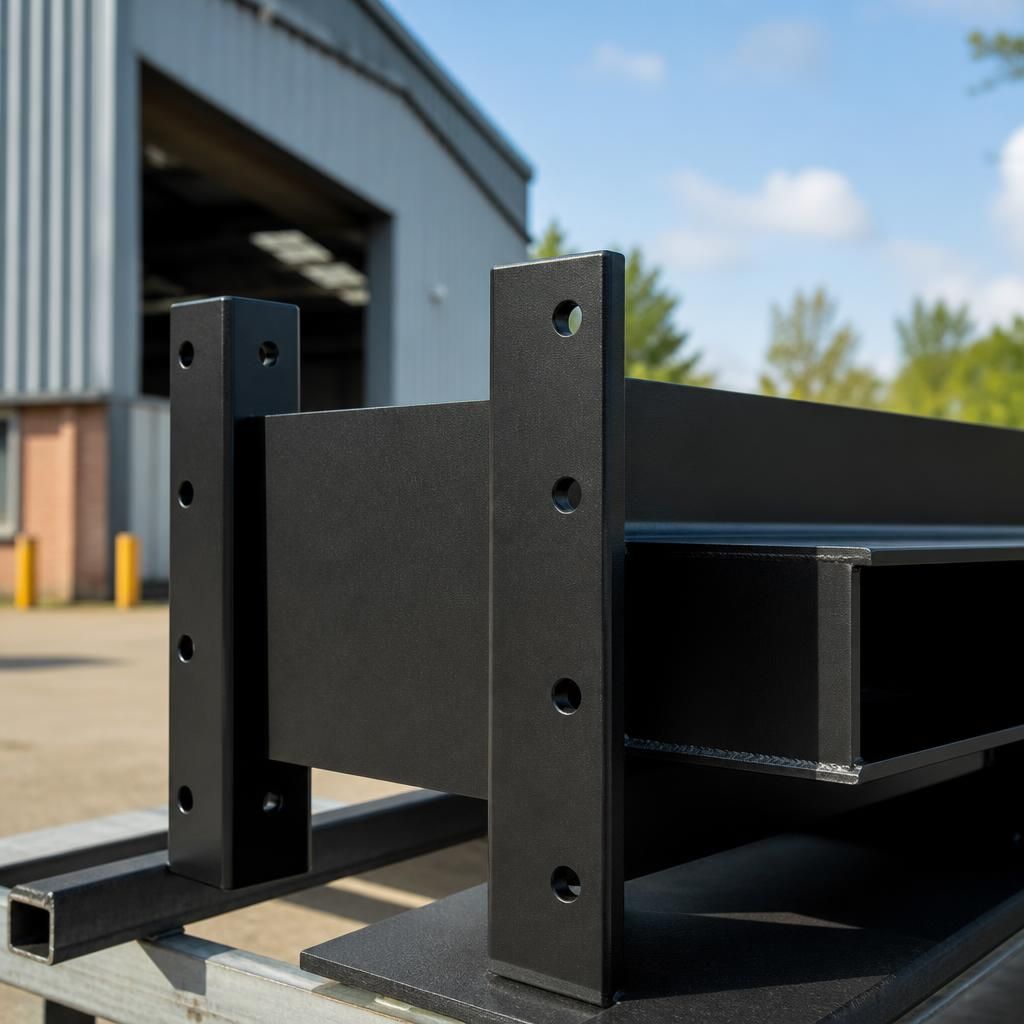
Colour can influence how a powder-coated component responds to heat, particularly outdoors. Black finishes generally absorb more solar radiation than lighter or clear finishes, which can raise the metal’s surface temperature in direct sunlight. Repeated heating and cooling causes the substrate and coating to expand and contract, so the powder system must be suitable for the component’s operating temperature and thermal cycling.
This is especially relevant for exposed panels, housings and components positioned near heat sources. When specifying a clear or black finish, consider the metal substrate, sunlight exposure, service temperature and the temperature range the component will experience. Selecting the coating system for these conditions helps reduce stress on the finish and supports longer-lasting adhesion and appearance.
Discuss Clear or Black Powder Coating for Your Components
Discuss your component’s substrate, operating conditions and finish requirements with Powder-coatings.co.uk to identify a suitable clear or black powder coating specification. Providing component drawings or sample parts can help clarify preparation, coverage and curing requirements before production.