

How does the black powder coating process ensure protection against corrosion for sheet metal?
Black powder coating protects sheet metal from rust by forming a continuous, cured polymer barrier that separates the steel from moisture, oxygen and contaminants. Thorough surface preparation and correct curing help the coating adhere securely, reducing pathways through which corrosion could begin.
Black powder coating protects sheet metal from corrosion by combining a chemically prepared surface with a tough, fused finish that limits the electrochemical reactions responsible for rust. The black colour comes from the coating formulation; the corrosion resistance depends on the complete coating system, including the substrate, pretreatment, powder film and cure.
Rust forms when steel, water and oxygen interact, with salts and industrial pollutants often accelerating the reaction. A correctly applied powder finish interrupts this process by keeping corrosive agents away from the metal. Unlike a liquid paint film that dries through solvent evaporation, powder particles melt and flow during curing to form a coherent polymer layer. This produces a sealed surface with no intentional solvent-release route through the finished film.
Surface preparation is important because oil, mill scale, oxidation and handling residue can create weak points beneath the finish. Cleaning removes contaminants, while a suitable chemical pretreatment can improve the surface’s resistance to corrosion and provide a more receptive base for the coating. If the sheet metal requires additional protection because of its environment or design, the specified system may also include a primer layer beneath the black topcoat.
Application controls affect how well the coating protects vulnerable areas. Powder is applied electrostatically so that charged particles are attracted to the earthed metal. The coating must reach the required areas consistently, including folds, returns and edges. Excessively thin areas may provide less protection, while poor application around sharp edges, holes or joints can create locations where corrosion starts sooner.
During curing, controlled heat causes the powder to flow, gel and cross-link. This develops the final hardness and chemical resistance of the film. Insufficient curing can leave the finish with weaker mechanical and chemical performance, whereas excessive heat or an unsuitable cure schedule can affect the coating and the substrate. For that reason, the cure should be matched to the powder specification and the actual metal thickness, rather than judged by appearance alone.
The design of the sheet-metal component also influences corrosion resistance. Crevices, overlapping joints and areas that retain water can expose a coating to prolonged moisture. Drainage, suitable joint design and the correct treatment of fabricated edges help the finish perform more consistently. Where parts are assembled after coating, drilling, cutting or abrasion should be addressed appropriately because exposed steel is no longer protected by the original film.
Black powder coating is not immune to damage. A deep scratch, impact mark or poorly protected cut edge can provide a route for moisture and oxygen to reach the substrate. In aggressive industrial or external conditions, airborne salt, chemicals and deposits can increase the risk. Regular inspection and removal of corrosive residues help identify local damage before it spreads beneath the surrounding coating.
Quality assessment should therefore consider more than colour and gloss. Relevant checks can include:
- the cleanliness and condition of the prepared sheet metal;
- coverage of edges, recesses and other difficult geometries;
- film thickness and visual uniformity;
- adhesion of the cured coating;
- evidence that the specified cure has been achieved; and
- the suitability of the chosen coating system for the intended environment.
For Midlands manufacturers and fabricators, the practical implication is that corrosion protection is determined by process control from preparation through inspection, not by the black finish alone. Providing accurate information about the metal type, component geometry, service environment and expected handling allows the coating system to be selected and applied for the level of protection the sheet-metal part requires.
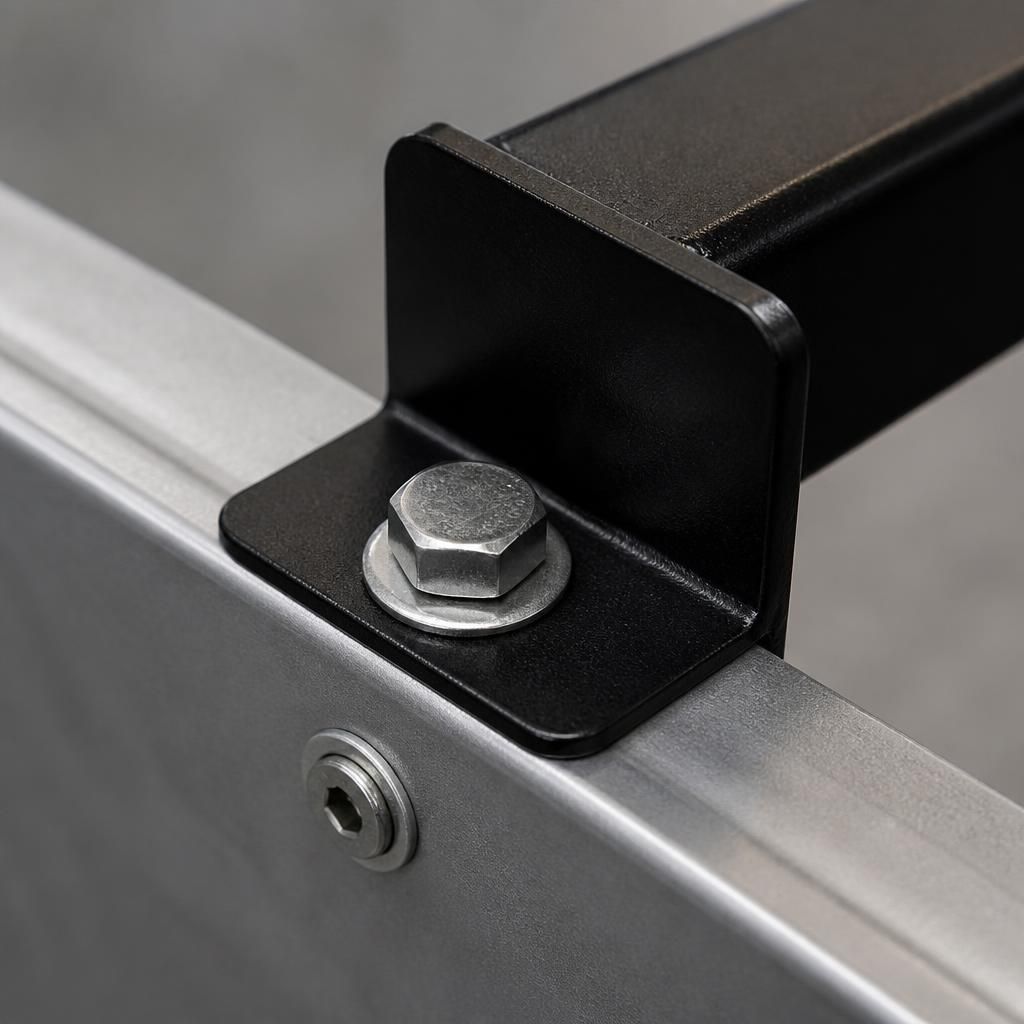
Black powder coating can also reduce the risk of galvanic corrosion by electrically isolating the sheet metal from dissimilar metals used in an assembly. This matters where coated steel is joined to aluminium, stainless steel or another conductive material in the presence of moisture. The coating helps interrupt the electrical path needed for galvanic attack, provided the film remains continuous at the contact area.
For this reason, corrosion protection should be considered alongside the choice of fixings, washers and joint materials. Uncoated contact points, drilled holes and fastener interfaces may still require a compatible treatment or seal. A suitable assembly design prevents moisture from becoming trapped between dissimilar metals and avoids relying on the powder film alone at areas where it may be compressed or damaged.
Ask About Corrosion Protection for Sheet Metal
Ask about the most suitable corrosion-protection system for your sheet-metal components, taking account of the substrate, design and working environment. Provide the component specifications and intended use so the coating requirements can be assessed accurately.