

What types of metal surfaces are most compatible with zinc epoxy primer?
Zinc epoxy primer is most compatible with prepared ferrous metals, particularly carbon steel, mild steel and cast iron, where its zinc content supports corrosion protection. It may also be used on galvanised steel or aluminium, but these non-ferrous surfaces require careful cleaning, profiling and confirmation that the specific primer system is suitable; stainless steel usually needs a specialist treatment.
Zinc epoxy primer is most compatible with clean, mechanically sound ferrous metal because the coating is designed to bond to a prepared iron-based surface and use zinc pigment to support corrosion protection. Compatibility depends not only on the metal itself, but also on its condition, surface profile, contamination, temperature and the requirements of the complete coating system.
Carbon and structural steels: These substrates are generally the most suitable when mill scale, rust, oil, salts and other contaminants have been removed. Abrasive blasting is commonly used to create a consistent key for adhesion. Any sharp edges, weld spatter, laminations or damaged areas should be addressed before priming, as a primer cannot compensate for poor substrate preparation.
Cast iron and irregular iron components: Zinc epoxy can be appropriate for cast components, but their porous surfaces, recessed sections and rough texture require particular attention. Abrasive cleaning must reach defects and enclosed areas without leaving embedded abrasive or loose residue. Castings should also be thoroughly dry, as retained moisture can interfere with adhesion and promote corrosion beneath the coating.
Galvanised steel: This is a conditional application rather than an automatic one. The surface may contain passivation treatments, white corrosion products, grease or loosely bonded deposits, all of which can reduce adhesion. Cleaning, suitable profiling and removal of unstable surface material are essential. The selected primer must specifically be approved for galvanised surfaces; a product intended only for blast-cleaned steel may not perform reliably on zinc-coated steel.
Aluminium: Aluminium can accept certain epoxy primer systems, but a standard zinc-rich formulation should not be assumed to be suitable. Its oxide layer reforms quickly after preparation, so cleaning and controlled abrasion need to be followed by priming within the system’s permitted interval. Product compatibility, the required film thickness and any risk of galvanic interaction with adjoining metals should be checked before work begins.
Stainless steel and other non-ferrous metals: These are usually more demanding substrates because their surface chemistry and corrosion behaviour differ from ordinary steel. Stainless steel can require specialist degreasing, abrasion or chemical preparation, while copper, brass and similar alloys may need a primer formulated specifically for non-ferrous metal. Zinc epoxy should only be used where the technical data confirms that the substrate and intended service conditions are compatible.
Before selecting the primer, assess the following points:
- Identify the metal, including whether it is plated, galvanised, anodised or part of a mixed-metal assembly.
- Check whether the surface has existing paint, powder coating, oil, weld residue, salts, rust or treatment chemicals.
- Confirm the preparation method and required surface profile for the chosen product.
- Consider immersion, condensation, chemicals, abrasion, outdoor exposure and operating temperature.
- Check the compatibility of the primer with the specified intermediate and topcoat.
- Carry out a small adhesion or system trial where the substrate, previous coating or service environment is uncertain.
The most reliable results come from treating zinc epoxy as one part of a defined coating specification rather than selecting it solely by metal name. A coating specialist can review the substrate condition, preparation standard and service environment before confirming whether zinc epoxy is appropriate or whether a different primer system is needed.
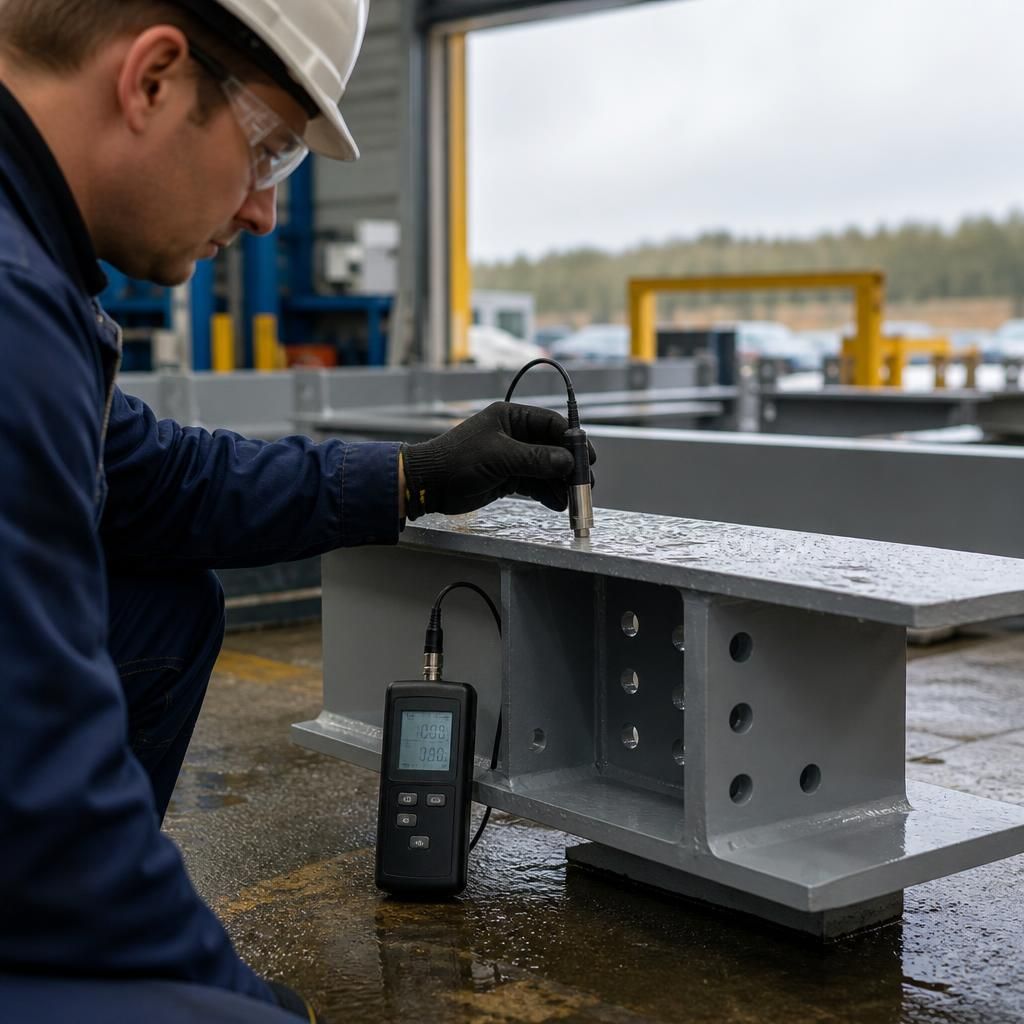
Even a highly compatible metal surface can produce a poor zinc epoxy finish if moisture forms during application. Steel components should be above the surrounding air’s dew point, with no condensation present in recesses, welds or joints. Surface temperature, humidity and ventilation therefore need to be checked alongside the metal type, particularly for large or cold components moved between different environments.
This is especially important for carbon steel, mild steel and cast iron, where trapped moisture can remain beneath the primer and encourage corrosion at the coating interface. Keeping the prepared substrate dry until the primer has been applied helps preserve adhesion and allows the zinc epoxy system to perform as specified.
Discuss Zinc Epoxy Primer Compatibility for Your Metal Surface
Discuss your metal substrate, existing finish and intended service conditions with a coating specialist before selecting a zinc epoxy primer. This helps confirm the preparation method and complete coating system required for your components.