

What environmental considerations must be taken into account when using zinc epoxy primers in industrial settings?
Using zinc epoxy primers in industrial settings requires control of volatile organic compound (VOC) emissions, zinc-containing waste, overspray and solvent residues. Choose a compliant formulation, apply it in suitable controlled conditions, prevent contamination of soil and drainage systems, and manage unused material, contaminated equipment and removed coatings through approved waste procedures.
Environmental assessment of zinc epoxy primers should consider the whole coating lifecycle: the formulation, preparation of the metal, application method, curing, service life, maintenance and eventual removal. The main issues are the potential impact of zinc and other ingredients, energy use during application and curing, exposure risks, and the ability to control emissions and residues within the workplace.
Assess the formulation before work begins. The product’s safety data sheet and technical data sheet should be reviewed for its zinc content, solvent type, hazardous classifications, recommended application conditions and disposal requirements. A lower-emission or higher-solids formulation may be suitable in some settings, but it must still provide the corrosion protection, adhesion and film thickness required for the component. Changing products solely on an environmental basis can be counterproductive if the replacement fails prematurely and requires additional preparation and recoating.
Consider zinc’s environmental behaviour. Zinc is an effective sacrificial pigment, but uncontrolled releases of zinc-containing material can affect soil and aquatic environments. Fine zinc dust, sanding debris and dried coating fragments should therefore be prevented from entering surface water, drainage channels or unprotected ground. The relevant hazard classification depends on the product and concentration, so controls should be based on the current safety data sheet rather than on the word “zinc” alone.
Control dust during preparation and repair. Abrasive blasting, mechanical preparation and later removal of damaged coating can generate dust containing paint residues, corrosion products and substrate material. Use suitable extraction, containment and cleaning procedures for the chosen preparation method. Dry sweeping can redistribute fine particles, while uncontrolled compressed air can spread them beyond the work area. Repaired sections should be assessed for compatibility with the existing primer and topcoat so that unnecessary removal of sound coating is avoided.
Manage energy and resource use. Environmental performance is affected by the amount of material applied, the number of coats, curing requirements and the efficiency of the application process. Correct surface preparation and accurate film-thickness control help avoid rework. Where the specification permits, the curing schedule should be selected to achieve the required properties without unnecessary heating or extended equipment operation. For larger production runs, planned batching can also reduce repeated cleaning and equipment set-up, provided that coating quality remains consistent.
Reduce overspray and transfer losses through process control. Application equipment should be selected for the component geometry and the required finish. Correct spray settings, suitable nozzle selection and controlled application distance can improve transfer efficiency. Masking or temporary protection may be appropriate for areas that must remain uncoated, reducing later removal work. These measures are environmental controls as well as quality controls because they reduce the quantity of unused coating generated during production.
Protect workers without confusing occupational and environmental controls. Respiratory, skin and eye protection should be selected from the risk assessment and product information. Local exhaust ventilation and enclosed or segregated application areas can help control exposure and keep contaminants within the intended process zone. Any ventilation system that discharges extracted air should be designed and maintained in accordance with applicable requirements; simply moving contaminated air outdoors does not remove the environmental responsibility.
Plan storage and transport. Containers should be kept closed, clearly identified and stored in conditions recommended by the manufacturer. Stock rotation reduces the likelihood of materials becoming unusable before application. Containers should be protected from damage during internal handling and external transport, with spill-response materials available where appropriate. Packaging that has held hazardous coating residues should not automatically be treated as ordinary recyclable waste.
Review the coating’s service-life contribution. A primer that remains compatible with the specified coating system can help protect steel or other suitable metals for longer, reducing the frequency of stripping, preparation, replacement and associated transport. This is not a reason to over-specify zinc epoxy primer: the system should match the exposure category, substrate, mechanical demands and maintenance plan. Excessive coating thickness or an unsuitable system can create defects, increase material use and make future removal more difficult.
Include maintenance and end-of-life in the assessment. Inspection records should identify local breakdown early, allowing targeted repair rather than wholesale removal where technically acceptable. When components are refurbished or decommissioned, removed primer, abrasive media and contaminated cleaning materials should be separated and classified according to their actual composition. Recycling or reuse of the underlying metal should be considered only after the coating residues have been managed safely and the receiving process accepts the material.
Use documented controls and evidence. An environmental review should record the selected product, relevant safety information, application method, preparation process, ventilation arrangements, incident controls and waste route. Contractors and coating specialists should understand who is responsible for collection, containment, classification and handover of residues. This documented approach makes it easier to demonstrate that the zinc epoxy system has been selected for both technical suitability and responsible environmental management.
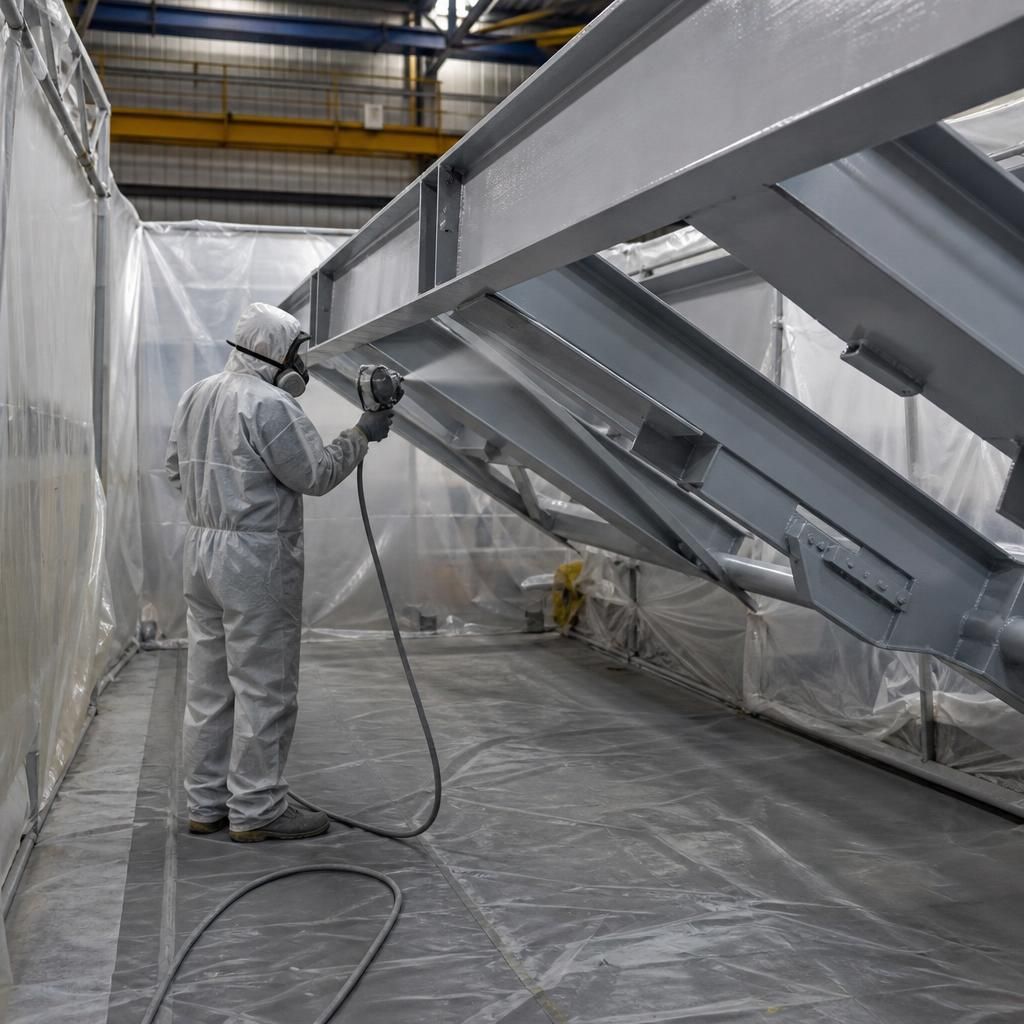
Application conditions are an environmental consideration because poor curing can lead to premature repair, additional material use and repeated cleaning. Before work starts, check the zinc epoxy primer manufacturer’s limits for substrate temperature, humidity, dew point, ventilation and recoat intervals. If those conditions cannot be maintained, postponing the work or using suitable temporary protection may prevent a failed coating from becoming an avoidable waste stream.
Particular care is needed when coating large components or carrying out repairs away from a fixed application area. Temporary sheeting, ground protection and controlled collection points can help keep uncured primer, sanding residue and cleaning materials within the work zone. Once the task is complete, inspect the area for settled dust, overspray and damaged containers before removing the controls, and route collected residues according to their classification.
Discuss Your Zinc Epoxy Primer Environmental Requirements
Discuss your zinc epoxy primer environmental requirements with our coating specialists, including the component, exposure conditions and proposed coating process. We can help identify the information needed to assess a suitable, responsibly managed coating system.