

How does zinc epoxy primer contribute to long-term cost savings in industrial applications?
Zinc epoxy primer can reduce long-term industrial costs by providing corrosion protection that helps limit metal deterioration, repair requirements and premature component replacement. By extending the usable life of coated parts and supporting a durable finish system, it can lower whole-life maintenance expenditure when correctly specified and applied.
Zinc epoxy primer contributes to long-term cost savings by improving the service performance of steel within a properly designed coating system, allowing expenditure to be planned around specification, application and inspection rather than frequent remedial work. Its financial value is therefore assessed through whole-life cost, not simply the purchase price of the primer.
1. Lower whole-life intervention costs
A zinc epoxy primer provides a prepared, adherent foundation for subsequent protective coats. When the system is suitable for the exposure conditions, it helps reduce the frequency and extent of activities such as localised preparation, recoating, dismantling and access provision. This is particularly relevant for fabricated steelwork, machinery components, plant enclosures and infrastructure where bringing equipment out of service can cost more than the coating materials themselves.
The saving may arise from avoiding several indirect expenses at the same time. These can include labour for removing failed coating, cleaning and preparing the substrate, arranging lifting or access equipment, transporting parts and managing production interruptions. A coating system that remains fit for purpose for longer can reduce the number of times these activities need to be repeated.
2. Fewer unplanned interruptions
Corrosion-related defects are not always discovered during a planned maintenance period. If deterioration affects a structural component, enclosure, bracket or machine part, the resulting work may require an unplanned shutdown or urgent access arrangement. Zinc epoxy primer cannot remove the need for inspection or maintenance, but a correctly specified system can support more predictable asset management by providing a robust base for the complete coating build.
Predictability has a financial benefit because coating work can be coordinated with scheduled servicing, fabrication programmes or other planned outages. This helps avoid paying for separate mobilisation, expedited handling or replacement parts at short notice.
3. Better use of replacement budgets
Coating can be a cost-effective way to protect a sound metal component that would otherwise be replaced because of surface corrosion. The decision should be based on the condition, function and remaining design life of the part. Where the substrate retains adequate strength and dimensional accuracy, applying a suitable coating system may preserve the component in service without the material, machining and installation costs associated with manufacturing a new one.
This approach is not appropriate for metal that has suffered unacceptable section loss, cracking or other structural damage. A coating conceals neither the need for engineering assessment nor the need to replace an unsafe component. Its cost-saving contribution depends on being used before deterioration has reached that stage.
4. Improved coating-system efficiency
The primer is one layer within a wider system, so its economic performance depends on the compatibility and performance of the coats applied over it. Correct surface preparation, suitable zinc content, controlled film thickness, adequate curing and an appropriate topcoat all affect how effectively the system performs. If these requirements are met, the primer can provide a stable base that reduces the risk of premature defects such as poor adhesion, underfilm corrosion and localised breakdown.
Application quality also influences material usage. Excessive thickness, uneven coverage, overspray, contamination or rework can increase consumption and labour costs. Conversely, applying the specified system consistently helps the coating contractor and the client control material use, inspection time and rectification work.
5. Reduced costs at difficult-to-access locations
Parts installed at height, over process areas, in exposed locations or within restricted plant spaces often cost more to maintain than accessible components. Access equipment, isolation procedures and site controls can become a substantial part of the work. Extending the interval between major coating interventions can therefore have a greater financial effect on these assets than on small, easily removed parts.
For removable components, factory or workshop application can also offer cost advantages. Coating in a controlled environment can make preparation, masking, film-thickness checks and curing easier to manage before the part reaches site. This can reduce the amount of disruptive coating work required during installation, although transport, handling and the component’s dimensions must be considered.
6. More reliable budgeting and asset planning
A coating specification that records the substrate condition, preparation standard, primer type, topcoat, film thickness and exposure category gives future maintenance teams a usable reference. Inspection findings can then be compared with the original system rather than relying on assumptions about what was applied.
This supports condition-based planning. Minor defects can be assessed and treated as part of planned work, while areas requiring closer investigation can be prioritised. The result is better control of maintenance budgets and less reliance on blanket replacement or emergency remedial work.
Important limitations when calculating savings
- The primer must be selected for the metal substrate, service environment and required coating system.
- Surface preparation must remove contaminants, corrosion products and unsuitable existing coatings to the specified standard.
- The zinc epoxy primer must be applied at the required film thickness and allowed to cure under suitable conditions.
- The topcoat must be chemically and mechanically compatible with the primer and appropriate for the expected exposure.
- Edges, welds, apertures, joints and damaged areas need particular attention because they can become early points of coating failure.
- Inspection and planned touch-up remain necessary; a primer does not make an asset maintenance-free.
In practical terms, the strongest cost case comes from comparing the complete lifecycle: preparation, coating, access, downtime, inspections, repairs and eventual replacement. Zinc epoxy primer may involve a higher initial specification than a basic coating approach, but its contribution to long-term savings is realised when the complete system is correctly designed, applied and maintained for the operating conditions.
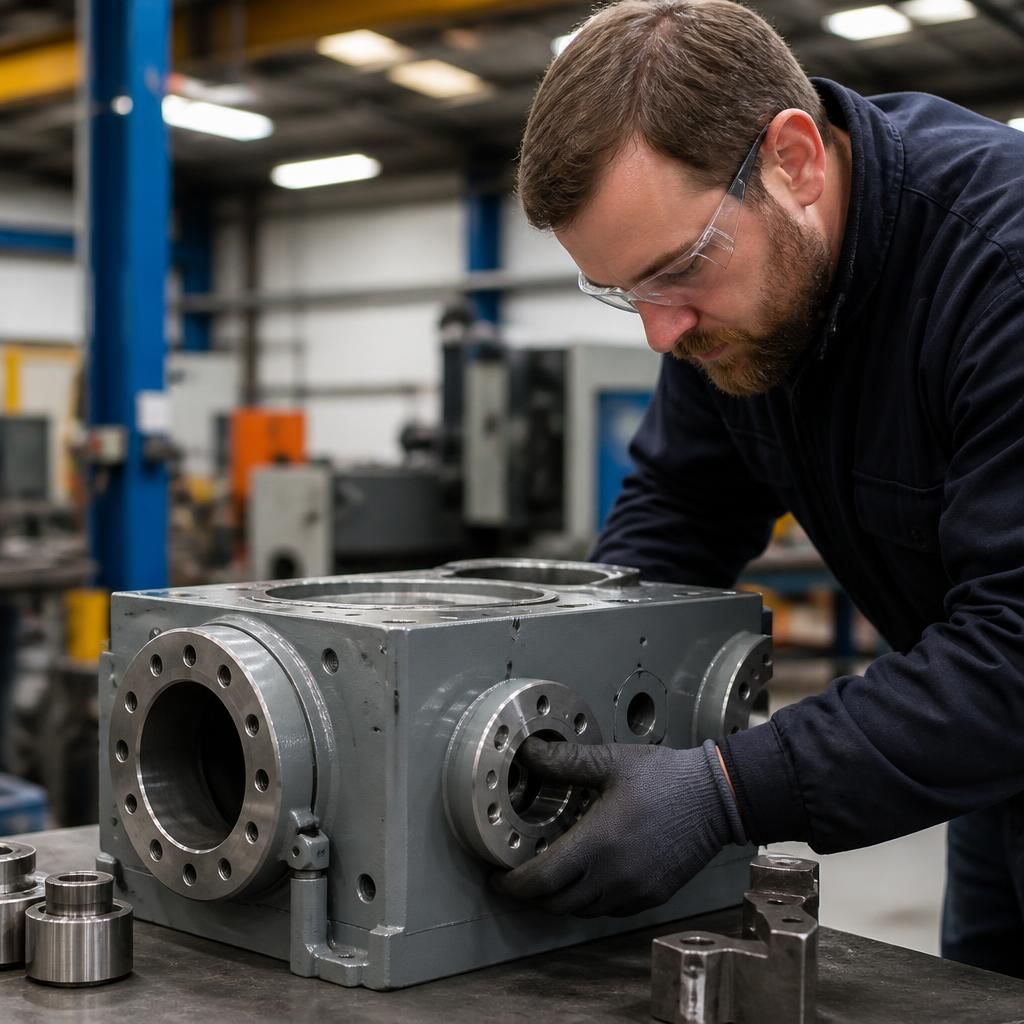
Zinc epoxy primer can reduce costs by helping preserve the dimensions and usability of metal components, not merely their surface appearance. Corrosion around mating faces, apertures, threaded areas and mounting points can make parts difficult to dismantle, misalign assemblies or prevent components from being refitted accurately. Protecting the appropriate exposed surfaces helps limit these secondary problems and the associated labour, machining or replacement requirements.
Cost control depends on applying the system selectively. Threads, bearing seats, electrical contact points and other critical interfaces may require masking or a coating specification suited to their function. When these details are addressed during preparation and application, the coating supports continued assembly compatibility while reducing the risk that corrosion will create wider maintenance issues.
Discuss Your Zinc Epoxy Primer Requirements
Discuss your zinc epoxy primer requirements with our team to assess the coating system and application approach suited to your metal components. Share details of the parts, operating environment and project requirements to support an informed specification.