

How does powder coating affect the lifespan of galvanised metals?
Powder coating can extend the lifespan of galvanised metals by adding a durable barrier over the zinc layer, reducing exposure to moisture, chemicals and abrasion. Together, galvanisation and powder coating provide both sacrificial corrosion protection and a protective surface finish, provided the metal is correctly prepared before coating.
Powder coating can lengthen the functional service life of a galvanised metal component by slowing the deterioration of both its surface finish and its zinc protection. The benefit is greatest when the galvanised steel is suitable for coating, the surface is prepared correctly and the powder system is selected for the component’s exposure conditions.
Galvanisation protects steel through the gradual consumption of zinc. Over time, the zinc layer can become thinner, particularly where the component is exposed to persistent wetting, salts, industrial pollutants or repeated handling. A sound powder-coated finish reduces the amount of environmental exposure reaching the zinc, so the zinc layer is not consumed as quickly. This can preserve the underlying steel for longer and help the component remain fit for its intended use.
The effect on lifespan is not limited to corrosion control. Powder coating can also reduce deterioration caused by:
- surface scuffing and handling during manufacture, installation or maintenance;
- contact with suitable chemicals, oils or cleaning agents;
- weathering and loss of appearance on externally used components;
- repeated minor impacts that would otherwise damage an uncoated surface; and
- the accumulation of dirt and contaminants that can make inspection more difficult.
In a well-designed duplex system, the powder coating acts as the visible, replaceable finish while the galvanised layer remains the principal reserve of metallic protection. If the coating is damaged locally, the zinc can continue to protect exposed steel around the defect, subject to the size of the damage and the surrounding conditions. This gives the combined system more tolerance than relying on a decorative coating alone, although damage should still be repaired rather than ignored.
Correct preparation has a direct bearing on service life. Galvanised surfaces may contain passivation residues, oils, handling contamination, zinc salts or loosely bonded material. If these are not dealt with, the powder film may lose adhesion, blister or detach prematurely. The condition of welds, edges, drilled holes and fabricated joints also matters because these areas can receive less consistent coverage or retain contaminants. Preparation should therefore be assessed according to the galvanising condition and the component’s proposed environment, rather than treated as an identical process for every job.
Powder coating does not reverse corrosion that has already reduced the steel or repair a poorly bonded galvanised layer. Applying a finish over unstable material can conceal deterioration while allowing failure to continue underneath. Components should be inspected for damage, sharp edges, weld contamination, trapped moisture and areas of existing corrosion before coating. Where the zinc surface is heavily weathered or contaminated, additional treatment may be necessary to produce a suitable key and a stable coating base.
The eventual lifespan also depends on the service environment. Indoor components in relatively clean, dry conditions generally place different demands on the finish from items exposed outdoors, near roads, in coastal locations, around industrial emissions or where condensation is frequent. Temperature changes, ultraviolet exposure, abrasion and contact with chemicals can each influence the powder coating, while crevices and water-trapping details can accelerate local corrosion. Design features that promote drainage and allow inspection help the galvanised and powder-coated system perform more consistently.
Maintenance remains relevant even when a component has both finishes. Periodic inspection should look for chips, cracking, blistering, lifting at edges, rust staining and areas where the coating has been worn through. Cleaning should use methods and substances compatible with the powder finish. Prompt attention to local damage limits the area exposed to the environment and helps prevent a small coating defect from becoming a wider failure.
For industrial parts, the practical conclusion is that powder coating can extend the useful life of galvanised metal, but it is not an automatic or indefinite extension. The result depends on the galvanising condition, preparation, coating specification, component design, exposure and maintenance regime. These factors should be reviewed together when deciding whether a duplex finish is appropriate for a particular batch or fabricated assembly.
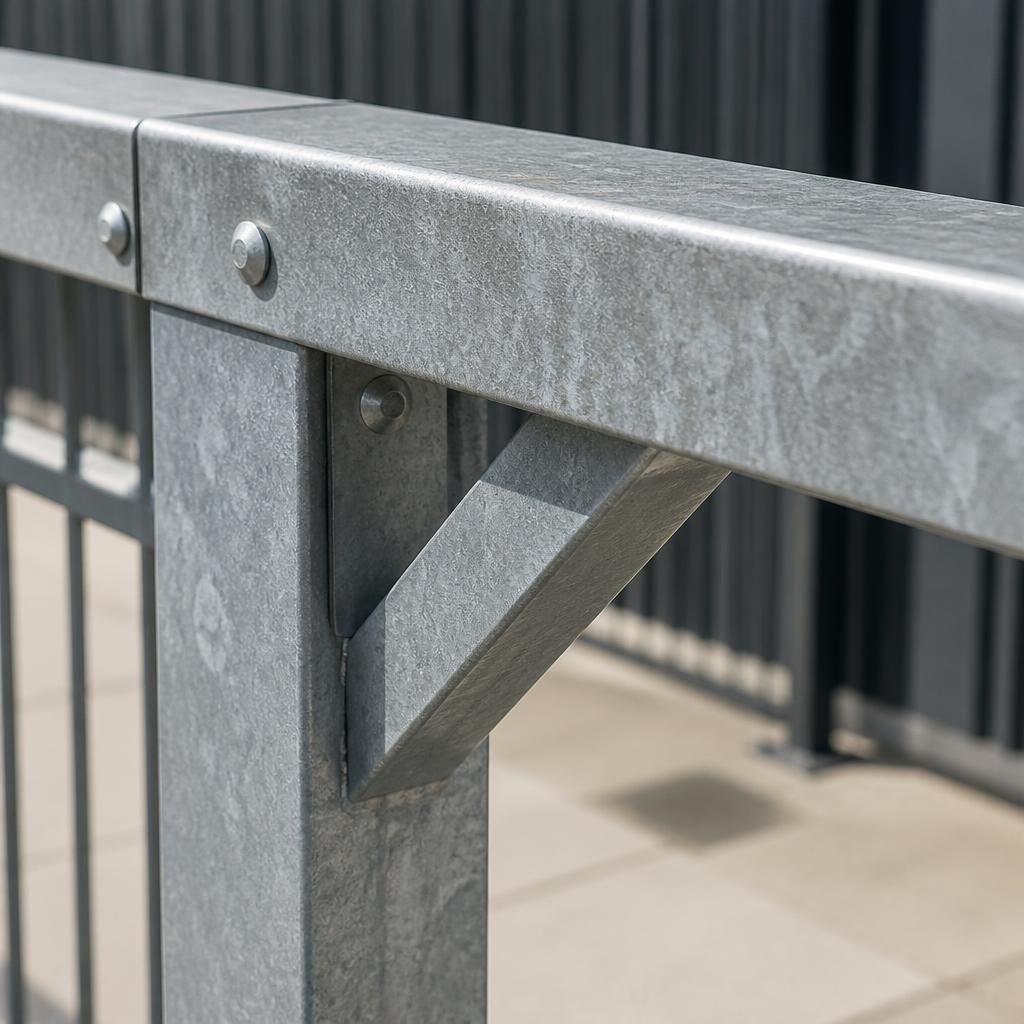
Powder coating can extend the functional lifespan of galvanised metal even when the finish begins to show cosmetic ageing. Fading, loss of gloss or light surface chalking may indicate ultraviolet weathering of the powder film rather than failure of the zinc protection beneath it. These conditions should be assessed separately from corrosion, because appearance alone does not confirm that the steel has lost its protective system.
The more important service-life indicator is whether the coating remains continuous and securely bonded, particularly at edges, joints and handling points. Where the film has locally failed, the condition of the exposed zinc and the surrounding metal should be examined before deciding whether repair, recoating or replacement is appropriate. This distinction helps prevent sound galvanised components being discarded solely because their visible finish has aged.
Discuss Your Galvanised Metal Coating Requirements
If you are assessing whether powder coating is suitable for a galvanised metal component, discuss its material condition, design and intended environment with our coating team. We can help identify the preparation and coating considerations for your project.