

What materials can be powder coated to enhance corrosion resistance?
Powder coating is suitable for many conductive metal substrates, including steel, aluminium, galvanised steel and certain specialist metals. The correct coating system depends on the metal’s surface condition, heat tolerance, intended environment and required corrosion protection.
Powder coating is primarily used on electrically conductive metal components, including ferrous metals, non-ferrous metals and selected zinc-coated substrates. The material itself is only one part of the assessment: surface preparation, curing temperature, component design and the intended corrosive environment all determine whether the finished coating will perform effectively.
Commonly suitable metal substrates include:
- Carbon and mild steel: widely used for fabricated frames, brackets, enclosures, guards, panels and machinery parts. These substrates normally require thorough removal of oil, mill scale, rust and other contaminants before coating.
- Cast iron: suitable for items such as housings, covers and engineering components, provided the surface is cleaned carefully. Cast surfaces can contain porosity, embedded residues or casting sand that may affect adhesion and appearance.
- Stainless steel: can be coated where an additional colour, appearance or protective barrier is required. The surface usually needs specific preparation to remove passivation residues and provide a suitable key for the powder film.
- Zinc and zinc-coated components: these can be coated as part of a duplex protection system. Preparation must account for the existing zinc layer, and the coating specification should allow for gases released from the substrate during curing.
- Aluminium alloys: commonly powder coated for fabricated parts and architectural or industrial components. Different alloy compositions and surface conditions can affect pretreatment and final adhesion.
- Copper, brass and other specialist alloys: these may be coat-able where the component can tolerate the curing process and the surface is prepared using a compatible system. Their electrical and thermal characteristics, oxidation behaviour and potential for staining need to be considered before work begins.
Powder coating can also be applied to certain pre-treated or previously coated metal parts, but the existing finish must be assessed first. A sound, compatible coating may sometimes be retained as part of the preparation process; loose, degraded or chemically incompatible layers generally need to be removed. Contamination from cutting fluids, silicone, weld treatments or handling can cause defects even when the base material is suitable.
Material limitations are equally important. Conventional powder coating requires the component to withstand an oven-curing cycle, so rubber, untreated plastics and many composite materials are not suitable. Some specialist low-temperature powders and heat-sensitive substrates exist, but they require a separate technical assessment. Timber-based products may be coated only when they are specifically engineered and dried for the process; ordinary wood should not be treated as a direct equivalent to metal.
Component construction also affects suitability. Hollow sections need correctly positioned vent and drain holes, while enclosed cavities can retain moisture or release gases during curing. Threaded holes, close-fitting joints, bearing seats and masking areas may need protection from powder build-up. Dissimilar metals joined together can also create crevices or galvanic corrosion risks if moisture reaches the joint, so the coating specification should consider the complete assembly rather than an isolated part.
For corrosion control, the best material choice is therefore assessed alongside the required preparation and coating system. Important questions include whether the substrate is new, rusty, oily, galvanised or previously painted; whether the component will face indoor humidity, outdoor exposure, chemicals or salt contamination; and whether its size and geometry allow consistent cleaning, application and curing. A suitable powder finish can provide an effective barrier, but it cannot compensate for concealed corrosion, poor preparation, damaged edges or water trapped beneath the coating.
For batch work or large fabricated components, providing details of the substrate, dimensions, previous treatments, operating environment and any areas that must remain uncoated allows the coating process to be matched to the material. Where the substrate or existing finish is uncertain, a sample inspection or trial preparation can help identify adhesion, outgassing and appearance risks before full production.
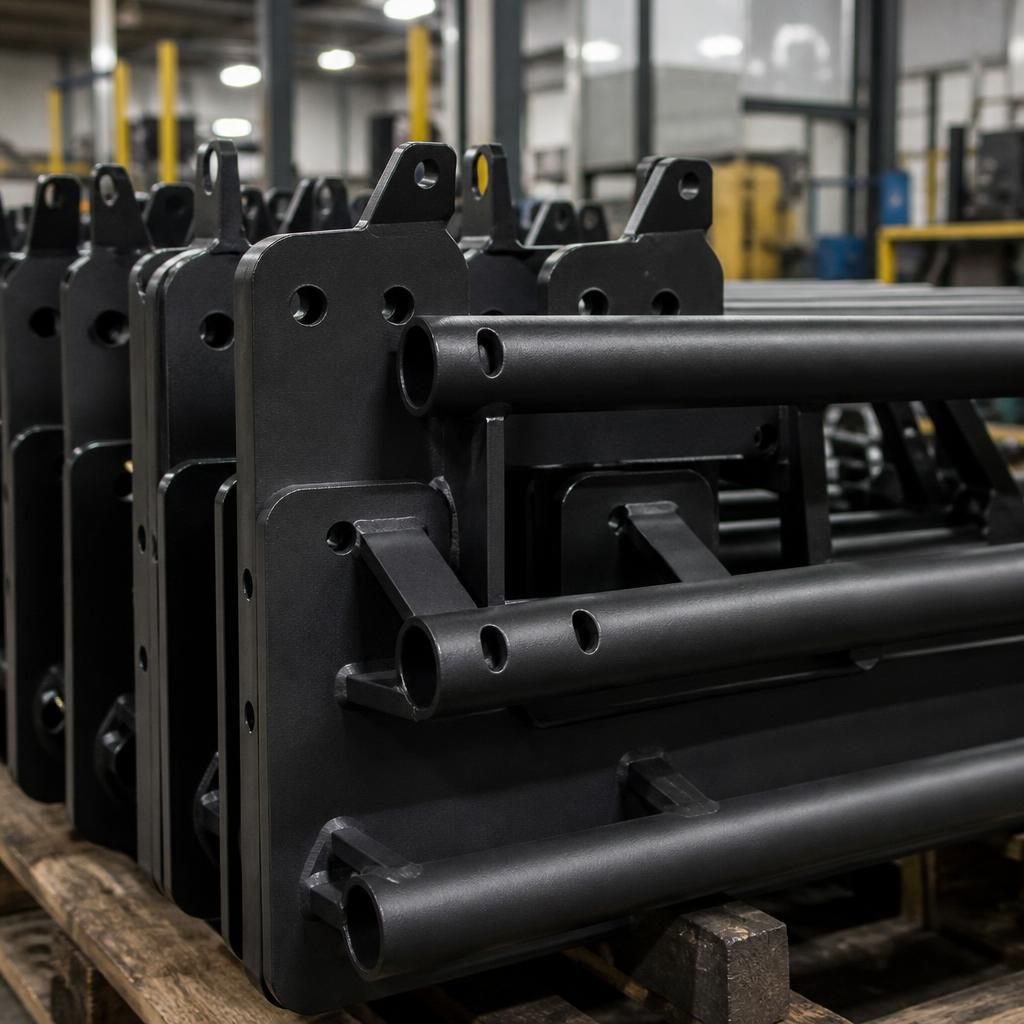
Specialist nylon powder coatings can be considered for metal components where corrosion protection needs to be combined with resistance to abrasion, impact or contact wear. They are used as an alternative to conventional decorative powder systems in applications where the coating may experience repeated handling or friction.
The suitability of a nylon system depends on the component’s substrate, geometry and service conditions. The metal still requires appropriate preparation, and the coating must be applied at a temperature compatible with the part. Areas such as sharp edges, joints and threaded features should be reviewed because the design can influence film coverage and the routes through which moisture may reach the underlying metal.