

What maintenance is required for powder-coated steel to ensure long-lasting corrosion protection?
Maintaining powder-coated steel involves regular inspection, gentle cleaning and prompt repair of chips, scratches or damaged areas where moisture and contaminants could reach the metal. Keep drainage points and joints clear, remove corrosive deposits without abrasive methods, and address coating damage before corrosion spreads beneath the finish.
Long-lasting corrosion protection depends on a planned maintenance regime that preserves the coating, limits exposure to corrosive conditions and identifies deterioration before the steel substrate is affected. Maintenance should be based on the component’s environment, design, use and coating specification rather than a fixed timetable applied to every installation.
Set an inspection regime appropriate to the exposure. Steel in sheltered indoor conditions generally presents different maintenance needs from steel exposed to marine air, road salt, industrial emissions, standing water or persistent condensation. Include accessible surfaces, edges, welds, fasteners, folded sections and areas behind fittings in the inspection scope. Look for:
- blistering, bubbling or lifting of the coating;
- fine cracking, flaking or loss of adhesion;
- rust staining around edges, fixings and joints;
- filiform corrosion, which can appear as thread-like tracks beneath the finish;
- chalking, fading or loss of gloss that may indicate weathering; and
- water traps, blocked outlets or deposits that keep the surface damp.
Record the location and type of any change, together with the surrounding exposure conditions. Photographs and inspection notes make it easier to distinguish normal surface weathering from progressive coating failure and help determine whether local treatment or wider refurbishment is required.
Use cleaning methods that suit the coating and the contaminant. Dust, industrial fallout, salt, grease and biological deposits can retain moisture or create a chemically aggressive surface. Remove them using a clean water-based process and a detergent compatible with the coating manufacturer’s guidance. Rinse thoroughly so that detergent and dissolved salts are not left behind, then allow the component to dry fully. Avoid abrasive pads, wire brushes, highly acidic or alkaline products, and aggressive solvents unless the coating specification expressly permits them. These methods can roughen, soften or chemically attack the finish.
Particular care is needed around seams, folded metal, fixings and contact points where residue can accumulate. Do not direct high-pressure water into bearings, seals, electrical fittings or concealed cavities. If contamination is oily, chemically active or from an identifiable industrial process, establish its composition before selecting a cleaning product; an unsuitable cleaner can damage the coating even when the steel itself is not yet corroding.
Control the conditions that cause recurring deterioration. Maintenance should not only treat visible symptoms. Investigate repeated moisture retention, poor ventilation, leaking connections, damaged sealants, incompatible fasteners and contact with treated timber, chemicals or dissimilar metals. Where the design permits, improve drainage and ventilation, isolate incompatible materials and renew failed seals using products suitable for the coating and the service environment. In exposed installations, check that nearby processes are not depositing salt, acids, alkalis or abrasive dust onto the steel.
Damage should be assessed according to its depth and extent. A small defect may be suitable for a compatible repair system after the affected area has been cleaned, dried and prepared to remove loose coating and corrosion. The repair material must be compatible with the existing powder coating and suitable for the expected environment; colour and gloss matching should also be considered where appearance matters. Touch-up products are not automatically equivalent to the original factory-applied coating, particularly in high-risk conditions.
Where corrosion has spread beneath the finish, adhesion has failed across a larger area or the steel has been exposed at multiple points, local touch-up may conceal rather than resolve the problem. The affected coating may need to be removed, the steel assessed and the surface prepared before a complete recoating system is specified. Preparation can include removal of corrosion, treatment of contamination and verification that the substrate is suitable for the proposed repair. For critical components, obtain an assessment from a qualified coating specialist rather than applying an unverified product.
Keep maintenance records with the asset or project documentation. Note the coating type where known, the environment, inspection findings, cleaning products used, repairs completed and any changes in service conditions. This information supports consistent future decisions and helps identify whether deterioration is caused by normal weathering, mechanical damage, contamination or an unsuitable original specification. For B2B assets with repeat batches or multiple installations, a documented maintenance standard also helps ensure that fabricators, site teams and contractors follow the same process.
When maintenance reveals recurring corrosion despite appropriate care, review the original coating specification as well as the maintenance method. The issue may involve inadequate substrate preparation, insufficient film build, untreated edges, unsuitable powder chemistry or an environmental classification that was too low for the application. Correcting the underlying specification is often more effective than repeatedly repairing isolated defects.
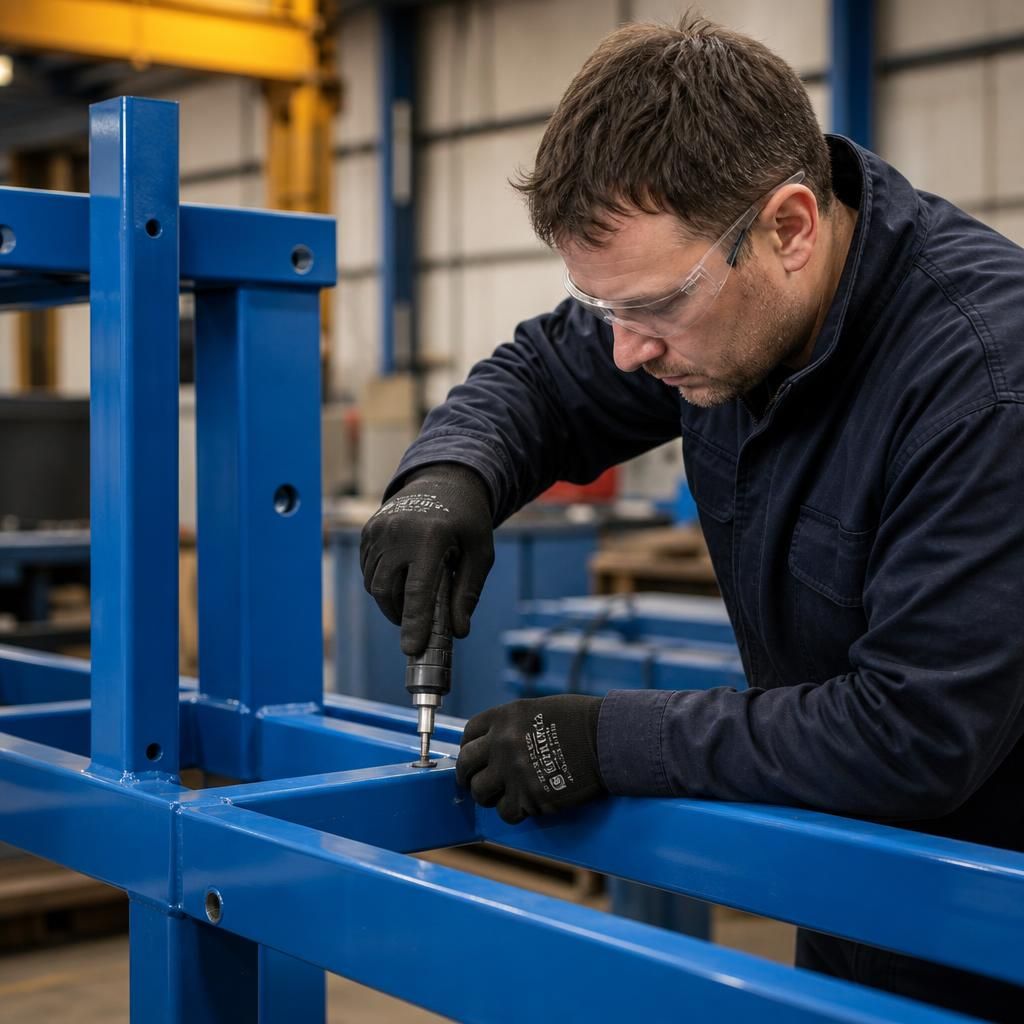
Protecting powder-coated steel after installation includes controlling how it is handled, altered and assembled. Cutting, drilling, welding or grinding through the coating exposes the steel substrate and creates points where corrosion can begin unless the affected areas are properly prepared and protected.
- Use padded supports and suitable lifting equipment to prevent impact damage during transport or installation.
- Do not drag coated components across work surfaces or stack them where pressure and trapped moisture can mark the finish.
- Complete fabrication work before coating wherever practicable. If site modifications are unavoidable, remove loose coating and corrosion from the exposed area, then apply a compatible repair system.
- Protect drilled holes, cut edges and weld zones rather than relying on the surrounding powder coating to seal them.
- Check that replacement fixings, brackets and protective products are suitable for contact with the coating and the intended service environment.
This approach prevents maintenance issues being introduced during handling or later installation work, when even an otherwise sound coating system can be compromised by exposed edges or mechanical damage.
Discuss your powder-coated steel maintenance requirements
Discuss your powder-coated steel maintenance requirements with Powder-coatings.co.uk, providing details of the component, operating environment and any known coating specification. This will help establish suitable inspection, cleaning and repair considerations for the application.