

How can I assess the long-term cost-effectiveness of opting for powder coating on steel components compared to traditional protective methods?
Assess long-term cost-effectiveness by comparing the full lifecycle cost of powder coating with traditional methods, including surface preparation, application, maintenance, recoating, downtime and eventual replacement. Powder coating can offer better value where its durable finish reduces the frequency of remedial work and extends the serviceable life of steel components, but the assessment should reflect the component’s environment, specification and expected service life.
Long-term cost-effectiveness means identifying the lowest total cost of owning and operating a steel component over its required service life, rather than choosing the method with the lowest initial quotation. A sound comparison should assess the complete coating specification, expected exposure, maintenance burden, disruption, failure risk and replacement implications on a like-for-like basis.
Start by defining the performance requirement. Record the steel grade, component dimensions, geometry, edges, joints, tolerances and intended service environment. Exposure to moisture, salt, chemicals, abrasion, ultraviolet light and temperature changes can materially affect the suitable coating system. The required appearance, colour stability, film thickness, corrosion protection and service life should also be stated. Comparing an appropriately specified powder coating with an unsuitable liquid paint system, for example, would produce a misleading cost conclusion.
Obtain comparable prices for each option and separate the costs into clear categories. These may include:
- preparation, cleaning, blasting, chemical treatment or priming;
- masking, racking, handling and removal of temporary protection;
- coating materials, application and curing;
- inspection, testing and documentation;
- packaging, transport and site handling;
- planned cleaning, inspection and touch-up work;
- recoating, component removal and reinstallation; and
- repair, replacement, disposal and production downtime following coating failure.
This breakdown helps reveal costs that may be excluded from an initial unit price. It also makes it easier to compare a batch powder coating quotation with a traditional method that may involve several site-applied coats, drying stages or separate priming and finishing operations.
Assess maintenance as a recurring cost rather than an assumption. The relevant questions are how often the component must be inspected, whether it can be cleaned in position, how easily local damage can be repaired and whether a repair remains visually and technically compatible with the original finish. Consider access equipment, labour, isolation of machinery and the consequences of taking the component out of service. A coating that requires less intervention may have a lower ownership cost even where its application price is not the lowest.
The comparison should also allow for different failure modes. Look for the likely effect of impact, abrasion, sharp edges, crevices, trapped moisture and damage during installation. Determine whether corrosion could spread beneath a damaged film, whether the component can be removed for re-treatment and whether a failed coating would affect safety, product quality or surrounding equipment. These risks can be recorded as separate allowances in the cost model instead of being hidden in a general contingency.
Include the cost of disruption. For manufactured parts, coating may affect production flow, assembly sequencing, stockholding and delivery planning. For installed steelwork, maintenance or recoating can require access restrictions, temporary removal, isolation or work around other operations. Estimate the value of lost production, delayed installation and additional handling for each method. This is particularly important when the coating itself is only one part of a larger maintenance activity.
Powder coating can be economically attractive for repeatable steel components because the process is suited to controlled batch production and a cured finish can reduce the need for frequent remedial work. That advantage depends on selecting a system suitable for the exposure and preparing the steel correctly. The calculation should allow for any masking, racking or process limitations created by the component’s shape, size, assembly state or heat sensitivity. Components that cannot tolerate the curing process, or that require extensive post-coating fabrication, may need a different approach.
For a fair financial assessment, compare the options over the same evaluation period. List each expected cost by year or service interval, then account for the timing of expenditure. A cost incurred during initial manufacture is not financially equivalent to a major repair or replacement several years later. Businesses may use a discounted cash-flow or net-present-value model where the project value justifies that level of analysis. If a simpler model is used, state its assumptions clearly and test the result against reasonable changes in maintenance frequency, coating life, labour cost and downtime.
Check the assumptions with the coating specification and supplier quotation. Confirm the proposed pretreatment, powder type, film thickness, cure requirements, inspection criteria, repair procedure and warranty terms where applicable. Ask whether the quoted price includes preparation, masking, packaging, collection or delivery, and whether batch size affects the unit cost. A quotation that is not technically comparable should not be treated as a reliable lifecycle estimate.
Finally, test the conclusion under more than one scenario: expected performance, heavier exposure, accidental damage and earlier-than-planned recoating. Powder coating is not automatically the cheapest choice for every steel component, but it can provide stronger long-term value where its specification matches the environment, production volume and maintenance strategy. The preferred method is the one that delivers the required protection with the lowest credible total cost and acceptable operational risk, not simply the lowest purchase price.
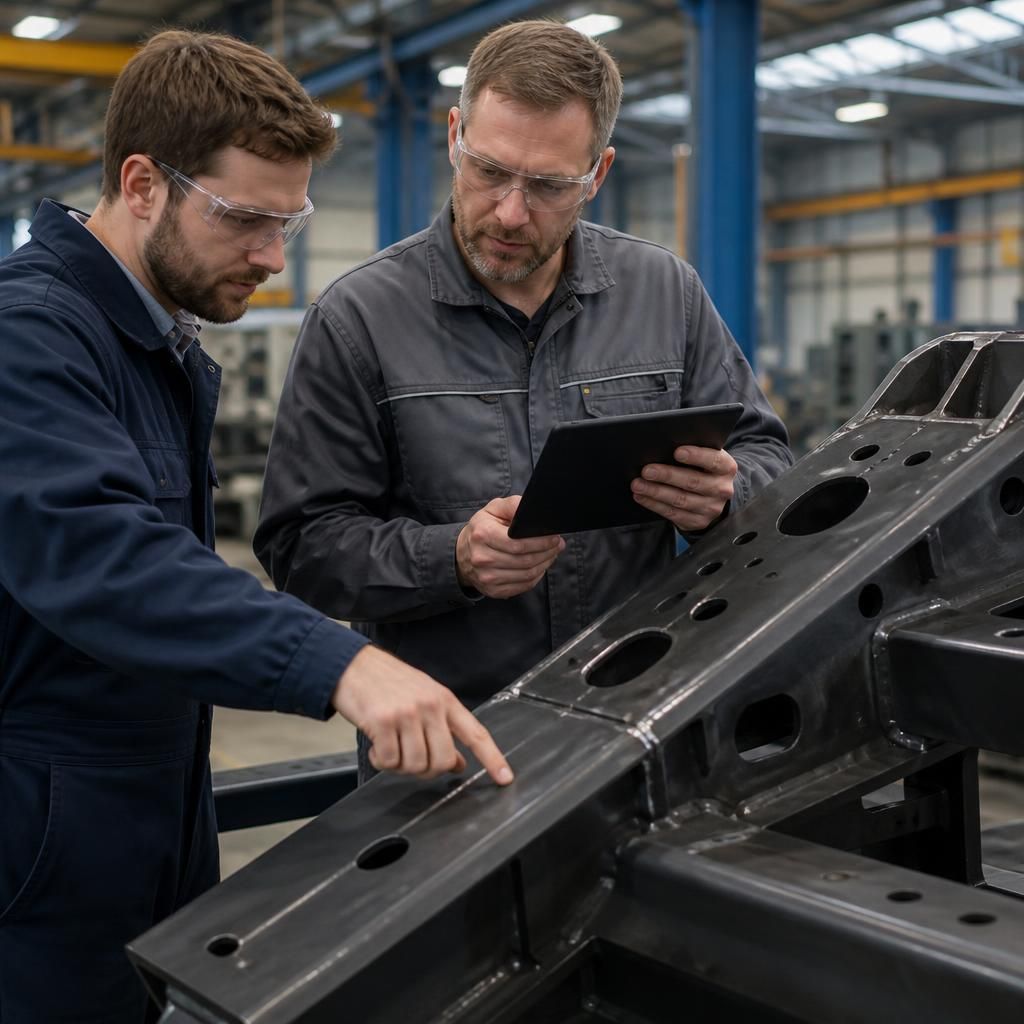
A useful way to present the result is as a cost per compliant service year. First define what acceptable performance means for the steel component, such as remaining corrosion protection, appearance and functional condition. Then divide the total ownership cost by the number of years the component is expected to remain within that standard. This is more meaningful than comparing coating life alone, because a finish may remain present while no longer meeting the required protection level.
Show the result alongside the initial cost rather than replacing it. This makes it clear whether powder coating’s value comes from a lower purchase price, a longer period before intervention, or reduced exposure to future repair and replacement decisions. It also gives procurement and engineering teams a common basis for reviewing the specification.
Discuss Your Steel Component Cost Assessment
Discuss your steel components, exposure conditions and expected service life with the powder-coating team to establish a technically comparable cost assessment. Request a quotation that clearly separates preparation, coating, handling and delivery so the lifecycle comparison is based on complete information.