

What are the long-term maintenance requirements for anti-corrosion coatings on steel?
Long-term maintenance of anti-corrosion coatings on steel involves planned inspections, appropriate cleaning and prompt repair of damage before corrosion spreads beneath the coating. The frequency and extent of maintenance depend on exposure conditions, coating system, signs of wear, contamination and the consequences of coating failure.
A long-term maintenance plan for coated steel should define what is checked, how the surface is cared for, when defects are repaired and when the coating system must be refurbished. The aim is to prevent small losses of film integrity from developing into underfilm corrosion, loss of adhesion or section damage to the steel.
Establish the coating system and exposure conditions
Maintenance decisions depend on the complete coating specification rather than the visible colour or finish alone. Records should identify the preparation method, primer and topcoat, coating type, application date and any areas with increased exposure. Steel positioned outdoors, near roads, in marine-influenced air, in industrial atmospheres or where it is regularly exposed to chemicals requires closer control than steel in a clean, dry internal environment.
Particular attention is needed at joints, welds, folded edges, drilled holes, fixings, drainage points and areas where water or contaminants can collect. These locations often deteriorate before broad, flat surfaces because they are harder to coat consistently and more difficult to keep dry.
Use a planned inspection process
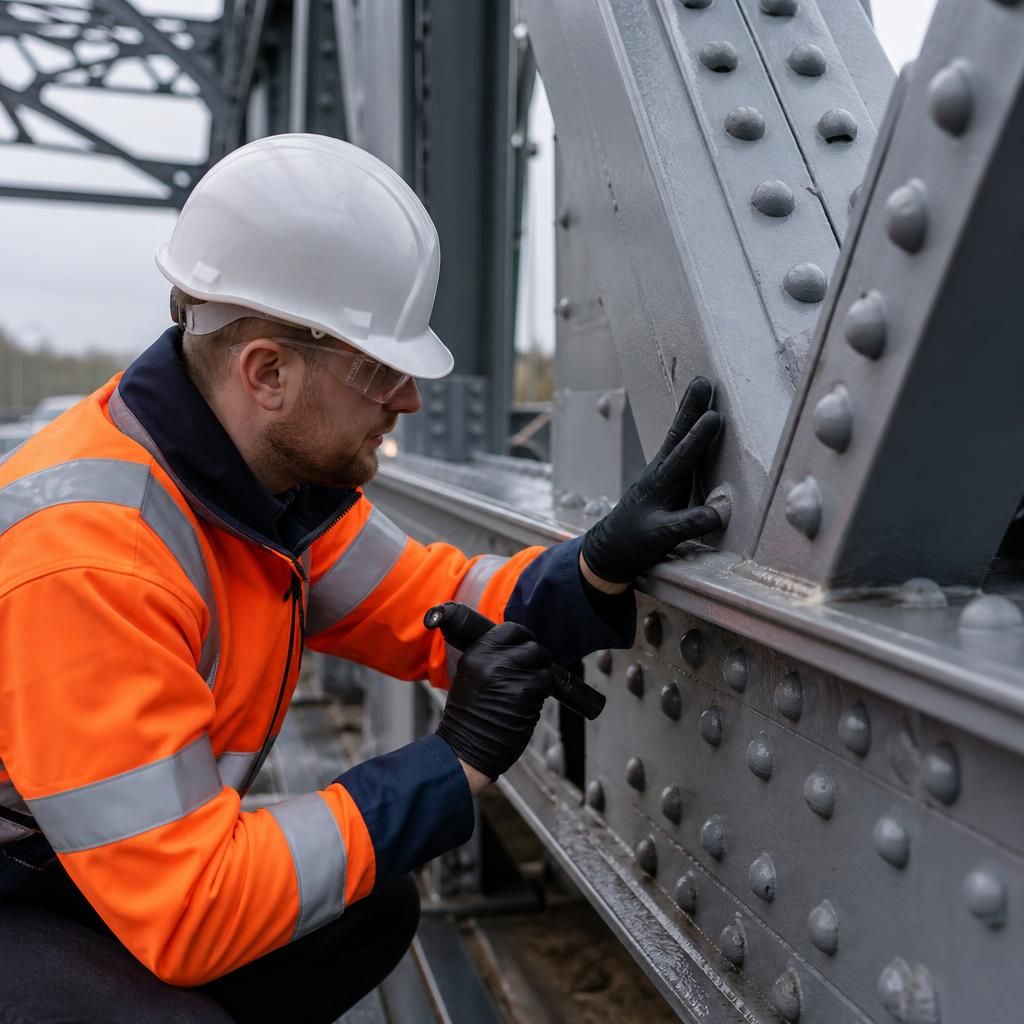
Inspections should be systematic rather than limited to visible rust. Examine the coating for:
- blistering, bubbling, flaking, cracking or peeling;
- scratches, impact marks and exposed steel;
- changes in colour, gloss or texture;
- rust staining, especially around edges, fixings and joints;
- lifting at welds, corners and coating transitions; and
- standing water, deposits or blocked drainage routes that may be accelerating deterioration.
Where a defect is found, assess its extent before applying a local touch-up. A small surface mark may need only preparation and repair, whereas lifting or rust staining can indicate corrosion spreading beneath apparently sound coating. A coating inspector may use adhesion testing, dry-film thickness checks or other suitable methods when the condition is uncertain or the asset is safety-critical.
Clean without damaging the film
Cleaning removes salts, dust, traffic film, oils, bird deposits and other contaminants that can retain moisture or attack the coating. Use a method compatible with the coating and the steel beneath it. Soft cleaning equipment, clean water and a suitable mild detergent are generally preferable to aggressive abrasion. Rinse away residues and allow the surface to dry fully, particularly around seams, overlaps and drainage points.
Avoid harsh solvents, highly abrasive pads, uncontrolled high-pressure cleaning and tools that score the film. If a chemical spill occurs, follow the coating supplier’s guidance for neutralisation and removal rather than allowing the substance to remain on the surface. Cleaning alone will not restore a failed coating; it is a preparation step before condition assessment or repair.
Repair damage at the correct stage
Repairs should remove loose coating, corrosion products and contamination from the affected area. The surrounding sound coating should be feathered where necessary so that the repair bonds properly and does not leave a sharp edge that can lift. Bare steel then needs appropriate preparation, followed by a compatible repair coating or approved touch-up system.
Do not apply repair material over rust, dampness, oil or poorly adhered coating. The repair product must be suitable for the original system and the exposure conditions. Mixing incompatible products can cause poor adhesion, wrinkling or premature failure. Edges, welds and fasteners may require particular attention because they are common routes for moisture entry.
Distinguish local repair from full recoating
Local repair is appropriate when the surrounding coating remains firmly bonded and deterioration is limited. Full refurbishment becomes more suitable when defects are widespread, adhesion has been lost across larger areas, corrosion is recurring after repair, or the existing coating has become too thin, brittle or contaminated to provide a reliable base.
A full recoating project normally involves controlled removal or preparation of unsound material, treatment of corrosion, repair of substrate defects, verification of surface cleanliness and application of a compatible coating system. The preparation standard should be agreed before work starts, particularly where steel has deep pitting or where access restrictions make complete preparation difficult.
Keep maintenance records
Record the inspection date, areas examined, defects found, photographs, cleaning undertaken, products used and any recommendations for further work. Include information about changes to the surrounding environment, such as new chemical exposure, altered drainage or increased contamination. These records help identify recurring failure points and allow future repairs to match the original specification.
For fabricated steel components and batch-coated parts, consistent preparation and specification control are as important as later upkeep. A suitable coating provider can advise on the system, preparation requirements and repair compatibility before production or refurbishment, helping the maintenance plan reflect the actual steel application rather than relying on a generic coating assumption.
Long-term maintenance must account for changes made after the original coating was applied. Drilling, welding, cutting, fastening or attaching new components can expose bare steel or damage the coating around an otherwise sound part. These alterations should be prepared, protected with a compatible coating system and checked for moisture traps before the asset is returned to service.
Interfaces between coated steel and adjoining materials also need attention. Gaps, sealants, brackets and enclosed sections can retain water or contaminants even when the main visible surface appears intact. Keeping these interfaces properly sealed, allowing drainage and avoiding unplanned contact between incompatible materials helps prevent local corrosion that may remain hidden until the coating has already deteriorated.
Discuss Your Steel Coating Maintenance Requirements
Discuss your steel coating maintenance requirements with Powder-coatings.co.uk, providing details of the component, its exposure conditions and any known coating defects. This will help establish whether local repair, refurbishment or a new coating specification is the appropriate next step.