

What is the turnaround time for sandblasting and powder coating services?
Turnaround time for sandblasting and powder coating varies according to the size and condition of the metalwork, the extent of surface preparation, the coating system required and the batch size. A reliable timescale can be confirmed once the components, finish and collection or delivery requirements have been assessed.
Turnaround time is the complete period from an agreed job start through preparation, blasting, coating, curing, inspection and packing until the finished components are ready for collection or delivery. It is not simply the time spent in the spray booth, because each stage must be completed in sequence and some stages require checks or preparation before the next can begin.
The main scheduling considerations are:
- Specification approval: The coating colour, gloss level, substrate requirements, masking points and any areas that must remain uncoated need to be clear before work begins. Changes made after preparation has started can require additional handling or reprocessing.
- Part preparation and handling: Components may need loading, degreasing, blasting, cleaning and careful removal of abrasive residue. Items with recesses, internal faces, delicate edges or assembled sections can take longer to handle than straightforward fabricated parts.
- Masking and fixturing: Threads, bores, mating faces and electrical contact points may need plugs, caps or other masking. Parts also need to be supported in a way that permits even coverage while limiting contact marks. These operations can be significant on technically detailed components.
- Coating and curing: The powder must be applied consistently and then cured in accordance with the coating system and the component’s characteristics. Curing is a controlled stage, not an optional drying period; insufficient or uneven curing can affect the final performance of the finish.
- Inspection and remedial work: The finished work may be checked for coverage, colour consistency, visible defects, masking accuracy and correct presentation of critical faces. If a defect or missed area is identified, the affected component may need further preparation and coating before it is released.
Workshop scheduling also affects the date on which a job is completed. A coating service may need to coordinate equipment, material availability, specialist preparation, inspection requirements and the movement of parts through different work areas. A project that requires several coating systems, multiple colours or separate treatment of different component groups will usually involve more planning than a single, standardised run.
For larger production orders, the most useful question is not only “How long will the job take?” but also how the work will be scheduled. Ask whether the order will be processed as one batch or in stages, whether samples or approval pieces are required, how non-conforming items will be handled, and at what point the completed goods will be available for despatch. This helps align the coating programme with fabrication, assembly and installation dates.
To obtain a meaningful estimate, provide a component schedule, drawings or photographs where relevant, the substrate and existing finish, the required coating specification, masking instructions, quality requirements and preferred transport arrangement. It is also useful to identify any fixed installation or production date. The more complete the information, the less likely it is that the agreed schedule will need to change because of an unforeseen processing requirement.
A reliable quotation should separate the expected processing period from any transport arrangements and should state what event starts the agreed timescale. It should also identify assumptions, such as the condition of the incoming metalwork, the need for remedial preparation and the acceptance criteria for the finished coating. For Midlands manufacturers, fabricators, construction firms and automotive businesses, discussing these points before sending components provides a clearer basis for planning collection, delivery and downstream production.
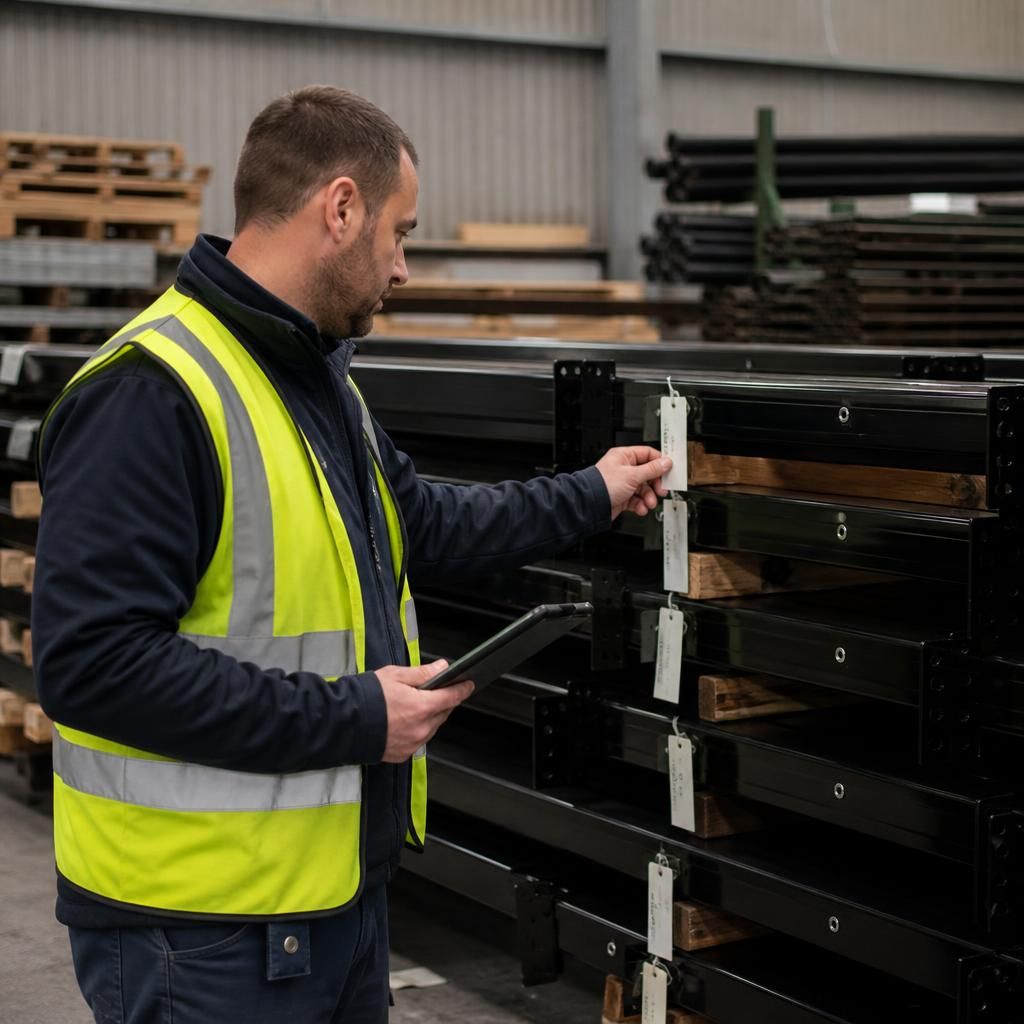
For projects with an installation or assembly sequence, turnaround also depends on how the finished components must be presented for handover. Parts may need to be labelled, grouped by area or assembly stage, protected against contact damage and packed in a particular order. Providing these requirements with the job details helps the coating team plan the final handling stage without adding avoidable work after coating is complete.