

What factors determine the suitability of steel for different types of powder coating applications?
Steel is suitable for a particular powder coating application according to its grade, thickness, condition and ability to tolerate the curing process. The required corrosion resistance, mechanical durability, environment, component size and desired finish then determine the most appropriate preparation method and powder coating system.
Steel is suitable for a powder coating application when its composition, surface condition, construction and intended service can be matched with a compatible coating system and production process. The decision is therefore more specific than simply selecting a powder colour: the steel must accept the chosen pretreatment, allow a consistent coating to form and meet the functional and visual requirements of the finished component.
Steel type and surface chemistry
Different steel products present different coating conditions. Mild steel is commonly powder coated, but its surface may carry mill scale, oil, rust or fabrication residues. Stainless steel has a more chemically stable oxide layer, so the preparation method must be selected to promote adhesion without damaging the underlying surface. Galvanised steel introduces a zinc layer that requires compatible pretreatment and careful handling, while cast steel or iron can contain pores that release trapped air or contaminants during heating.
These differences affect both adhesion and appearance. A coating system suitable for clean, lightly prepared mild steel should not automatically be assumed suitable for galvanised, stainless or cast material. The steel supplier’s information, the manufacturing route and any previous treatment should be considered before the powder system is chosen.
Fabrication and component design
The way a component is made can be as important as the material itself. Welds, folded corners, drilled holes, sharp edges, overlapping joints and recessed areas can all influence powder coverage. Weld spatter, heat tint, anti-spatter products and residues from cutting or forming must be removed because they can interfere with adhesion or create visible defects.
Sharp edges are particularly significant. Powder tends to pull away from a very acute edge during application and curing, potentially leaving reduced coverage at the point most exposed to handling or service. Radiused edges, suitable weld finishing and accessible surfaces make it easier to achieve a more uniform film. Box sections and hollow fabrications may also need appropriate drainage or venting so that pretreatment liquids do not remain trapped and internal pressure does not create problems during heating.
Porosity, trapped gases and contamination
Castings, porous welds and some heavily worked steel parts can retain moisture, oil or air. During the curing stage, these materials may release gases through the uncured film, producing pinholes, bubbling or other surface defects. This does not necessarily make the steel unsuitable, but it may require additional cleaning, outgassing, design changes or a different coating approach.
Contamination is also relevant where steel has been exposed to silicone, grease, marking inks, adhesive residue or workshop chemicals. A visually clean surface can still contain substances that reduce wetting or adhesion. The condition of the steel should therefore be assessed using its full fabrication and handling history rather than appearance alone.
Powder chemistry and performance specification
The resin family should be selected according to the dominant duty of the component. Epoxy-based systems are often considered where resistance to chemicals and strong adhesion are important, although prolonged exposure to ultraviolet light can affect their appearance. Polyester-based systems are commonly considered for components that require better outdoor colour and gloss retention. Hybrid systems may be suitable where a balance of indoor performance and appearance is required.
These are general distinctions rather than a substitute for a coating specification. The correct choice also depends on contact with oils, cleaning agents, moisture, road contaminants, abrasion, impact and elevated temperatures. Where a component has several duties, the specification should identify the most demanding exposure rather than selecting a powder solely by colour or initial appearance.
Electrical and functional requirements
Steel components used in electrical enclosures, earthing arrangements or assemblies with close contact points may need carefully defined masked areas. Powder coating is electrically insulating, so it can interrupt continuity if it covers an earthing point, bonding face, threaded connection or other contact surface. Masking, plugs and post-coating removal must be planned before production.
Dimensional requirements can also determine suitability. Powder adds a measurable film to mating faces, threads, sliding fits and tight apertures. Where components must assemble with close tolerances, the specification should identify surfaces that need masking or controlled coating coverage. This is especially important for repeat batches, where small inconsistencies can affect assembly.
Appearance and colour consistency
The required appearance influences both powder selection and the acceptability of the steel surface beneath it. Gloss, texture, metallic effect and colour can change how clearly weld marks, grinding lines, dents and minor surface variation are seen. Smooth or highly reflective finishes generally expose substrate imperfections more readily than textured finishes.
Large panels and components assembled from separate steel sections may also show variation if the parts have different substrate types, preparation histories or coating batches. A consistent specification should define the acceptable visual standard, viewing conditions and any areas where appearance is less critical. This avoids treating a functional coating and a decorative architectural finish as though they have identical requirements.
Assessment before full production
For unfamiliar steel, mixed fabrication or a demanding application, a trial piece or representative sample can establish whether the proposed process is appropriate. Assessment may include visual inspection, coating thickness checks, adhesion testing and confirmation that the powder has reached its specified cure on the steel itself. The test piece should reflect the real material, welds, edges, geometry and handling route; a flat sample made from different steel may not reveal problems found on the finished component.
In practice, steel suitability is confirmed by matching the substrate and component design to the coating specification, then validating the complete preparation, application and curing route. Early review of drawings, steel type, fabrication residues, masking points, tolerances and service requirements helps prevent a coating that is technically compatible with the metal but unsuitable for the finished assembly.
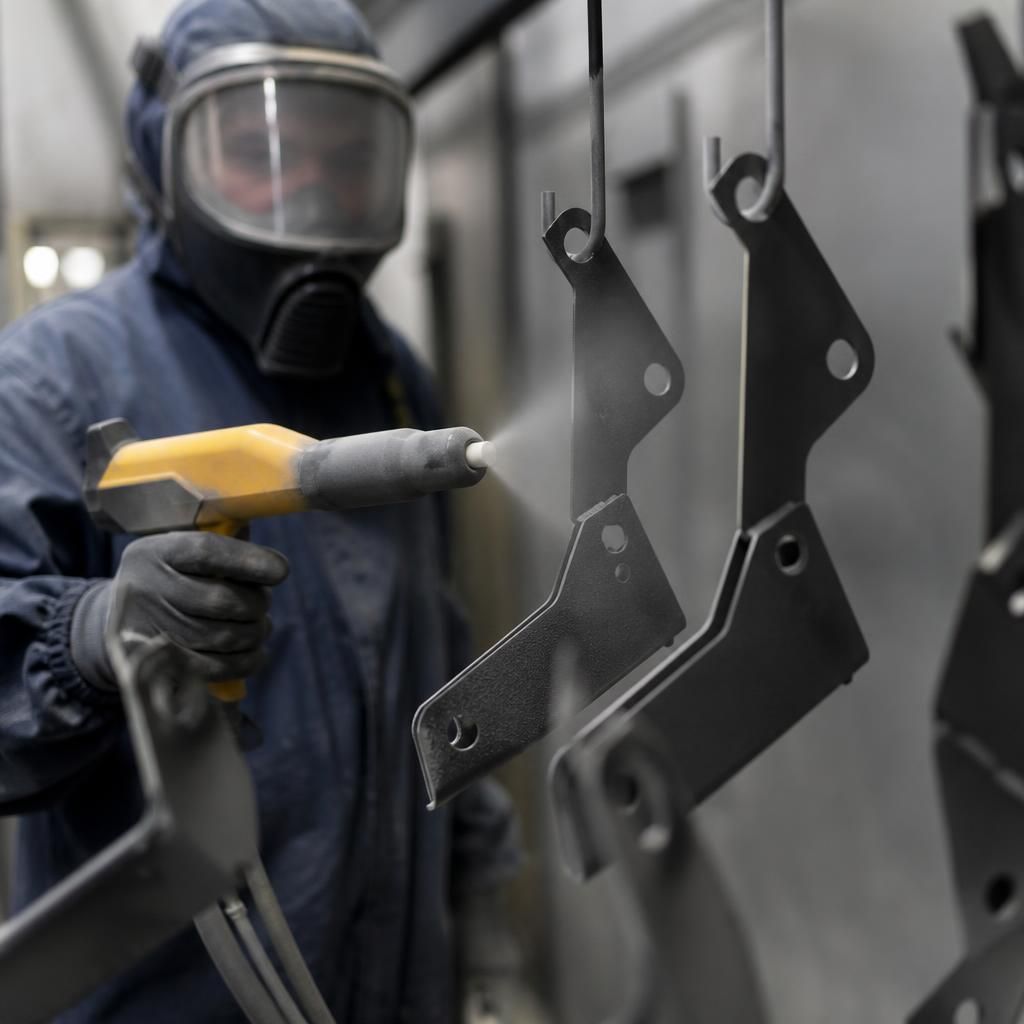
Steel’s suitability also depends on the temperature it will experience after coating, not only on whether it can pass through the curing process. A component exposed to sustained heat, repeated heating and cooling, or local hot spots needs a powder system whose performance remains appropriate throughout that service cycle.
Thermal movement can place stress at edges, joints and interfaces, particularly where the steel is assembled with other materials that expand at different rates. The assessment should therefore consider the component’s normal operating temperature, peak exposure, heating pattern and any contact with hot fluids or equipment. These conditions help determine whether the proposed coating is appropriate and whether a representative test should include thermal cycling before production approval.