

How does pre treatment plant powder coating improve the lifespan of metal components?
Pre-treatment plant powder coating improves the lifespan of metal components by cleaning and chemically conditioning the surface before powder is applied. This creates a stronger bond between the coating and the metal, helping to reduce peeling, corrosion and premature surface deterioration during service.
Pre-treatment plant powder coating improves the service life of metal components by creating a controlled, repeatable preparation route before the coating is cured. The plant manages the sequence of treatment, rinsing, drying and coating more consistently than an uncontrolled manual process, helping the finished surface withstand the conditions for which the component is specified.
A major benefit is improved resistance to corrosion developing beneath the coating. Any remaining oil, oxide, scale, dust or processing residue can create weak areas in the finished film. A properly managed pre-treatment line reduces these sources of failure and supports a more uniform protective system across the component, including areas that may be difficult to prepare by hand.
The process also helps the coating cope with physical service conditions. A consistent surface treatment allows the powder film to perform more effectively when components are exposed to handling, vibration, abrasion, moisture or changes in temperature. This is particularly relevant for fabricated parts, plant equipment, automotive components and construction products that may experience repeated contact or outdoor exposure.
Plant control is important because lifespan depends on more than the powder itself. Factors such as chemical concentration, treatment temperature, contact time, rinse quality, water contamination and drying conditions can all affect the final result. A dedicated system makes these variables easier to manage and repeat from one batch to the next, reducing variation between components and helping large production runs achieve a more consistent finish.
Correct treatment can also protect vulnerable design features. Corners, joints, recesses, drilled holes and folded edges may retain contamination or moisture if preparation is incomplete. The treatment specification and plant configuration should therefore reflect the component’s geometry, substrate and intended environment rather than relying on one identical process for every job.
Material selection is another important consideration. Steel, galvanised steel, aluminium and other metals may require different preparation methods or chemical systems. The appropriate pre-treatment must be compatible with the substrate and the selected powder coating. Incorrect chemistry, inadequate rinsing or poor drying can reduce the expected durability even when the powder is applied correctly.
Pre-treatment supports long-term performance, but it cannot overcome unsuitable component design or incorrect curing. Service life is also influenced by:
- the metal grade and condition before processing;
- the treatment system selected for the substrate;
- the specified powder type and film thickness;
- the curing conditions required by that powder;
- sharp edges, crevices and areas where water may collect;
- the component’s exposure to chemicals, salt, moisture, impact and ultraviolet light; and
- how the finished item is packaged, transported, installed and maintained.
For this reason, the pre-treatment stage should be considered part of the complete coating specification, not an isolated wash before powder application. When the metal, chemistry, plant settings and curing requirements are properly matched, the resulting system is better placed to retain its protective and visual properties throughout the component’s intended service conditions.
For businesses processing batches or larger components, a pre-treatment plant is particularly valuable because it provides a repeatable route for preparing multiple parts. This supports more dependable quality control and makes it easier to identify where a process issue has occurred if inspection reveals a defect. The result is a more controlled basis for achieving durable powder-coated metalwork, provided the system is selected and operated in line with the substrate and end-use requirements.
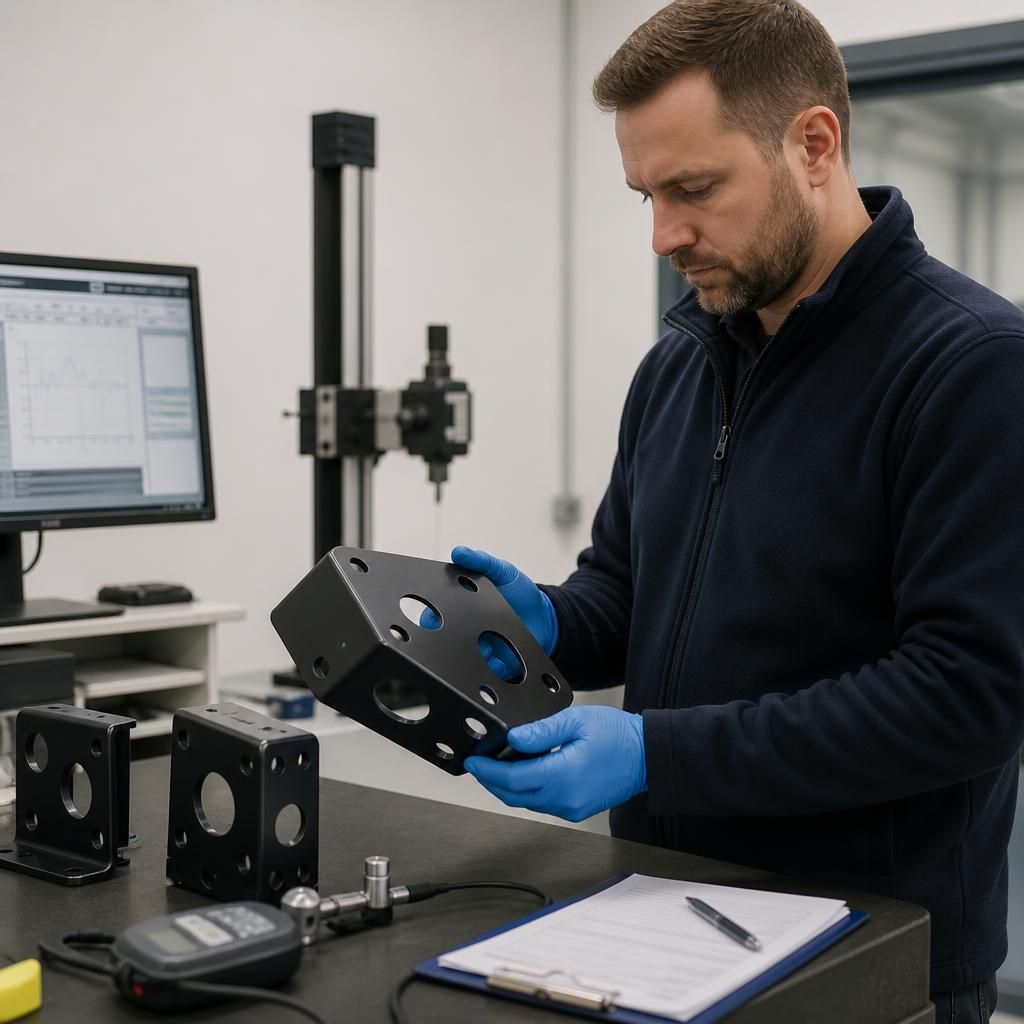
Pre-treatment plant powder coating improves component lifespan when the process is verified as well as applied. Inspection and testing can confirm that the prepared surface and finished film meet the coating specification before parts enter service, helping identify defects that could otherwise become early failure points.
Depending on the substrate and end-use requirements, checks may include visual inspection, coating thickness, adhesion and curing assessment. Recording these results also helps trace variations back to a particular batch or process stage. This gives manufacturers and fabricators a more reliable basis for accepting coated parts and maintaining consistent protection across repeat production.
Discuss your pre-treatment plant powder coating requirements
Discuss your component material, dimensions, expected service conditions and production requirements with the powder coating team to identify a suitable pre-treatment specification. This provides a practical basis for planning durable, consistent protection for your metal parts.