

How does surface clean pretreatment contribute to the overall cost-effectiveness and lifespan of powder-coated products?
Surface clean pretreatment improves cost-effectiveness by removing contaminants that can weaken powder coating adhesion, reducing the risk of premature coating failure, rework and maintenance. By creating a clean, suitable surface before coating, it helps the finished product resist corrosion and wear for longer, extending its useful lifespan.
Surface-clean pretreatment improves the lifecycle economics of powder-coated products by creating a controlled interface between the metal and the coating system. Its value is not limited to making the surface visually clean: the correct preparation supports consistent processing, predictable coating performance and longer service intervals, helping the total cost of ownership remain proportionate to the product’s intended use.
Cost-effectiveness is influenced by what happens before the powder is applied. A properly prepared component is more likely to present a uniform surface to the coating line, which helps the powder melt and form a consistent film. This supports dependable coverage across edges, recesses and larger areas, while reducing avoidable variation between batches. Consistency matters commercially because a finish that meets the required specification first time is less disruptive to production planning and quality inspection.
Pretreatment can also include a chemical conversion stage suited to the metal substrate. This changes the surface characteristics in a controlled way and provides a suitable foundation for the powder coating. The treatment must be selected and managed according to the substrate, because steel, galvanised metal and aluminium do not respond identically to the same chemistry. Correct sequencing of cleaning, rinsing, conversion and drying is therefore important to the finished product’s service performance.
The effect on lifespan is best understood as a reduction in the rate at which the coating system loses its protective function. A well-prepared interface helps the coating remain stable when the product is exposed to handling, moisture, temperature changes and normal operational contact. The result is a finish that can continue to perform its intended protective and decorative role for longer, provided that the powder type, film thickness, curing conditions and product design are also appropriate.
- Lower whole-life expenditure: a durable finish can reduce the frequency with which components need attention, refurbishment or replacement during their working life.
- More predictable production: controlled preparation makes coating results more repeatable, which assists batch planning and acceptance checks.
- Better use of coating materials: a suitable surface allows the powder system to be applied to a prepared substrate rather than compensating for an unsuitable one.
- Protection of the underlying asset: maintaining the coating’s protective role helps preserve the metal component and the wider assembly in which it is installed.
The financial benefit should be assessed against the required operating environment rather than judged by the preparation stage alone. A component used indoors may require a different treatment regime from one exposed to rain, road salts, industrial pollutants or frequent washing. The correct specification balances pretreatment chemistry, powder selection, film thickness, curing and the expected conditions of use. Over-specifying a process can add unnecessary cost, while under-specifying it may shorten the product’s useful life.
Good pretreatment also supports meaningful quality control. Parameters such as bath condition, rinsing quality, surface appearance and drying can be monitored before powder application. Checking these stages helps identify process drift before it affects a larger production run. For a manufacturer or fabricator, that visibility has economic value because it supports consistent decisions about whether prepared parts are suitable for the next stage.
However, pretreatment cannot correct every cause of coating failure. Poor component design, trapped moisture, sharp edges, unsuitable powder, inadequate curing or damage after coating can still affect lifespan. Cost-effective powder coating therefore depends on treating pretreatment as one part of a complete system. When the preparation method is matched to the metal, coating specification and service environment, it provides a sound technical basis for durable performance and more controlled lifecycle costs.
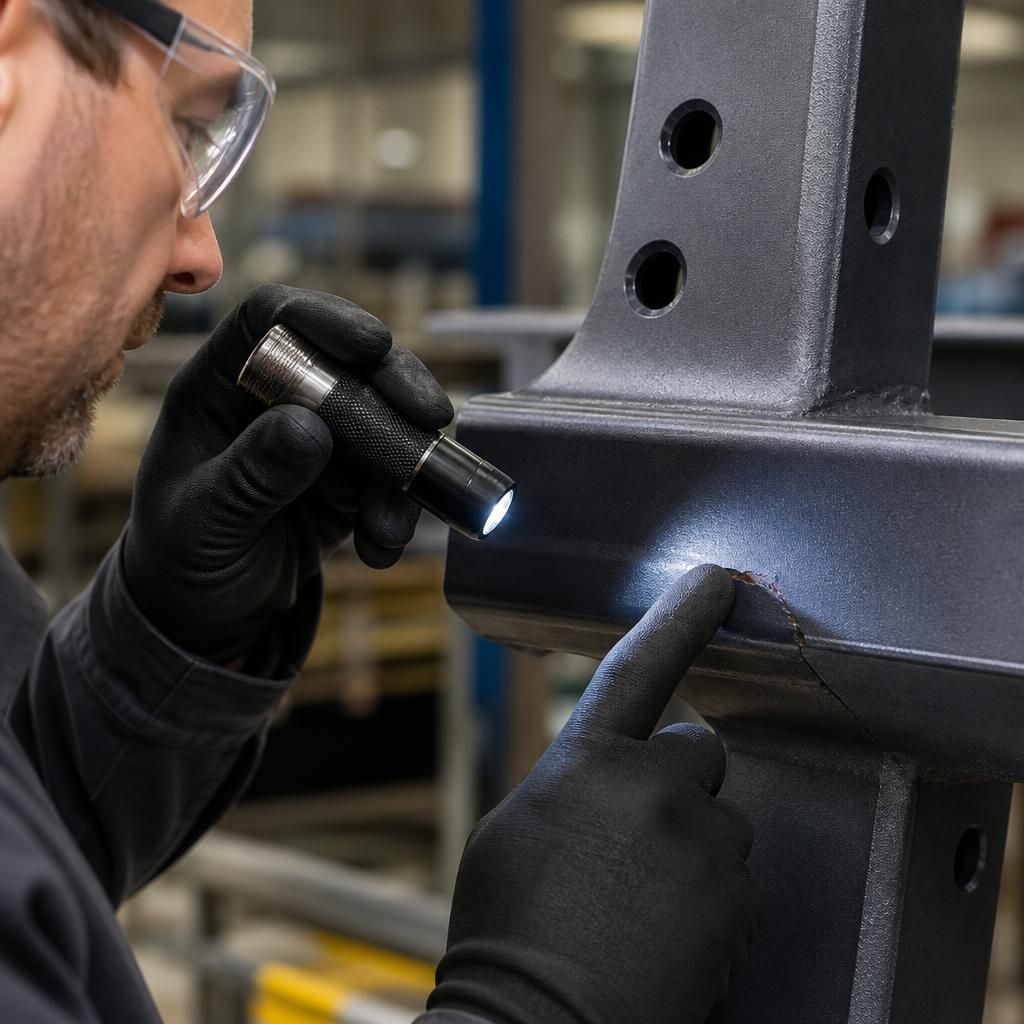
Surface clean pretreatment can limit the spread of corrosion beneath a powder-coated film when the finish suffers a small chip, scratch or exposed edge. Residues, oxides and other contaminants can create weak points where moisture reaches the metal; corrosion may then progress underneath apparently intact coating and cause lifting around the original damage.
By preparing a stable, clean interface before powder application, pretreatment helps the coating remain attached around vulnerable areas and reduces the likelihood that a minor defect develops into wider delamination. This has a direct cost implication: localised damage is less likely to require extensive stripping, re-preparation and recoating, provided the component design, coating specification and service conditions are suitable.
Discuss the right pretreatment for a cost-effective, durable finish
Discuss your component material, intended service environment and coating requirements with the powder-coating.co.uk team to identify a suitable pretreatment approach. This helps establish a technically appropriate route before production or refurbishment begins.