

What environmental conditions can metal protective coating spray effectively withstand?
Metal protective coating spray can withstand moisture, UV exposure, abrasion, temperature variation and selected chemicals when the coating formulation is matched to the operating environment. Its performance depends on the substrate preparation, coating specification and the severity of conditions, so corrosive, outdoor or industrial applications require appropriate protective-grade selection.
Metal protective coating spray can be specified for a wide range of service environments, but its resistance is not universal. The correct specification depends on how the coated component will be exposed, for how long, and whether the exposure is continuous, intermittent or cyclic. A coating that performs well on an indoor machine enclosure may be unsuitable for a component exposed to standing contaminants, immersion or severe atmospheric pollution.
The most important distinction is between the type of exposure and its severity:
- Atmospheric exposure: Sheltered internal areas are generally less demanding than exposed external locations. Coastal air, road salt, fertiliser dust, chemical vapours and industrial pollution can increase the corrosive load, particularly where deposits remain on the surface.
- Intermittent contact: Occasional splashes are usually less demanding than prolonged contact, provided the surface can drain and dry. Crevices, folded sections and horizontal ledges can retain contaminants and create more aggressive local conditions.
- Continuous contact or immersion: Permanent immersion, frequent wash-down or trapped liquid requires a coating system specifically assessed for that service. General-purpose protection should not automatically be treated as suitable for tanks, submerged parts or areas exposed to persistent condensation.
- Chemical exposure: Resistance depends on the chemical identity, concentration, temperature and contact time. Acids, alkalis, oils, fuels, cleaning agents and solvents affect different coating formulations in different ways, so compatibility should be confirmed against the actual substances used.
- Mechanical service: Handling, impact, friction and contact with abrasive materials can damage the film even where the surrounding atmosphere is relatively mild. Corners, edges and fixing points normally experience more stress than broad flat areas.
Temperature should also be assessed as an operating cycle rather than as a single stated condition. Repeated heating and cooling can place stress on the coating and substrate, especially where the component changes temperature rapidly or where different materials expand at different rates. The relevant assessment should include normal operating temperature, occasional peaks, cooling conditions and any cleaning process that introduces a sudden temperature change.
Coating performance is strongly influenced by the condition of the metal beneath it. Oil, mill scale, rust, weld residues, dust and other contaminants can prevent proper bonding or leave weak points in the finished film. Edges, welds, recesses and joints may need particular attention because they are more difficult to clean and can allow corrosion to develop beneath a damaged area. Suitable preparation and complete curing are therefore part of the environmental resistance specification, not separate cosmetic considerations.
For more demanding applications, the specification may require a suitable primer, a compatible multi-coat system or a specialist protective formulation rather than a standard single finish. The choice should be based on the complete exposure profile, including:
- the base metal and its existing surface condition;
- indoor, outdoor, sheltered or exposed installation;
- humidity, condensation and contamination levels;
- chemical substances and likely contact duration;
- mechanical contact, impact and cleaning methods;
- operating temperature and thermal cycling; and
- the consequences of coating damage or corrosion.
Where the application is safety-critical, chemically aggressive or difficult to inspect, the coating supplier should review the service conditions before work begins. Technical data, compatibility information and any relevant corrosion or durability test evidence should be considered alongside the proposed preparation and curing process. This approach gives a more reliable basis for selecting metal protective coating spray than choosing a finish by colour or general-purpose description alone.
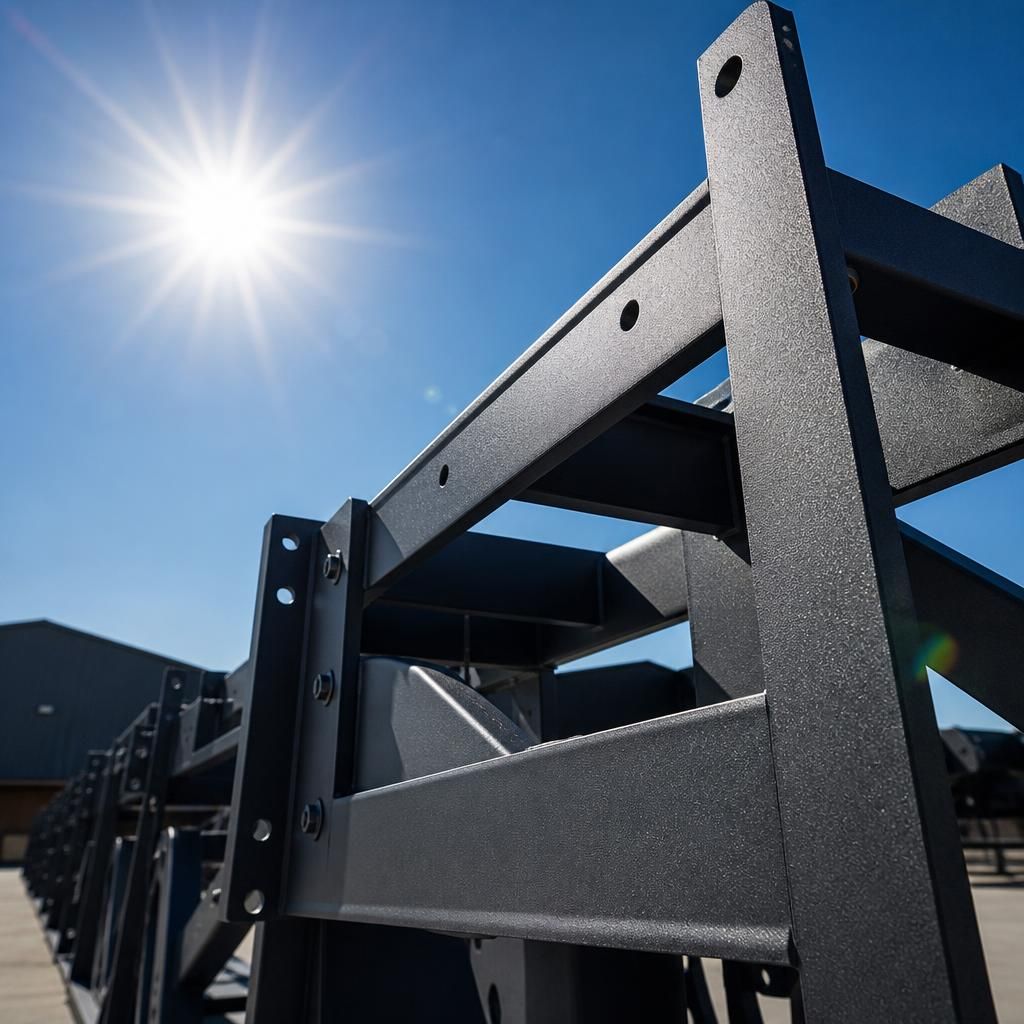
Ultraviolet exposure primarily affects the coating film’s appearance and long-term surface condition. A formulation with suitable UV stability can better resist fading, chalking and loss of gloss when metal components are installed outdoors or in areas exposed to strong sunlight. However, UV resistance should not be confused with complete corrosion protection: the coating must also be suitable for the moisture, pollutants and handling conditions present at the installation site. When appearance retention matters, the specification should assess both the required visual finish and the protective performance expected over the component’s service life.