

What are the long-term benefits and potential cost savings of using a metal protective coating spray compared to traditional paint methods?
A metal protective coating spray, such as powder coating, can provide a tougher, more durable finish than traditional paint, helping reduce maintenance, recoating and corrosion-related replacement costs over the component’s service life. Although initial preparation and application costs vary, longer coating life and less frequent remedial work can improve whole-life value for businesses.
The long-term financial advantage of a metal protective coating spray is best assessed through total cost of ownership, not the initial coating price alone. Compared with traditional liquid paint, a well-specified powder coating system can reduce the combined cost of materials, application labour, rework, handling and future refurbishment over the working life of a metal component.
Application efficiency affects the initial cost. Liquid painting may involve several coats, flash-off periods between coats and extended drying times before parts can be handled. Powder coating uses a controlled application and curing process, which can simplify production flow where the component, coating specification and facilities are suitable. Less handling between stages can reduce labour input and the risk of damage while the finish is still vulnerable.
Material use can be more predictable. Powder is applied as a dry coating and, in suitable systems, unused overspray may be collected and reused. The practical benefit depends on the equipment, colour, coating chemistry and contamination controls, so it should not be assumed for every job. Liquid paint also requires careful control of mixing, thinning and application losses. Comparing the amount of coating purchased with the amount that becomes part of the finished film gives a more meaningful cost comparison than comparing container prices.
A consistent film can reduce avoidable rework. Variations in thickness, runs, sags, pinholes or missed areas may require inspection, local correction or complete reapplication. Powder coating is applied under controlled conditions and cured to a defined specification, helping make finish quality more repeatable when the parts are correctly prepared and the process is properly controlled. Fewer rejected or reworked components can protect production capacity as well as the coating budget.
Handling and installation costs should be included. A coating that reaches its required performance without frequent remedial work can reduce the need to remove components, isolate equipment or take fabricated items out of service for treatment. For manufacturers and fabricators, this may be particularly relevant where coated parts form part of a larger assembly. The financial effect is application-specific: it depends on access, the consequences of removing the component and the environment in which it is used.
Specification has a direct effect on value. The cheapest coating is not necessarily the least expensive option over the asset’s life. Selecting the correct resin type, film thickness, pretreatment and colour for the substrate and exposure conditions helps avoid paying for an unsuitable finish. A coating designed for indoor use, for example, should not be treated as equivalent to one selected for demanding external or industrial conditions. The specification should also define preparation requirements, curing conditions and inspection criteria.
Traditional paint can remain appropriate where on-site application, unusual repair requirements, very large fixed structures or low-temperature substrates make powder coating impractical. A fair comparison should therefore consider:
- the coating and preparation materials required;
- labour for masking, application, drying and handling;
- equipment, transport and curing requirements;
- the likelihood and cost of rework or rejected parts;
- installation disruption and access for future treatment; and
- inspection, cleaning and refurbishment requirements throughout the planned service life.
For a reliable business case, obtain the expected service conditions and coating specification first, then compare both methods on the same substrate, preparation standard and performance requirement. Include the cost of failure, not just the original invoice. This approach shows whether a metal protective coating spray offers a genuine whole-life saving for the particular components, production volumes and operating environment rather than assuming that one coating method is always less expensive.
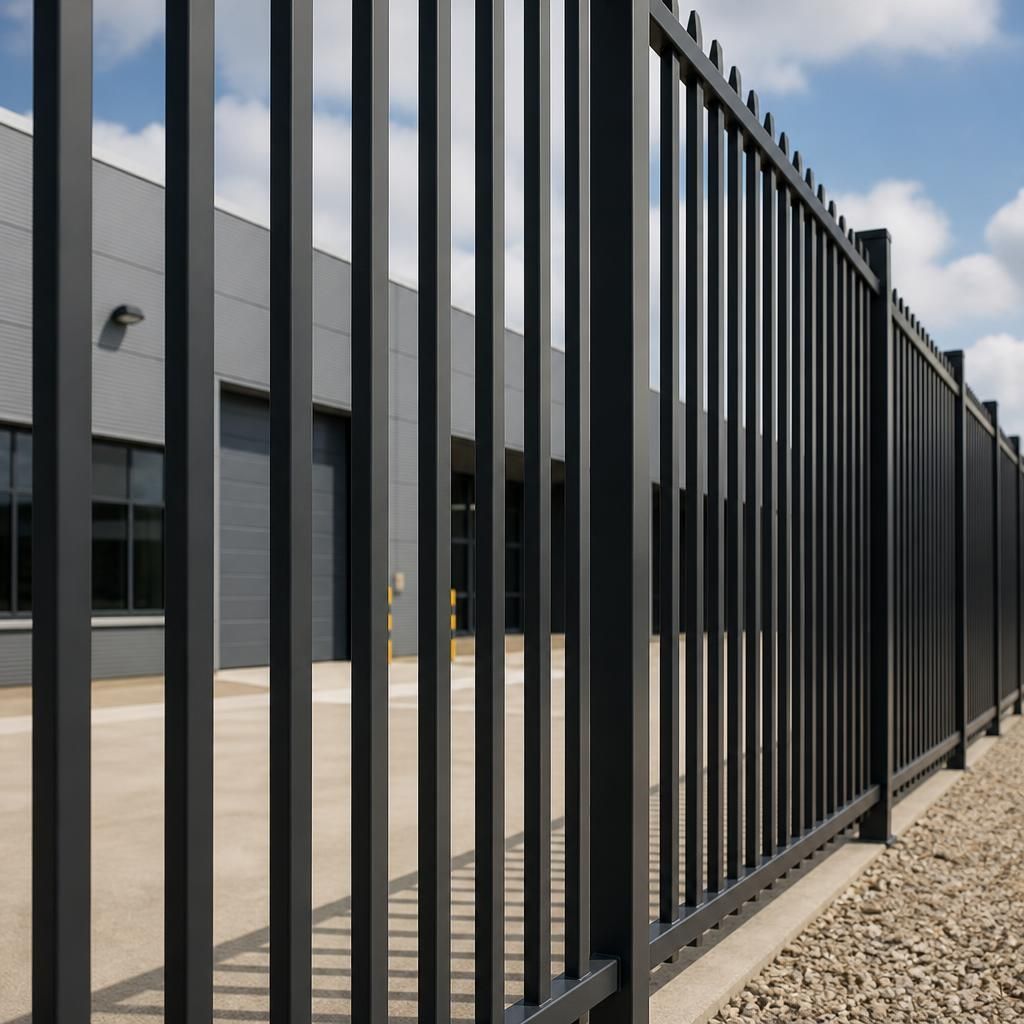
One long-term benefit of a correctly specified metal protective coating spray is the preservation of appearance as well as substrate protection. For visible metalwork, a suitable powder coating system can help retain a consistent colour and finish, reducing the likelihood that components need replacing or refinishing solely because their appearance has deteriorated.
This can be relevant to fabricated items used in customer-facing, architectural or automotive applications, where inconsistent finishes may affect presentation and require additional handling. The potential saving depends on the resin, colour, film thickness, pretreatment and exposure conditions, so the coating must be selected for the intended environment rather than judged on its initial price alone.
Discuss the Long-Term Value of Metal Protective Coating Spray
Provide details of your metal components, service environment and required finish so the coating specification can be assessed against your long-term performance and cost objectives. Contact Powder-coatings.co.uk to discuss a suitable protective coating approach for your application.