

How do I ensure the powder coating equipment package aligns with my specific operational needs?
Align a powder coating equipment package with your operation by defining the parts you process, required throughput, finish specifications, available space, utilities and operator workflow before selecting equipment. The package should provide the right capacity and control for current production while allowing practical adjustments if your component range or volumes change.
Ensuring a powder coating equipment package aligns with your operational needs requires more than matching individual items to a specification sheet. It means checking that the complete system supports your part-handling method, coating process, quality controls, safety procedures, maintenance arrangements and planned production changes without creating avoidable constraints.
Start by documenting the complete route a component follows through the operation. Include receipt, preparation, masking, loading, coating, curing, cooling, inspection, rework and despatch. This process map can reveal requirements that are easily missed when equipment is assessed separately. For example, a suitable spray system may still be impractical if parts cannot be presented consistently to the operator or transferred safely between stages.
Assess the equipment package against the characteristics of the parts you actually process. Record the range of shapes, surface conditions, recesses, edges, joining points and masking requirements. Parts with deep cavities or complex geometry may need different gun access, earthing arrangements or application controls from simple flat sections. If the operation handles different coating materials, check how the package supports colour or powder changes and whether cleaning between batches is practical.
Finish requirements should be translated into measurable process controls. Consider how the package will control powder application, electrical settings, film build and curing conditions. Where appearance or corrosion protection is critical, establish how operators will verify the result and how readings will be recorded. A trial using representative components can help identify issues such as poor coverage, excessive overspray, uneven film thickness or a cure profile that does not suit the substrate.
Check compatibility with the rest of the production environment before committing to a package. This includes the existing pretreatment method, extraction arrangements, compressed-air quality, electrical supply, lifting equipment and material movement routes. Interfaces between new and existing equipment should be defined clearly, including connection points, control signals, guarding and emergency-stop arrangements. A package that appears suitable in isolation may require costly alterations if these interfaces have not been reviewed.
Operator interaction is another practical test. Controls should be understandable for the tasks being performed, with settings that can be adjusted without introducing unnecessary variation. Consider whether recipes or repeatable settings can be recorded for recurring work, how access is provided for cleaning, and whether routine checks can be completed without dismantling major assemblies. The aim is to make the correct process straightforward to follow while reducing opportunities for inconsistent application.
Quality assurance requirements should be included in the specification rather than added afterwards. Decide which checks are needed for powder coverage, film thickness, adhesion, cure and visual appearance, then identify where those checks occur and what records are retained. For contract or safety-critical work, confirm that the package can support the documentation required by your customers and internal quality system. This may include equipment manuals, calibration information, operating instructions and maintenance records.
Maintenance needs should also be matched to the resources available at your site. Review which components require regular cleaning, inspection or replacement, how access is provided, and whether consumable parts are standard or application-specific. Ask for a clear maintenance schedule and identify the skills needed for routine servicing. The package should allow faults to be isolated efficiently, with accessible inspection points and understandable diagnostics where applicable.
Safety and environmental controls form part of operational fit. Review guarding, extraction, powder containment, electrical earthing, fire precautions, manual-handling risks and the arrangements for collecting or disposing of waste. The assessment should cover normal production, cleaning, fault conditions and maintenance. Equipment documentation should explain safe operating procedures and identify the responsibilities of operators, supervisors and maintenance personnel.
Finally, score the proposed package against defined acceptance criteria before purchase or installation. Useful criteria include:
- ability to process representative components consistently;
- compatibility with existing preparation, handling and curing stages;
- repeatability of key application and curing settings;
- ease of cleaning, changeover, inspection and routine maintenance;
- availability of operating, safety and maintenance documentation;
- fit with the site’s utilities, layout and material flow; and
- scope for additional capacity or process changes without replacing the core system.
Where possible, use representative parts and the intended powder rather than relying only on brochures or demonstrations with unfamiliar materials. Record the test conditions, inspect the finished coating and note any adjustments required. This creates an objective basis for selecting the package and highlights integration work before it affects production.
For a Midlands manufacturer, fabricator, construction business or automotive supplier, this structured review also helps determine whether a standard package is appropriate or whether a specialist arrangement is needed. Powder-coating.co.uk can discuss the application and coating requirements for industrial metal components and advise on a package that fits the wider process, with collection and delivery options available for its regional B2B service.
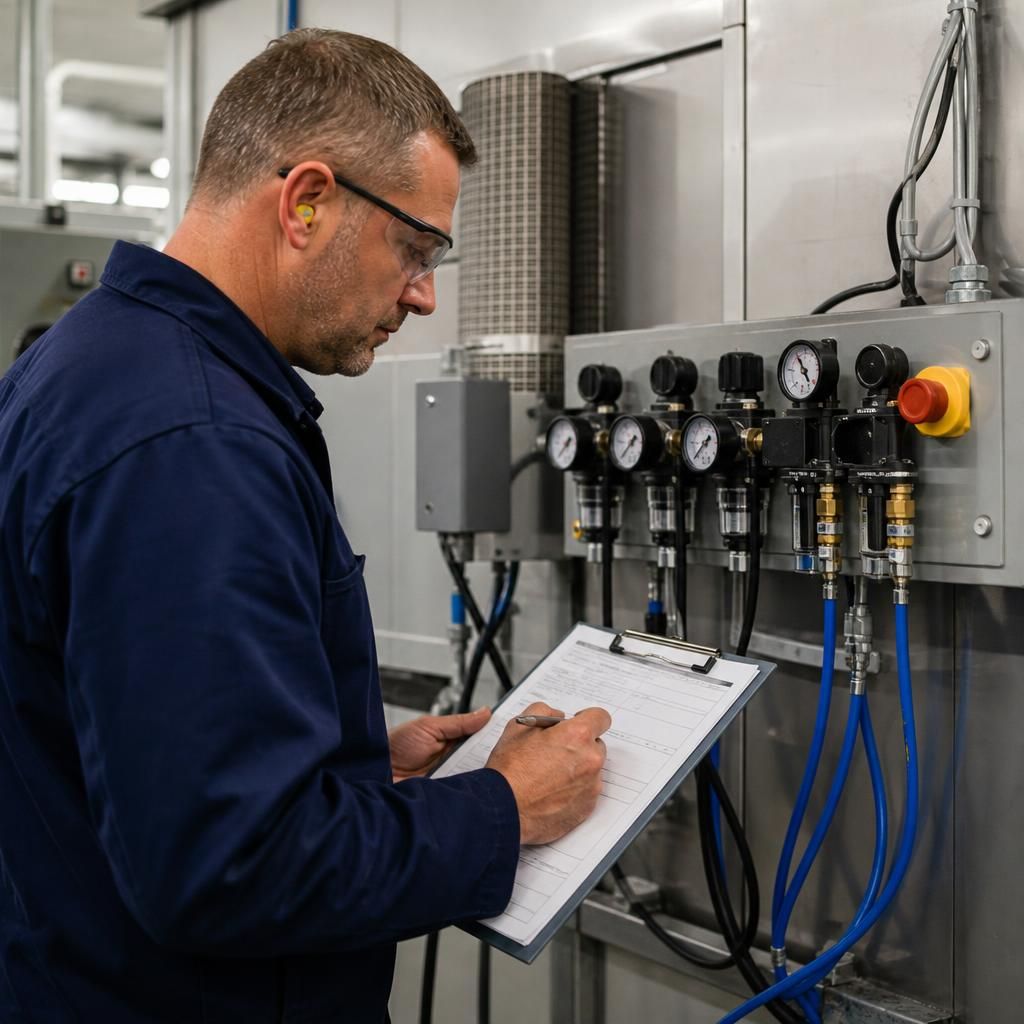
Operational fit includes the resources required to run the equipment, not just whether it can apply the coating. Assess the package’s total operating implications, including electrical demand, compressed-air use, powder consumption, filters and other consumables, cleaning materials, routine servicing and the labour needed for changeovers and checks.
Separate one-off installation costs from recurring requirements when comparing options. A package with a lower purchase price may be unsuitable if it depends on specialist consumables, creates excessive waste or requires more operator time than the site can provide. Ask for a clear schedule of consumables, recommended servicing tasks and utility requirements, then confirm that these can be supported within the operation’s existing purchasing, maintenance and staffing arrangements.
Discuss Your Powder Coating Equipment Package Requirements
Contact Powder-coating.co.uk to discuss your component range, production requirements and proposed equipment package. A focused conversation can help identify the information needed to assess operational fit before you commit to a specification.