

How does the application process of thermoplastic powder coating differ from traditional paint methods?
Thermoplastic powder coating is applied as dry powder, typically electrostatically, before heat melts it into a continuous film that solidifies on cooling. Traditional paint is applied as a liquid and forms its finish through solvent evaporation, water evaporation or chemical curing, so the preparation, application and finishing stages differ.
Thermoplastic powder coating differs from traditional paint mainly in how the coating is deposited, bonded and finished. The process uses solid polymer powder and relies on controlled heating, rather than applying successive liquid coats and allowing each layer to dry or chemically cure. This changes the requirements for surface preparation, equipment, thickness control, part handling and final inspection.
Surface preparation is essential in both processes, but the preparation route is selected to suit the coating system and the substrate. Metal components are normally cleaned to remove oil, grease, dust, mill scale and corrosion. Abrasive blasting, chemical cleaning or other suitable pretreatment may be used, followed by drying. Any residue or moisture can interfere with adhesion and may become trapped beneath the coating when the part is heated.
Traditional paint systems may use a primer to improve adhesion and corrosion protection, followed by one or more liquid topcoats. Thermoplastic systems can also require a primer or bonding layer where the substrate, service conditions or polymer demands it, but the powder is not simply substituted for a liquid coat. The specified preparation must account for the coating material, the component’s intended use and the application method.
The powder is applied using equipment suited to the component and polymer. Common approaches include:
- Electrostatic spray: powder particles are electrically charged and attracted to an appropriately prepared, usually conductive component. The deposited powder is held on the surface before heating melts it into a continuous coating.
- Fluidised-bed coating: the component is heated and immersed in a bed of powder suspended in air. Powder melts when it contacts the hot surface, making this method useful for suitable shapes and heavier coating builds.
- Flame-spray or specialised spray processes: powder is softened or melted during application and deposited onto the component. These methods can be selected for large, fixed or awkwardly shaped items where conventional booth application is impractical.
Liquid paint is generally atomised through a spray gun, brushed or applied by roller. The operator must manage wet-film flow, runs, sags, overspray and the time needed for solvents or water to leave the film. Powder application instead requires control of gun settings, powder flow, electrical charge, grounding, spray distance and access to edges, recesses and internal features.
Part temperature becomes a key process variable for thermoplastic coating. Depending on the polymer and chosen method, the component may be heated before application, after powder deposition, or during a combined spray-and-melt operation. The temperature must be high enough to melt and level the powder without damaging the substrate, masking materials or temperature-sensitive components. Heat distribution is particularly important on thick sections, thin sheet, corners and assemblies with different metal thicknesses.
With traditional paint, the applicator normally builds the finish through wet coats separated by flash-off or drying stages. With thermoplastic powder, the required film is formed by melting and flowing the deposited material. Excessive powder can produce an uneven or overly thick finish, while insufficient deposition can leave weak coverage on edges or exposed areas. Part geometry, electrostatic shielding and the ability of the equipment to reach recessed sections must therefore be assessed before production.
Masking and assembly planning also differ. Areas that must remain uncoated, such as threads, mating faces, electrical contact points, bores and identification surfaces, need suitable high-temperature masking where the process involves heating. Components may need to be disassembled so that powder does not bridge joints or restrict movement. Hangers and contact points should be positioned to provide secure support while limiting uncoated marks and maintaining electrical continuity during electrostatic application.
After melting, the coating must be allowed to flow and cool in a controlled manner. Thermoplastic materials solidify as they lose heat rather than forming a permanently cross-linked film. This means the handling stage matters: moving a part too soon can mark the surface, disturb edges or damage the still-soft finish. Once cooled, the coating is assessed for coverage, adhesion, appearance, thickness and defects appropriate to the specification.
Inspection should look for issues such as pinholes, contamination, poor edge coverage, impact marks, inclusions, incomplete fusion and areas missed by the application equipment. Thickness should be checked using a method suitable for the substrate and coating. Where a repair is required, the correct approach depends on the polymer, damage and service requirement; simply brushing liquid paint over a thermoplastic coating may not provide a compatible or durable repair.
For production work, the principal process differences can be summarised as follows:
- Material state: thermoplastic coating is supplied as dry polymer powder, whereas traditional paint is a liquid formulation.
- Deposition: powder may be electrostatically sprayed, applied in a fluidised bed or deposited through a heated spray process; paint is normally sprayed, brushed or rolled.
- Film formation: thermoplastic powder is melted and fused into a film; liquid paint forms a film as its carrier evaporates and, where applicable, its binder chemically cures.
- Process control: powder work focuses on charge, grounding, deposition, part temperature and cooling; paint work focuses on viscosity, wet-film application, flash-off, drying and intercoat compatibility.
- Handling: thermoplastic-coated parts must be protected until the coating has cooled sufficiently; painted parts must be protected during drying and curing.
- Rework: thermoplastic coatings can generally be softened by reheating, but the suitability of removal, recoating or local repair depends on the material and component.
For manufacturers and fabricators, the correct process is determined by the polymer specification, component design, required coating build, operating environment and available application equipment. A coating schedule should define preparation, masking, application method, heating conditions, inspection criteria and handling requirements before a batch is processed. That documented approach helps maintain consistent coverage across individual parts while accounting for differences in size, geometry and thermal mass.
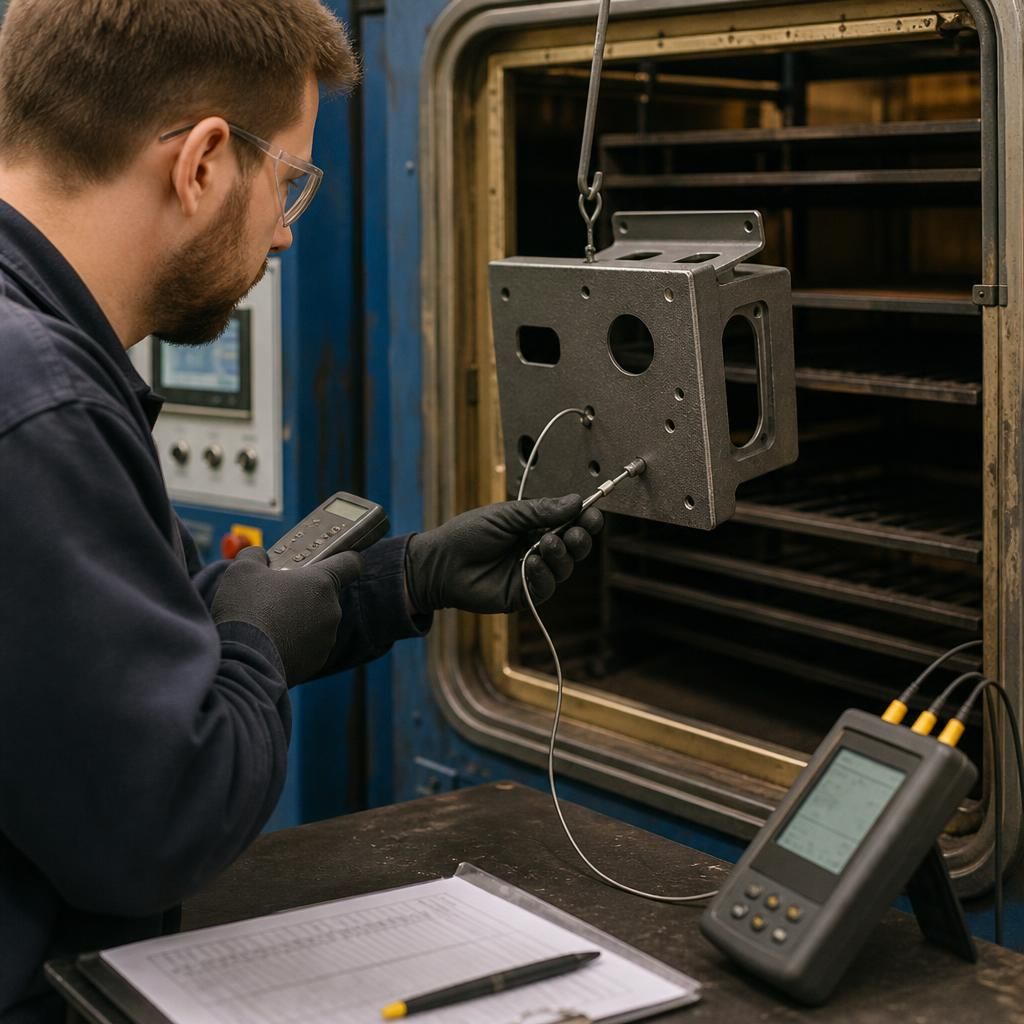
A practical difference is the need to validate the complete heat cycle before processing a production batch. A representative component or test piece can be used to confirm that the selected powder reaches the required melt and flow condition without affecting the substrate, masking or assembled features. The first coated item should then be checked against the specification before the same settings are applied across parts with different thicknesses or thermal mass.
This validation helps distinguish an application fault from a design or preparation issue. For example, incomplete fusion may indicate insufficient heat, while distortion or damage may indicate excessive exposure. Recording the application method, material batch, part temperature and inspection findings provides a clearer process record than relying solely on the appearance of a wet liquid coat.