

What are the environmental benefits of using powder coated steel tubes?
Powder coated steel tubes can reduce environmental impact through a solvent-free application process that produces very low volatile organic compound (VOC) emissions and allows unused powder to be recovered where suitable. The tough, long-lasting finish also helps protect the steel from corrosion, extending service life and reducing the need for replacement materials and repeat coating.
The environmental benefits of powder coated steel tubes arise mainly from material efficiency, reduced hazardous waste and improved lifecycle performance. Because the coating is applied as a dry powder and cured onto the steel, it can provide a lower-impact alternative to some liquid coating systems, provided the preparation, curing and transport stages are managed responsibly.
Reduced use of solvent-based materials
Powder coating does not require the same volume of liquid solvent carrier used by many conventional wet-paint systems. This reduces the handling and disposal of solvent-containing materials and limits the environmental risks associated with solvent storage, spills and contaminated cleaning materials. The process still requires suitable preparation products, so its environmental performance should be assessed across the complete treatment system rather than the powder alone.
Efficient use of coating material
Dry powder can be applied in a controlled, even layer to the external surfaces of steel tubes. Where the equipment and production process allow, airborne or excess powder can be collected and reused. This helps reduce material sent to waste and makes better use of the coating purchased. Recovery and reuse must be controlled carefully, however, because mixing colours, formulations or contaminated powder can affect finish quality and may make reuse unsuitable.
Less waste during handling and application
Powder coating is supplied as a dry product, avoiding much of the water and solvent content associated with liquid coatings. This can reduce the volume of liquid coating waste generated during application and equipment cleaning. Proper segregation remains important: unused powder, contaminated powder, packaging and preparation residues may need to be handled through different waste routes.
Support for a longer product lifecycle
A durable finish can help steel tubes remain suitable for their intended use for longer before refurbishment or replacement is needed. From an environmental perspective, retaining an existing tube avoids the energy and raw materials involved in manufacturing, transporting and preparing a replacement. This benefit is greatest when the coating specification is matched to the exposure conditions, including moisture, outdoor weathering, abrasion and any chemicals encountered in service.
Compatibility with steel recycling
Steel tubes remain part of an established recyclable material stream after their working life. A powder coating does not prevent the steel from being processed through appropriate recycling systems, although recyclers may manage coated steel according to their own requirements. Keeping the steel component in use and then directing it to suitable recycling supports better resource efficiency than disposing of the complete item as general waste.
Considerations when selecting a lower-impact specification
- Choose a coating system suited to the tube’s actual environment so that unnecessary recoating or premature replacement is avoided.
- Use an application process with effective powder collection where recovery is technically appropriate.
- Confirm how pretreatment chemicals, overspray, packaging and other residues will be segregated and disposed of.
- Consider the energy used for curing, particularly for large batches, and ask whether the process is configured to avoid unnecessary heating of empty oven space.
- Plan tube dimensions, batch sizes and collection or delivery arrangements carefully to reduce avoidable handling and transport.
- Specify only the performance and appearance requirements needed for the application, rather than using an unsuitable or unnecessarily complex coating system.
There are environmental impacts to account for: powder must be manufactured and transported, curing requires heat, and surface preparation can involve chemicals and water. The most credible assessment therefore considers the whole process, from steel preparation and coating application through to service life and end-of-life recycling. For businesses commissioning coated steel tubes, discussing these stages with the coating provider can help identify practical ways to reduce waste while retaining the required technical performance.
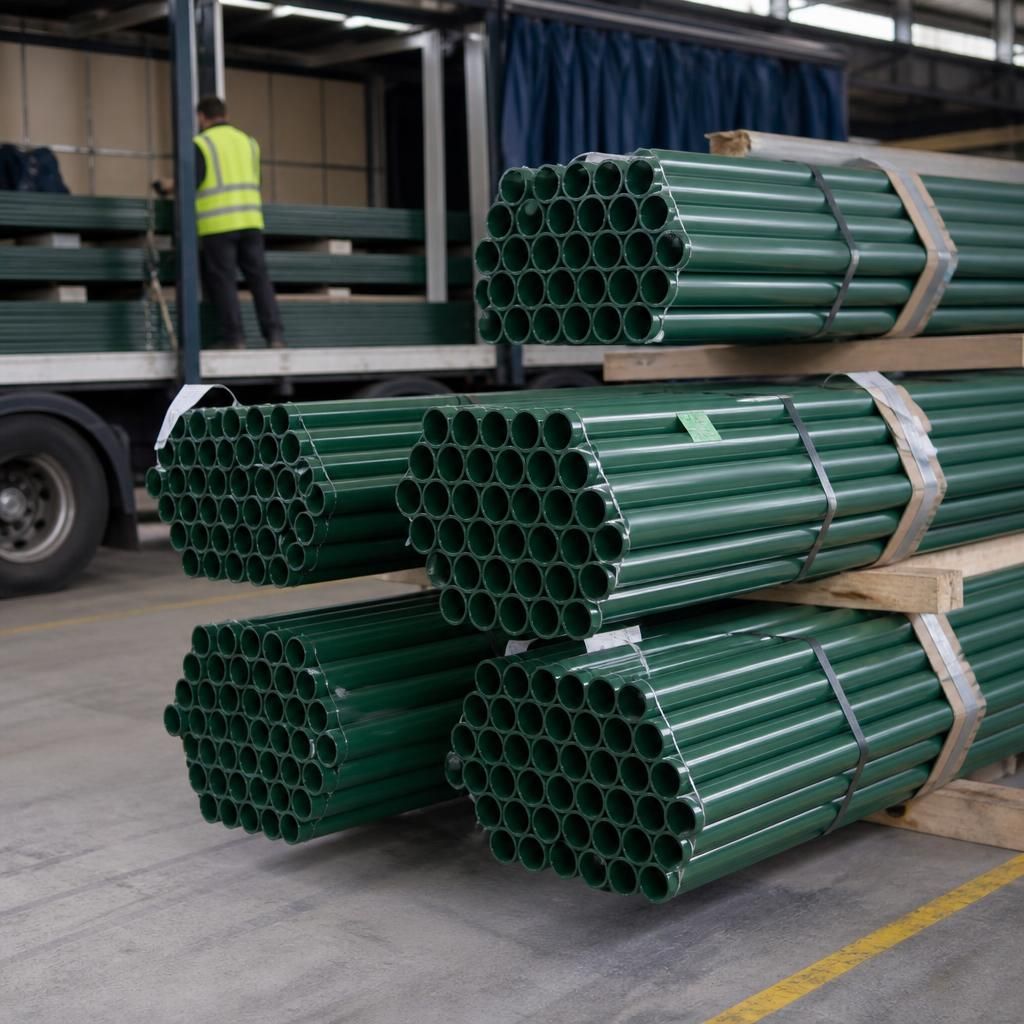
Factory-applied powder coating can reduce the environmental disruption associated with coating steel tubes on a construction or manufacturing site. The finished tubes arrive ready for their intended installation, which can reduce the need to set up local spraying areas, store liquid coating materials and manage application residues at the point of use.
This approach also makes environmental controls more consistent. Surface preparation, powder application and curing can be carried out within managed process areas, where overspray, packaging and preparation residues are easier to separate and handle through appropriate waste routes. The benefit depends on the supplier operating suitable controls and on the tubes being specified correctly for their service environment.
Discuss the environmental considerations for your steel tubes
If you are assessing the environmental impact of powder coated steel tubes, discuss the required service conditions, pretreatment and curing process with a coating provider. This will help you select a technically suitable specification while identifying practical ways to control waste and resource use.