

How does epoxy primer for metal improve the durability of powder-coated finishes?
Epoxy primer for metal improves the durability of powder-coated finishes by creating a strongly bonded, corrosion-resistant foundation between the metal substrate and the powder coat. This additional barrier helps protect components from moisture, chemicals and mechanical wear, reducing the risk of under-film corrosion and premature coating failure.
Epoxy primer for metal improves the durability of a powder-coated finish by stabilising the interface between the substrate and the topcoat. Rather than relying on the powder layer alone to protect the component, the coating system uses the primer to provide consistent coverage over the prepared metal, support adhesion and reduce the likelihood that small defects will develop into larger areas of coating failure.
This is particularly important on fabricated components with welds, edges, recesses, drilled areas or variations in surface texture. Powder can form a durable outer film, but its performance depends on how well the complete system covers and remains attached to these features. An epoxy primer can help create a more uniform surface for the powder coat, reducing weak points where the finish may otherwise be thinner or less securely attached.
The primer also helps the coating system tolerate changes in service conditions. Metal components can expand and contract as temperatures change, while handling, assembly and use may subject the finish to localised impacts or abrasion. A suitably specified primer can improve the resilience of the interface so that the topcoat is less likely to lift, blister or separate when the component is exposed to these stresses. The result depends on selecting a compatible primer and powder system rather than simply adding an extra layer.
Surface preparation remains fundamental. Oil, grease, mill scale, rust, dust and other contaminants can prevent the primer from making proper contact with the metal. Cleaning, preparation and any required chemical pre-treatment must therefore be appropriate to the substrate and its condition. Poor preparation can leave contamination beneath the primer, creating a concealed weakness that may shorten the service life of the entire finish. Edges, weld areas and joints also require careful attention because they are common points for incomplete coverage.
Application control affects durability in several ways:
- Consistent film thickness: The primer must provide sufficient coverage without creating runs, sags or other defects that can interfere with the powder layer.
- Correct recoat or overcoating conditions: The powder coat must be applied within the primer system’s specified compatibility and application requirements.
- Suitable curing: The primer and powder topcoat need to reach their required cure conditions. Inadequate or excessive curing can affect hardness, adhesion and overall coating performance.
- Complete coverage: Corners, edges, apertures and concealed faces should be considered in the coating plan, particularly where the component will face moisture or aggressive service conditions.
- Controlled handling: Parts should be protected from contamination and damage between preparation, priming and powder coating.
Epoxy primer is not automatically the right choice for every metal component. The specification should reflect the substrate, intended use, exposure conditions, appearance requirements and the type of powder topcoat being applied. Factors such as outdoor exposure, contact with industrial contaminants, immersion, cleaning chemicals and elevated temperatures may influence whether a particular epoxy formulation is suitable. The primer’s technical data should be checked alongside the powder manufacturer’s requirements to confirm compatibility, curing and recoating parameters.
The completed system should be assessed as a whole rather than judging the powder layer in isolation. Visual inspection can identify pinholes, missed areas, contamination, runs and edge defects, while adhesion and film-thickness checks can help confirm that the applied system meets the agreed specification. Where components are safety-critical, exposed to demanding conditions or produced in batches, documented preparation and application controls provide a more reliable basis for consistent durability.
In practical terms, epoxy primer extends the useful life of a powder-coated finish when it is part of a correctly designed and controlled coating system. It cannot compensate for unsuitable materials, poor preparation, incorrect curing or damage during handling. For industrial metal components, the most durable result comes from matching the primer and powder coat to the service environment, preparing every surface thoroughly and maintaining consistent application standards.
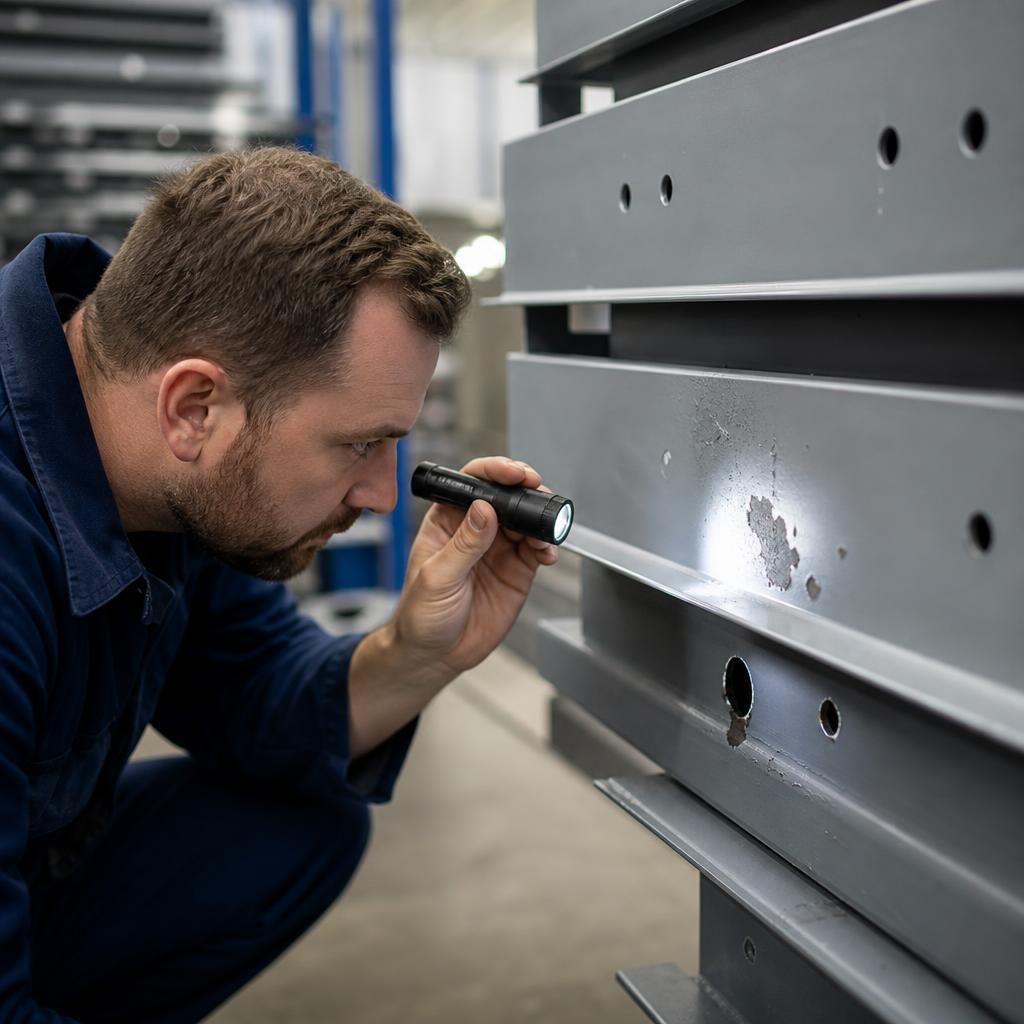
One practical benefit of an epoxy primer beneath powder coating is that it makes coating damage easier to assess. If abrasion or impact reaches only the powder layer, the primer may still separate the exposed area from the metal substrate. If the damage cuts through both layers, however, the bare metal should be inspected and repaired using a compatible system before moisture can initiate corrosion.
This layered approach supports more controlled maintenance because the visible defect can be considered alongside the condition of the primer and substrate. Inspection should pay particular attention to impact points, handling marks, fastener areas and locations where components experience repeated contact. Repair materials and preparation methods should be checked for compatibility with the original epoxy primer and powder coat, rather than applying an unrelated coating over the damage.
Discuss Epoxy Primer for Metal and Powder-Coated Durability
If you are assessing an epoxy primer and powder-coating specification, discuss the substrate, service environment and required finish with a specialist before production begins. Powder-coatings.co.uk can help review the coating system needed for your metal components.