

What are the cost factors involved in powder coating services?
The cost of powder coating services depends on the condition and preparation required for the metal, the specified coating and finish, the size and complexity of the components, and the batch quantity. Handling requirements, specialist coatings and collection or delivery arrangements can also affect the final quotation.
Powder coating costs are determined by the total work required to process, finish, inspect and return the components, rather than by the powder material alone. A quotation may therefore include production setup, masking, fixturing, curing requirements, quality checks, packaging and any additional operations needed to meet the specification.
Pricing basis and minimum charges
Coaters may calculate work by item, surface area, weight, production time or a combination of these methods. Smaller jobs can be affected by minimum order or setup charges because the coating line still requires preparation, loading and cleaning even when only a limited number of parts are processed. The most suitable pricing basis depends on the component design and the information available for the quotation.
Masking, plugging and fixturing
Areas that must remain free from powder, such as threads, bores, mating faces or electrical contact points, may require masking or temporary plugs. Components also need to be supported securely during application and curing. Custom hooks, racks or other fixtures can add a cost where standard supports cannot hold the parts without marking critical surfaces or affecting the coating result.
Colour changes and line preparation
Changing between powder colours or specifications can require additional cleaning and setup to prevent contamination between jobs. This is particularly relevant where a project involves several colours or where the appearance must remain consistent across separate production runs. Combining compatible work within one production sequence may reduce duplicated setup, although the practical suitability depends on the parts and specification.
Curing and process requirements
The curing cycle is determined by the powder system, metal substrate and component design. Parts requiring a longer or more demanding cure can use more oven capacity and energy. Assemblies that contain areas of different thickness may also need careful process control so that the coating cures correctly throughout the component. These technical requirements can influence the quotation even when the visible finish appears straightforward.
Inspection and documentation
Basic visual inspection is different from a project requiring recorded checks. Depending on the application, the specification may call for coating thickness measurements, adhesion checks, colour comparison, cure verification or photographs and batch records. Additional inspection and documentation add labour and administration, but may be necessary for components used in controlled manufacturing or construction environments.
Packaging and presentation
Finished parts need suitable protection against rubbing, impact and contamination during storage and transport. Individual wrapping, separators, bespoke packaging or returnable containers can increase the total cost. Packaging requirements are especially important for components with visible surfaces, sharp edges or close-tolerance interfaces, where contact between parts could damage the finished coating.
Rework and non-conformance risk
Extra costs can arise if a component needs to be stripped, recoated or inspected again because it does not meet the agreed requirements. Clear drawings, approved samples, defined masking zones and stated acceptance criteria help reduce uncertainty. It is also important to identify whether the quotation covers rework caused by supplied components, changes to the specification or damage after coating, as these may be treated differently.
Information needed for an accurate quotation
- Drawings, photographs or a representative sample of the components
- The metal substrate and any areas that must remain uncoated
- Required coating system, colour reference and appearance standard
- Inspection, testing and documentation requirements
- Packaging instructions and any restrictions on stacking or contact
- Whether components arrive assembled, supplied loose or require additional operations
The lowest initial quotation is not necessarily the lowest overall cost. A price that excludes inspection, suitable packaging or required masking may lead to additional charges or avoidable rework. Comparing quotations on the same technical specification, acceptance criteria and scope of work provides a more meaningful assessment of value. For a commercial powder coating project, supplying complete technical information allows the quotation to reflect the actual process rather than an assumption based only on the number of parts.
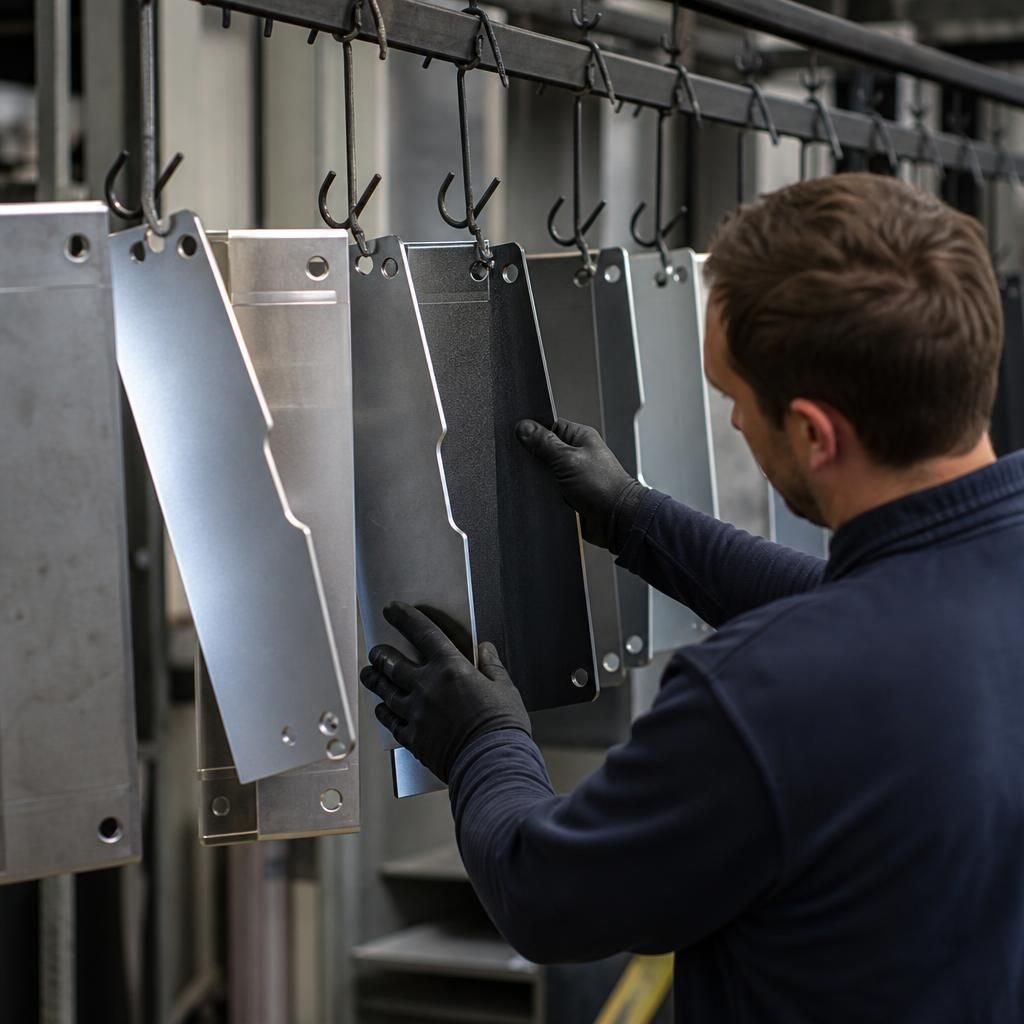
The metal substrate can affect powder coating cost because steel, aluminium and galvanised components may require different preparation and process controls. Surface condition, existing finishes, corrosion, weld areas and contamination can determine whether additional treatment is needed before powder application. Galvanised parts may also require specific preparation to achieve a suitable surface, while aluminium components need handling that avoids damage or contamination.
Providing the substrate type and details of any previous coating helps the coater assess compatibility before pricing the work. It also reduces the risk of selecting an unsuitable preparation method or coating system, which could otherwise lead to extra processing, rejected parts or rework.