

What are the benefits of using nylon coatings for metal components?
Nylon coatings provide metal components with a tough, wear-resistant surface that helps reduce damage from abrasion, impact and repeated handling. They can also offer chemical resistance, reduced friction and a smooth, cleanable finish, making them suitable for components exposed to demanding industrial use.
Nylon coatings benefit metal components by creating an insulating, protective polymer layer that separates the substrate from its operating environment. In addition to their resistance to wear and chemicals, they can help control corrosion, reduce noise, improve handling safety and extend the practical serviceability of components used in manufacturing, construction and automotive applications.
Protection against corrosion
A continuous nylon layer can reduce the contact between metal and moisture, salts or other corrosive contaminants. This is particularly useful where a component may be exposed to condensation, wash-down processes or outdoor conditions. The coating does not remove the need for suitable metal preparation or correct treatment of damaged areas, but it can act as an additional barrier when applied with appropriate coverage and adhesion.
Electrical insulation
Nylon is electrically insulating, so it can be used where a metal component needs separation from an electrical current or from adjacent conductive parts. This may be relevant to brackets, supports, enclosures, clips and other fabricated components used near electrical equipment. The required dielectric performance depends on the nylon formulation, coating thickness, substrate preparation and the conditions in which the component will operate.
Reduced noise and vibration transfer
The polymer layer can provide a degree of cushioning between metal surfaces. This may reduce rattling, contact noise and the transmission of vibration in assemblies containing moving or contacting parts. Nylon-coated components can therefore be useful for guides, supports, fixtures and handling equipment where direct metal-to-metal contact would create unwanted noise or surface damage.
Improved handling and contact safety
A nylon surface can make metal parts more comfortable and safer to handle by covering sharp-feeling metallic contact areas and providing a less conductive outer surface. It can also reduce the likelihood of a bare metal component marking an adjoining surface. The coating specification still needs to account for edges, threaded sections, mating faces and any areas that must remain uncoated for assembly.
Protection of mating and finished surfaces
When coated parts come into contact with painted, polished or otherwise finished surfaces, nylon can act as a sacrificial interface between them. This helps limit direct metal contact and can reduce the risk of scuffing or transfer during assembly, storage or use. Coating thickness is important: excessive build-up may affect clearances, fastener engagement or the fit of precision components.
Consistent coverage on suitably prepared components
Nylon can be applied as a continuous coating over appropriately prepared metal, including shapes where a liquid coating would be difficult to control. The final result depends on cleaning, degreasing, removal of scale or corrosion, masking and the selected application process. Correct preparation is essential because contamination or poor adhesion can undermine the benefits of the nylon layer.
Useful appearance and identification options
Nylon coatings can provide a consistent coloured finish, allowing components to be identified by function, location or assembly stage where the coating system permits it. Colour can also help distinguish coated contact areas from surfaces that require machining, welding or electrical connection. Appearance should be treated as a secondary benefit unless the specified nylon grade is designed to retain its finish under the intended environmental conditions.
Points to assess before specifying nylon
- Identify the component’s operating temperature, moisture exposure and contact with oils, solvents or cleaning agents.
- Define which faces, holes, threads and mating surfaces must remain free of coating.
- Confirm the permitted coating thickness and tolerances for assembly.
- Check whether the required electrical, corrosion or surface-contact performance is supported by the selected nylon system.
- Assess the metal substrate and ensure it can be prepared without affecting its dimensions or function.
Nylon is therefore most beneficial when a metal component needs more than a decorative finish: it can provide electrical separation, environmental isolation, cushioning and controlled contact characteristics alongside the protective properties expected from an industrial coating. The correct grade, thickness and preparation method should be selected according to the component’s materials, geometry and service conditions rather than treating nylon as a universal coating for every application.
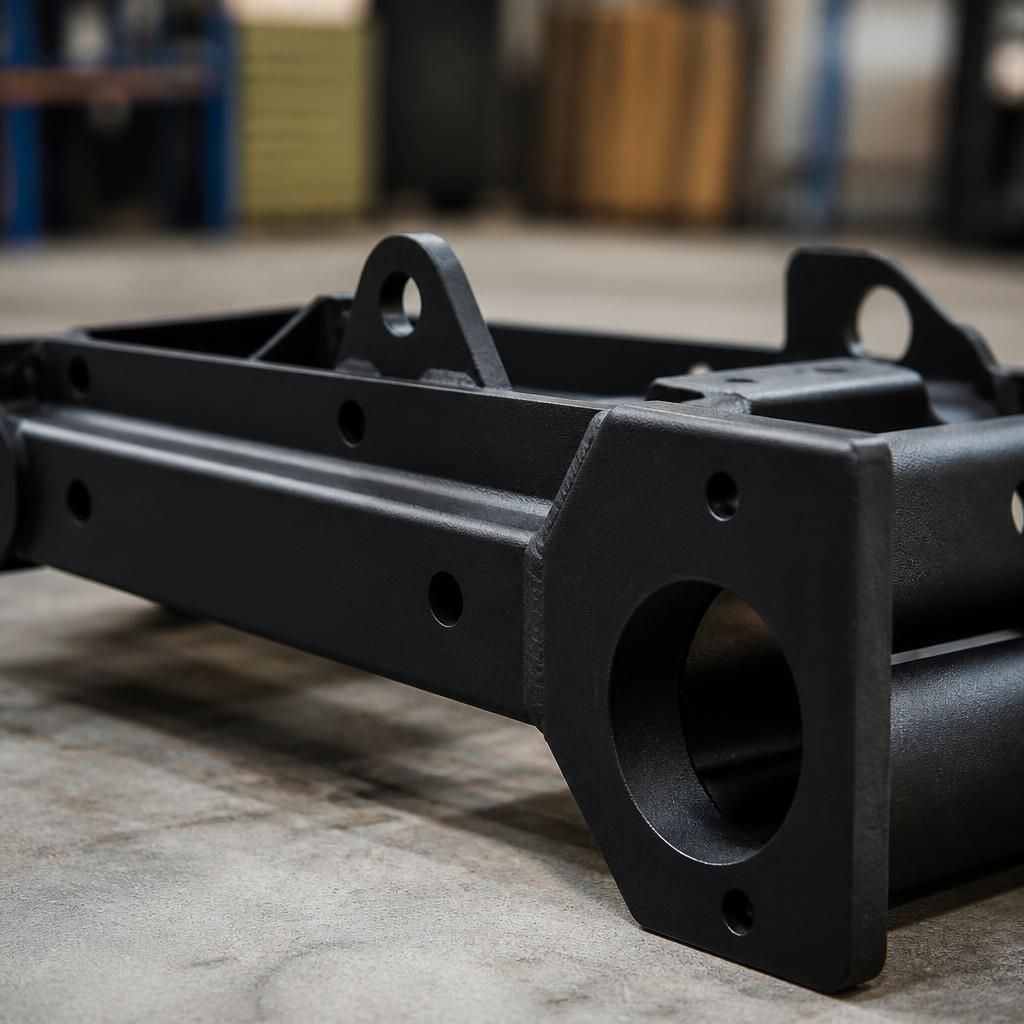
Nylon coatings can help limit galvanic interaction where dissimilar metals are used in the same assembly. By placing an electrically insulating layer between a coated metal component and an adjoining conductive surface, the coating can reduce direct electrical contact that may contribute to galvanic corrosion in the presence of moisture.
This benefit depends on continuous coverage and correct design of the assembly. Uncoated edges, fasteners, drilled holes, scratches or areas where the coating has been removed can still create conductive contact. For this reason, the coating specification should identify mating surfaces and connection points, while the selected thickness and masking plan should preserve the component’s required fit and function.
Discuss your nylon coating requirements
If you are assessing nylon for a metal component, discuss its substrate, geometry, operating conditions and coating requirements with the powder-coating team. This will help establish whether a nylon coating is suitable and identify the appropriate preparation and application specification.