

What maintenance is required for powder coated steel and aluminium products to ensure longevity?
Maintain powder coated steel and aluminium products by washing them with clean water and a mild detergent, using a soft cloth or sponge rather than abrasive tools or harsh chemicals. Inspect the finish periodically for chips, scratches, corrosion or damaged seals, and arrange suitable repairs promptly to prevent moisture and contamination from reaching the underlying metal.
Longevity depends on keeping the coating free from prolonged contamination, mechanical damage and trapped moisture, while ensuring that the underlying steel or aluminium is not exposed to conditions the finish was not designed to withstand. Maintenance should therefore combine routine care, sensible use, drainage control and prompt treatment of defects.
Control the surrounding conditions. Remove deposits that can hold moisture against the surface, particularly mud, road film, bird droppings, salts and industrial fallout. These contaminants can become more aggressive as they dry or accumulate. Products installed near roads, coastal areas, chemical handling zones or heavy industry may need a more closely managed maintenance regime than components used in a clean, sheltered environment.
Keep water moving away from the coating. Check that drainage holes, channels, joints and vents remain clear. Water trapped behind brackets, folded edges, glazing components or horizontal sections can undermine the finish and encourage corrosion at damaged areas. Where components are assembled, inspect interfaces and overlaps rather than assessing only the visible face.
Prevent mechanical damage during use and servicing. Do not drag metal parts across powder-coated surfaces, rest sharp tools against them or allow fasteners, cables and adjacent components to rub repeatedly against the finish. Use suitable protective pads during installation, transport and maintenance work. Any adjustment that causes recurring impact or abrasion should be corrected at source, rather than relying on repeated cosmetic repairs.
Check fixings and adjoining materials. Loose fasteners can permit movement, fretting and water entry. Dissimilar metals in contact with one another can also create galvanic corrosion in damp conditions, especially where the coating has been breached. Inspect washers, brackets, hinges and other interfaces for staining, powdering or moisture retention, and use compatible materials and suitable isolation where the application requires it.
Deal with surface damage appropriately. A small mark should not simply be covered with an incompatible paint or sealant. The repair method depends on the coating type, colour, substrate, location and severity of the defect. Light damage may be suitable for a controlled local repair, whereas exposed steel, corrosion beneath the film, loss of adhesion or damage across an edge may require removal of unsound material and professional assessment. Aluminium should also be checked for pitting or surface deterioration before a repair is specified.
When a component is repaired or altered, the surrounding area should be protected from contamination and the replacement material should be compatible with the existing finish. A colour match may vary with coating age, exposure and batch, so a repaired area may remain visible even when its protective function has been restored.
Use a planned maintenance record. For business-critical components, record the location, substrate, coating specification and installation conditions, then note cleaning, inspections, damage and remedial work. This helps identify recurring problems such as water retention, impact points or unsuitable contact materials. Maintenance intervals should be based on exposure and use rather than applied uniformly to every installation.
For batch-manufactured or fabricated products, maintenance requirements should also be considered at the design and assembly stage. Rounded edges, effective drainage, accessible faces and protected contact points make the finished item easier to maintain and reduce the likelihood of premature coating failure. Where the finish is exposed to an unusually harsh environment or a defect extends beyond the surface film, obtain advice from a powder-coating specialist before attempting extensive remedial work.
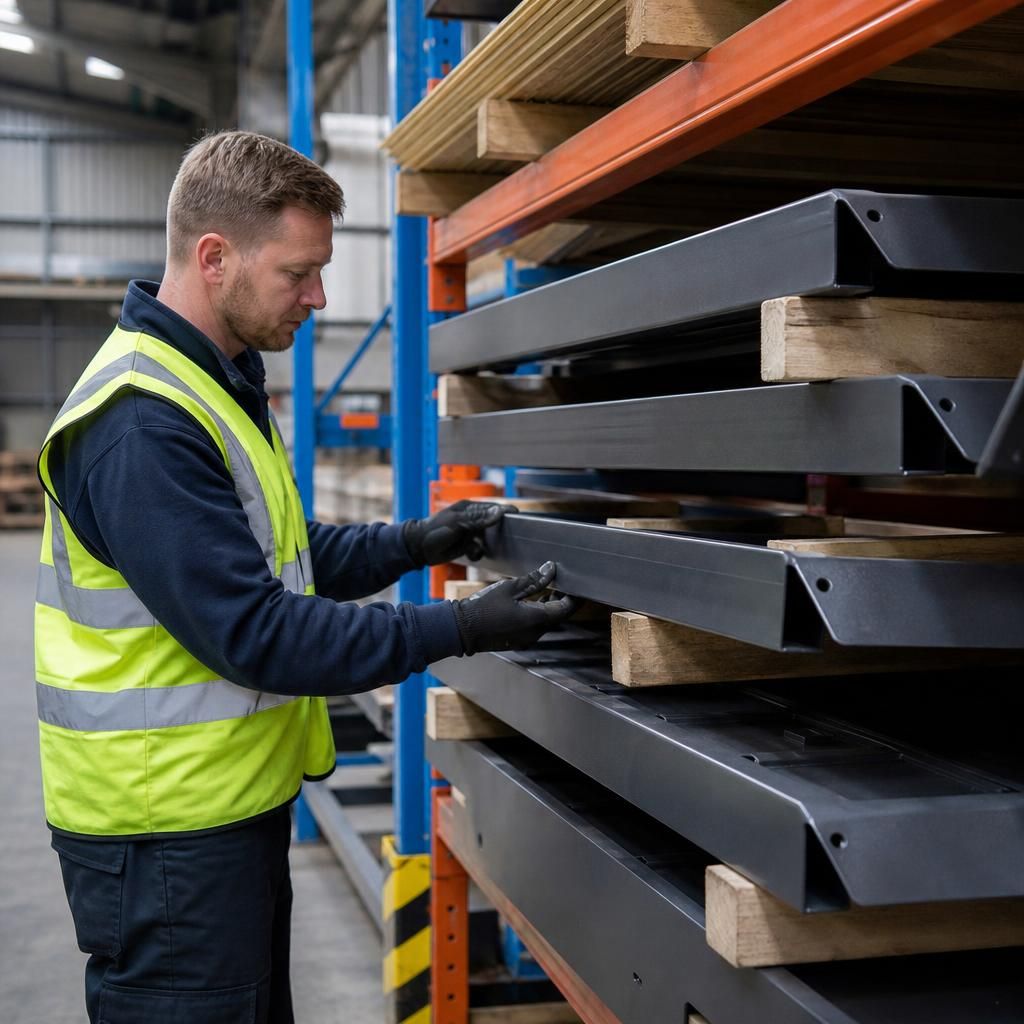
Maintenance begins before powder coated steel or aluminium products are installed. Store components in a clean, dry and ventilated area, supported so that finished faces do not rub against one another or rest in standing water. Avoid packaging arrangements that trap condensation against the coating, and separate parts where contact could cause scuffing or pressure marks.
After unpacking, check the finish for damage caused during handling or storage, including abrasions at edges, marks beneath supports and moisture staining. Any defect should be assessed before the product is assembled, because concealed damage can allow moisture to reach the substrate once the component is in service.
Discuss maintenance requirements for your powder coated products
If you need advice on maintaining, repairing or specifying a finish for powder coated steel or aluminium products, discuss the application and operating environment with a powder-coating specialist. Provide details of the substrate, coating condition and exposure so that suitable maintenance or remedial work can be considered.