

What are the key environmental factors to consider when selecting a protective primer for powder coated surfaces?
When selecting a protective primer for powder coated surfaces, assess the conditions the repaired coating will face, including moisture, humidity, UV exposure, chemicals, temperature changes and abrasion. The primer must be compatible with the existing powder coating and provide suitable adhesion and corrosion protection for that environment.
Environmental selection means matching the protective primer to the complete service environment, not simply choosing a product described as suitable for metal. A repair on a sheltered indoor component may require a different primer from one exposed to coastal salt, industrial pollution, standing water or partial immersion. The decision should consider the exposure category, the metal substrate, the condition of the existing powder coating, application conditions and the maintenance expected during the component’s service life.
Exposure severity and location
Consider where the coated component will be installed and how directly it will be exposed. A sheltered internal frame, an external architectural item, plant near a process area and equipment close to the coast can experience very different forms of degradation. Coastal locations may deposit salt on the surface, while industrial or agricultural settings can introduce airborne pollutants, fertilisers, cleaning residues or other corrosive contaminants. The primer should be selected against the most demanding realistic exposure rather than the average conditions.
Also assess whether the component is protected by a roof or enclosure, whether air can circulate around it and whether contaminants can be washed away naturally. Poorly ventilated recesses, joints and enclosed sections can retain contamination and remain exposed for longer than adjacent open surfaces.
Water retention, immersion and drainage
Rainfall alone is not the only issue. Water retained in seams, behind brackets, around fixings or on horizontal surfaces can create a more aggressive local environment than the surrounding coating. If a repaired area may experience regular splash, persistent dampness, wash-down procedures or intermittent immersion, select a primer whose technical documentation covers that type of service. A product intended for general atmospheric exposure should not automatically be assumed to be suitable for continuous contact with water.
Design details matter as well. The primer cannot compensate fully for a location that traps water or debris. Where possible, check drainage, joint design, edge condition and access for inspection before specifying the repair system.
Salt, chemicals and surface deposits
Deposits left on a damaged area can continue to affect the repair even after visible dirt has been removed. Soluble salts are particularly important because they can attract water and promote corrosion beneath a coating. The preparation process should therefore address contamination as well as loose coating and corrosion products. Where the component is exposed to process chemicals, fuels, oils, detergents or disinfectants, check the primer’s resistance data for the actual substance, concentration, contact time and cleaning regime.
A general statement that a primer is “chemical resistant” is not enough for a demanding application. The technical data should be reviewed alongside the powder coating specification, because the primer and topcoat form one repair system.
Substrate and corrosion mechanism
Identify the metal beneath the damaged powder coating before choosing the primer. Steel, galvanised steel, aluminium and mixed-metal assemblies present different adhesion and corrosion-control considerations. Bare steel may require a system focused on preventing underfilm corrosion, whereas galvanised or aluminium surfaces may need careful treatment of the existing surface and a primer designed for that substrate.
Pay attention to exposed edges, scratches, drilled holes, welds and crevices. These areas may have different surface chemistry and geometry from the surrounding powder coat. If dissimilar metals are joined, the possibility of galvanic corrosion should also be considered, particularly where contamination or persistent dampness can create an electrically conductive path.
Application conditions at the repair location
The environment during preparation and application can be as important as the environment in service. Condensation, airborne dust, oil vapour and inadequate ventilation can affect the formation of the primer film. The metal should be sufficiently above the local dew point to prevent invisible condensation during application and early curing. Follow the product data sheet for permitted substrate and air conditions, recoat intervals, film thickness and curing requirements.
This is especially relevant when a repair is carried out on large fabricated parts or components that have been moved between warmer and cooler areas. A surface can appear dry while still carrying a thin film of condensation. If the specified application conditions cannot be maintained, the selected product may not deliver the intended protective performance.
Service movement and temperature cycling
In addition to the general operating conditions, consider how the component moves or flexes in use. Vibration, repeated loading, joint movement and differences in expansion between the metal, primer and powder coating can place stress on the repaired area. A rigid primer may be unsuitable where the repair crosses a moving joint or a flexible assembly. The system should be assessed for adhesion and flexibility in relation to the component’s construction.
Maintenance and inspection requirements
Primer choice should reflect how the finished item will be cleaned, inspected and repaired in the future. Frequent pressure washing, abrasive cleaning or strong detergents can place greater demands on the repair system than occasional low-impact cleaning. Establish whether the area can be inspected easily and whether early signs of edge lifting, blistering or corrosion will be visible.
For a critical or unusually exposed component, a small test area can help confirm wetting, adhesion, appearance and recoat behaviour before the full repair is undertaken. The result should be judged after the specified cure period and, where appropriate, under representative cleaning or exposure conditions.
In practice, the selection process should combine the site exposure, contamination risk, water behaviour, substrate, application conditions and maintenance regime. Review the primer’s technical data sheet and safety information, confirm its intended use with the powder coating system, and record the preparation and curing requirements. This provides a more reliable basis for selecting a protective primer than relying on a broad label such as “industrial” or “corrosion resistant”.
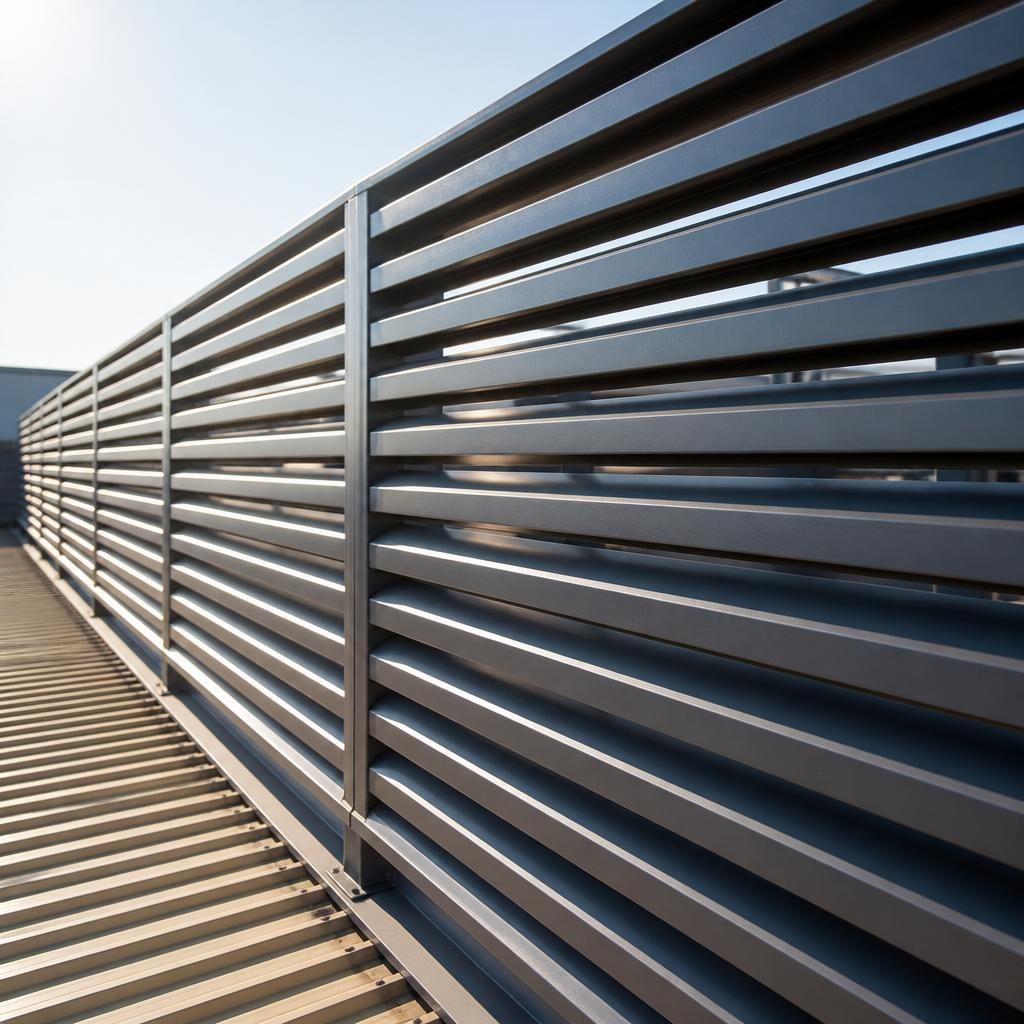
Ultraviolet exposure is an important consideration for repairs on externally positioned powder-coated surfaces. Although the primer is normally covered by the powder coating or a compatible repair topcoat, sunlight can contribute to fading, chalking and loss of film performance if the repair system is not intended for the exposure. South-facing, elevated or unobstructed surfaces generally receive more direct sunlight than shaded areas, so the primer and topcoat should be assessed as a complete system.
Check the technical documentation for outdoor durability, UV resistance and any limitations relating to solar heating. The repair should also match the existing finish closely, because differences in weathering between the original coating and repaired area may become more noticeable over time. Where the component has mixed exposure, select the system for the most exposed sections rather than relying on performance data for sheltered conditions.