

How can electrostatic recoating improve the efficiency and lifespan of industrial equipment?
Electrostatic recoating applies a charged powder to a prepared metal surface, producing a durable, even finish that restores protection against corrosion, abrasion and general wear. By extending the usable life of components and reducing the need for frequent replacement or remedial work, it can improve equipment efficiency and help control maintenance demands.
Electrostatic recoating can improve industrial equipment efficiency and lifespan by applying a controlled powder layer to sound, properly prepared metal, helping the component retain its protective and functional surface for longer. The process is most effective when the existing coating is assessed carefully, damaged areas are removed, and the replacement finish is matched to the equipment’s operating conditions.
Efficiency improvements begin during application. Electrostatic spraying gives the powder particles an electrical charge, while the metal component is oppositely grounded. This creates an attraction between the powder and the component, helping the coating adhere to exposed and contoured areas before curing. Compared with an uncontrolled application, this can support more consistent coverage and reduce avoidable overspray. The result is a more repeatable coating process for batches of brackets, housings, panels, frames and other fabricated parts.
Application efficiency depends on the component’s shape and the skill of the coating operator. Recesses, sharp edges, deep corners and areas shielded by other surfaces can be more difficult to coat evenly. Gun settings, distance, powder flow, voltage, earthing and movement technique therefore need to be adjusted for the part rather than treated as fixed settings. Proper control helps reduce thin areas, excessive build-up and rework.
Electrostatic recoating can also improve production efficiency by giving previously used components a practical route back into service. A component may not require replacement simply because its coating has deteriorated. If the metal remains dimensionally sound and free from unacceptable corrosion or distortion, recoating can restore its surface condition while preserving the underlying part. This is particularly relevant where replacement parts are difficult to source, require additional fabrication or would involve changes to an established assembly.
The effect on service life comes from matching the coating system to the conditions the equipment will face. Factors include exposure to moisture, outdoor weather, chemicals, cleaning agents, impact, abrasion, heat and repeated handling. A finish selected for a sheltered indoor enclosure may not be suitable for an exposed structural component or a part subjected to frequent contact. The coating should therefore be specified according to the environment, substrate and required performance rather than selected on appearance alone.
Preparation is central to long-term performance. Before recoating, the component should be inspected for:
- loose, flaking or poorly bonded existing coating;
- rust, scale, oil, grease and other contaminants;
- sharp edges, weld spatter, dents or surface defects;
- corrosion that has reduced the metal’s thickness or strength;
- masked areas, threaded features and close-tolerance interfaces that must remain clear; and
- damage that indicates an underlying mechanical or structural problem.
Cleaning and surface preparation remove contaminants and provide a suitable profile for adhesion. Where the original coating is unstable, coating over it can cause premature failure even if the new surface initially looks satisfactory. Recoating should not be used to conceal significant structural corrosion, cracking or deformation; those issues require assessment and, where necessary, repair before the finish is applied.
Curing is another important factor. The powder must reach the specified curing conditions throughout the component, not merely at its outer surface. Incorrect curing can leave the finish under-cured, overly brittle or otherwise below the required performance. Component size, metal thickness, oven loading and the powder system all affect the curing process. Parts should also be allowed to cool and handled appropriately so that the new finish is not marked or damaged before it has stabilised.
A properly controlled recoating process can help equipment operate more consistently by maintaining the condition of surfaces that are exposed to handling, contact or the surrounding environment. Smooth, intact finishes are easier to inspect and clean than deteriorated surfaces with flaking coating or accumulated corrosion products. On guards, frames, cabinets and fabricated assemblies, this can support clearer visual inspection and more orderly maintenance planning. It does not, however, correct misalignment, worn bearings, failed seals or other mechanical faults.
The most suitable approach is to treat recoating as part of a planned asset-maintenance process. Before work begins, record the component’s use, exposure, previous coating, dimensions and any areas where coating thickness must be controlled. After recoating, inspect coverage, edges, masked features, colour consistency and signs of defects such as pinholes, runs, inclusions or poor adhesion. Future inspections can then focus on impact points, joints, edges and areas exposed to unusual wear rather than waiting for widespread coating failure.
Electrostatic recoating is not appropriate for every part. Some substrates cannot tolerate the curing temperature, some assemblies cannot be dismantled sufficiently for preparation, and heavily contaminated or severely corroded items may need more extensive restoration. Dimensional tolerances, electrical earthing, heat sensitivity and the compatibility of the new powder with any retained coating also need consideration.
In practical terms, electrostatic recoating improves efficiency and lifespan when it is supported by accurate assessment, thorough preparation, suitable powder selection and controlled curing. It can return serviceable metal components to use, provide a repeatable finish for production batches and make future inspection more manageable, but its results depend on the condition of the substrate and the demands placed on the finished equipment.
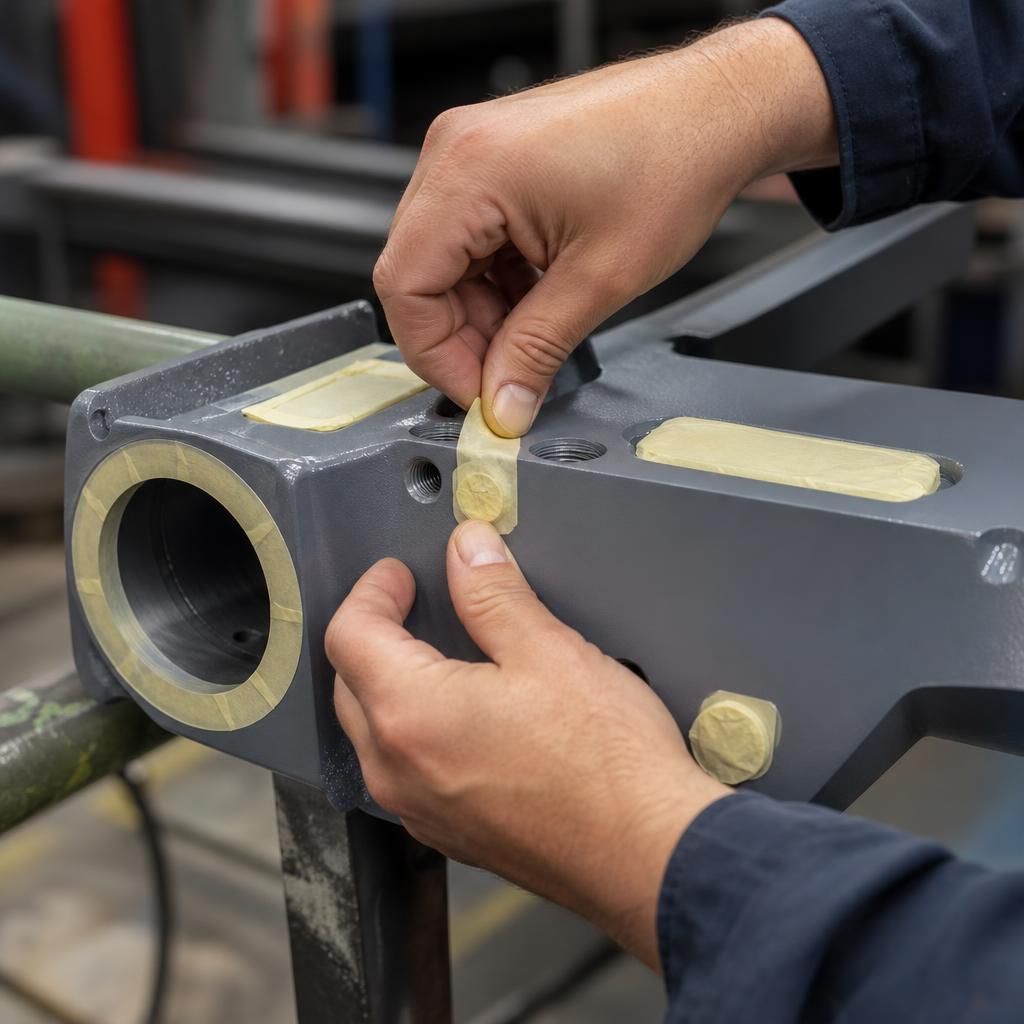
Maintaining functional interfaces is an important part of efficient electrostatic recoating. Threads, bearing seats, sliding faces, earthing points and close-fitting joints may need careful masking so that powder does not alter fit or interfere with assembly. Protecting these areas helps the recoated component return to service without avoidable adjustment, removal of excess coating or damage during installation. This supports equipment lifespan by preserving the original relationship between adjoining parts, rather than treating the visible surface as the only consideration.