

How do zinc and fusion bonded coatings compare in terms of long-term maintenance and cost efficiency?
Zinc coatings can offer cost-efficient corrosion protection because they provide sacrificial protection, while fusion bonded coatings form a tough, sealed barrier that can reduce maintenance where chemical, moisture or abrasion resistance is important. The more economical option depends on the exposure conditions, component design, preparation requirements, expected service life and the cost of access for future inspection or recoating.
Neither zinc nor fusion bonded coating is automatically the more cost-efficient choice. Long-term value depends on how the coating deteriorates, how easily the component can be inspected and repaired, and what the asset costs to access or remove from service. Zinc coatings can be economical where sacrificial corrosion protection is suitable and minor surface damage can be tolerated. Fusion bonded coatings can reduce intervention where a continuous, chemically resistant and abrasion-resistant barrier is more important.
Maintenance requirements differ because the coatings protect metal in different ways. A zinc coating provides a protective layer and can offer sacrificial protection at small exposed areas. Maintenance teams may therefore focus on coating thickness, local damage, corrosion staining, cut edges, weld zones and areas where water or contaminants can collect. The appearance of white corrosion products on zinc is not automatically evidence that the underlying steel has failed, but it should be assessed because persistent moisture can shorten the coating’s useful life.
A fusion bonded coating acts primarily as a sealed barrier. Its maintenance programme normally concentrates on preventing and identifying breaches, pinholes, impact damage, under-film corrosion and loss of adhesion. A sound, continuous film keeps moisture and chemicals away from the substrate, but damage that penetrates the film may need prompt attention because the coating does not provide the same sacrificial action as zinc. Inspection methods and acceptance criteria should therefore be agreed before production, particularly for components that will be buried, immersed or exposed to aggressive chemicals.
Repair is an important lifecycle cost. Zinc-coated components can often be repaired locally after handling damage or fabrication, provided the affected area is clean and the repair material is compatible with the original system. The repair must restore the intended protection rather than simply conceal the damaged metal. Fusion bonded coatings can also be repaired, but the area usually needs controlled preparation, removal of unsound material and careful application of a compatible repair system. Small repairs may be straightforward on accessible steelwork; they become more disruptive when the component is installed, difficult to reach or exposed to contamination.
The cost of a repair is not limited to coating materials. It may include cleaning, masking, access equipment, isolation, removal and refitting, inspection, curing or drying time, and any production disruption. A coating that appears inexpensive at application stage can therefore become less economical if every intervention requires specialist access. Conversely, a higher specification may be justified where avoiding access to the finished installation is a major consideration.
Initial cost should be assessed alongside the following items:
- surface preparation and pre-treatment required for the substrate;
- coating thickness, coverage and the complexity of the component;
- masking of threads, bores, mating faces and other areas that must remain uncoated;
- handling, transport and protection of parts before installation;
- inspection, testing and documentation requirements;
- the likely frequency and method of future repairs;
- access, removal, downtime and reinstatement costs; and
- the consequence of corrosion-related failure if maintenance is deferred.
Component design can change the balance considerably. Sharp edges, narrow recesses, enclosed sections, threaded features and dissimilar-metal joints may create coverage or moisture-retention issues for either system. Parts with repeated impact or sliding contact should be assessed for abrasion and mechanical damage, while components exposed to chemicals require confirmation that the selected coating remains compatible with the specific substances and concentrations involved. A coating that performs well in atmospheric exposure may not be appropriate for immersion, buried service or frequent cleaning.
Inspection planning should be based on the service environment rather than on the coating name alone. Records can include preparation standards, coating thickness, visual condition, repaired areas and any evidence of corrosion or loss of adhesion. Establishing baseline information at installation makes it easier to distinguish normal ageing from a developing failure. Where the cost of access is high, inspection points and repair provisions should be considered during design rather than added after installation.
For a fair comparison, assess both options over the expected service period using the same exposure assumptions. Include the original coating work, planned inspections, likely repairs, access requirements and the financial effect of taking equipment out of service. The result is a lifecycle-cost comparison, not simply a comparison of quoted coating prices.
In some designs, zinc and a fusion bonded barrier are used as complementary layers rather than as alternatives. A duplex arrangement can combine zinc-based corrosion protection with a sealed outer coating, but it introduces additional preparation, compatibility, inspection and repair considerations. It should be specified only where the combined system has been validated for the component and environment.
For B2B coating projects, the most reliable decision comes from defining the exposure, required service life, damage risks, inspection access and repair method before selecting the finish. Zinc is often considered where sacrificial protection and straightforward maintenance are valuable; fusion bonded coating is often considered where barrier performance, chemical resistance or reduced exposure of the substrate to moisture is the priority. The lower total cost is the option that meets those requirements with the least disruptive maintenance over the asset’s working life.
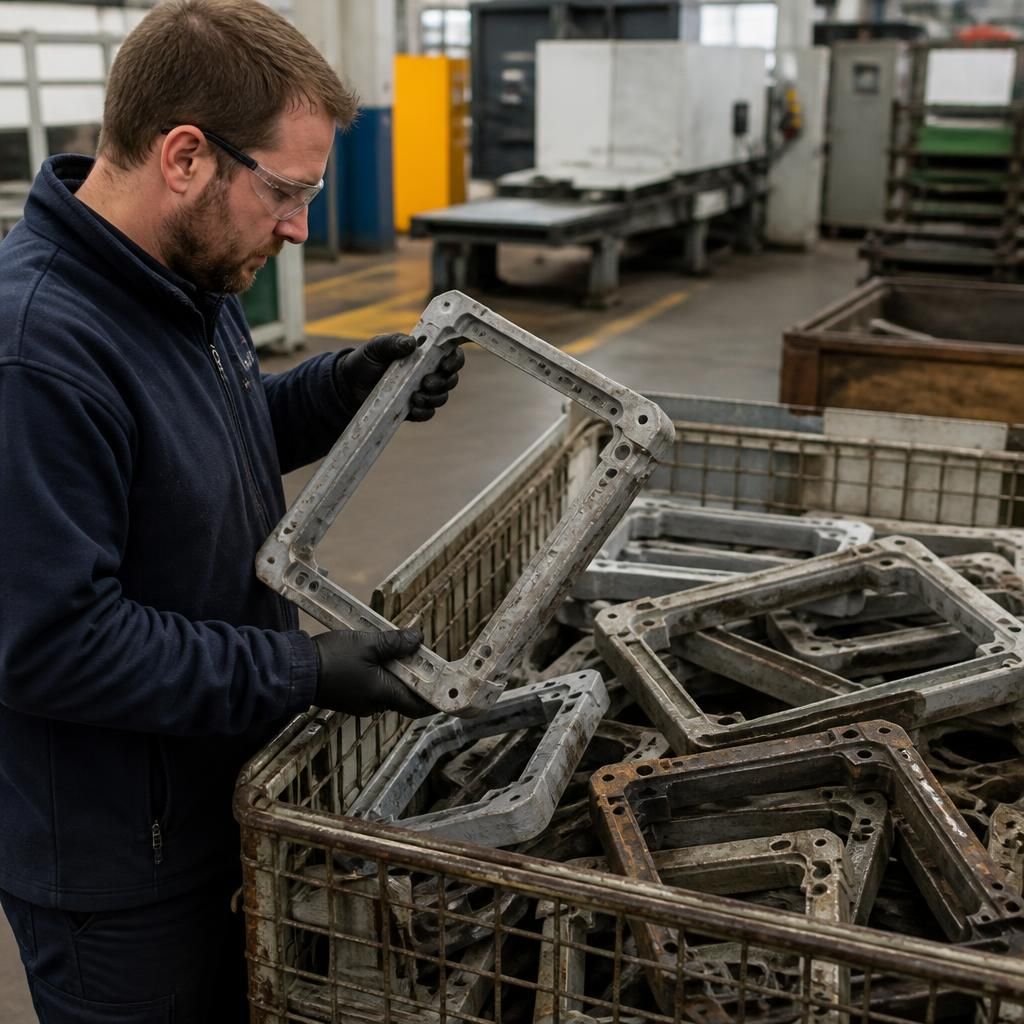
End-of-life planning can change which coating is more cost-efficient. If a component is difficult to strip, prepare and recoat, replacing it may be more practical once the protective system reaches the end of its usable life. The comparison should therefore include the cost of removing the component, removing or preparing the failed coating, recoating or purchasing a replacement, and disposing of the old part.
This is particularly relevant where components are standardised, interchangeable or installed as part of a larger assembly. A coating with a higher initial price may remain economical if it supports refurbishment, while a lower-cost finish may offer less value if renewal requires specialist treatment or extensive dismantling. The preferred option should be assessed against the asset’s expected replacement cycle, not only its first application cost.