

What are the long-term performance differences between polyester, epoxy, and polyurethane powder coatings?
Over the long term, polyester powder coatings generally retain colour and gloss best outdoors, epoxy coatings provide strong adhesion and chemical protection but can degrade under UV exposure, and polyurethane coatings offer a durable balance of weathering, chemical and abrasion resistance. The best choice depends on whether the component faces sunlight, moisture, chemicals, impact or indoor conditions.
The long-term performance difference between polyester, epoxy and polyurethane powder coatings is mainly determined by how each resin responds to the service environment. Polyester is normally the most suitable of the three for exposed components, epoxy is strongest where adhesion and chemical protection are the priority, and polyurethane is selected where a smooth finish must also withstand handling, abrasion and weathering. The coating system, surface preparation and curing quality can be just as important as the resin choice.
Polyester powder coating is generally used for components that will remain exposed to natural weather. Its main long-term advantage is resistance to fading, loss of gloss and surface degradation caused by sunlight. It is therefore commonly specified for architectural metalwork, external enclosures, fabricated parts and equipment used outdoors.
As polyester ages, the visible changes are usually gradual rather than sudden. The surface may slowly lose some gloss or show colour change, particularly where it receives continuous sunlight, but a correctly selected grade can retain its appearance for extended outdoor service. Polyester formulations vary, so the intended exposure class and colour should be checked rather than treating every polyester powder as equivalent.
Polyester also provides a useful balance of hardness and flexibility. This helps it tolerate normal expansion and contraction of metal, movement during handling and minor impacts without becoming excessively brittle. Its limitations become more significant where a component is immersed in aggressive chemicals, exposed to severe abrasion or requires the strongest possible resistance to solvents.
Epoxy powder coating tends to deliver excellent adhesion and a dense, protective film. In indoor plant, machinery, electrical components, pipework and other sheltered applications, it can maintain its protective function for a long period, particularly where the coating is exposed to oils, solvents or other chemicals compatible with the particular formulation.
The main long-term consideration with epoxy is its reaction to direct sunlight. Ultraviolet exposure can cause chalking, colour change and loss of surface appearance. Chalking does not necessarily mean that the underlying metal protection has immediately failed, but it indicates that the finish is no longer appropriate where appearance and sustained outdoor exposure are important. For this reason, epoxy is often reserved for internal use or used as part of a coating system in which another layer provides the required exterior resistance.
Epoxy can also be harder and less tolerant of movement than some exterior-grade alternatives. If a part is repeatedly flexed, struck or exposed to thermal movement, the specification should consider the risk of cracking or loss of adhesion at edges and formed sections. Its performance is strongest when the component is stable, well prepared and exposed to conditions that suit the formulation.
Polyurethane powder coating is valued for combining a refined appearance with useful resistance to wear and environmental exposure. It can be appropriate where components are visible, frequently handled or subject to rubbing, cleaning and moderate abrasion. Its film can offer a good level of flexibility, helping the finish remain intact when the metal experiences normal movement.
Polyurethane is not a single performance category. The formulation, curing chemistry, colour and intended exposure all affect the result. Some polyurethane powders are designed for demanding exterior service, while others are chosen for decorative or general industrial applications. The technical data for the selected product should therefore be reviewed for weathering, chemical contact, hardness, flexibility and recoating requirements.
Long-term comparison should also include the following factors:
- Surface preparation: Degreasing, removal of mill scale and rust, suitable blasting or pretreatment and a clean substrate are essential for sustained adhesion. A premium powder cannot compensate for contamination or poorly prepared steel.
- Cure: Powder must reach the specified metal temperature for the required time. Under-cured material may have reduced chemical resistance and adhesion, while excessive heat can affect colour, gloss or the substrate.
- Film thickness: Too little coating can leave weak coverage at edges and corners; too much can affect appearance, flexibility and cure. The target should suit the powder manufacturer’s specification and the component’s geometry.
- Component design: Sharp edges, deep recesses, weld spatter, trapped moisture and dissimilar metals can create local weaknesses. These areas often determine whether corrosion begins beneath an otherwise sound-looking coating.
- Exposure pattern: Continuous sunlight, condensation, immersion, salt contamination, industrial chemicals, impact and cleaning regimes each place different demands on the coating. A coating that performs well indoors may not be suitable outdoors, even if its initial appearance is excellent.
- Colour and gloss: Dark colours, bright colours and high-gloss finishes can show ageing differently. Appearance requirements should be considered alongside protective performance, especially for components that will be compared with adjacent metalwork.
For a practical specification, start with the most demanding condition the component will face rather than choosing solely on initial finish. Polyester is usually the starting point for sustained exterior exposure, epoxy is often more appropriate for sheltered chemical or industrial service, and polyurethane is considered where appearance, handling and wear resistance must be balanced. Where conditions combine several hazards, a multi-layer system or specialist powder may be more suitable than any single coating.
Assessment should also distinguish between cosmetic ageing and functional failure. A change in gloss is not the same as loss of adhesion, and a small damaged area can become more significant if moisture reaches exposed metal. Regular inspection of edges, fixings, welds and impact points helps identify local damage before corrosion spreads beneath the coating. The final choice should be based on the component’s substrate, preparation method, operating environment and required appearance throughout its intended service life.
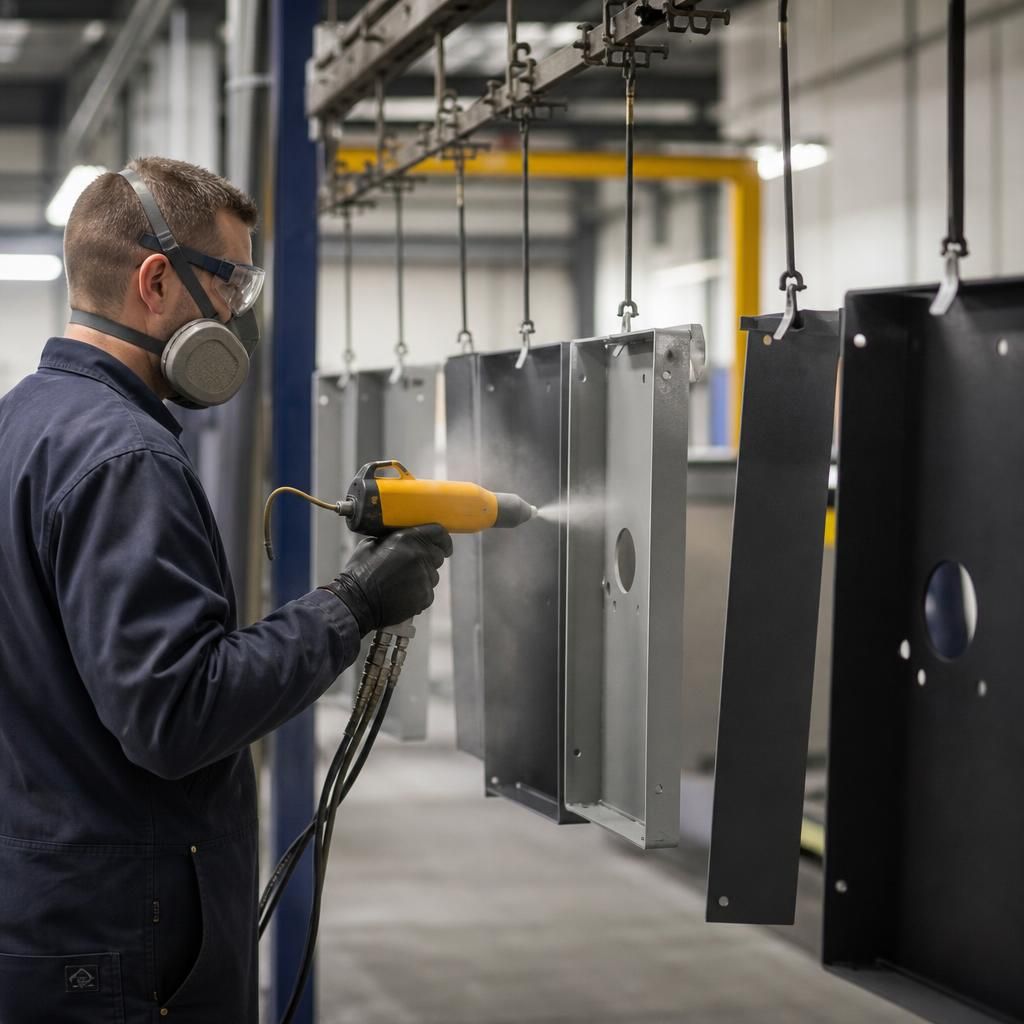
Long-term comparison between polyester, epoxy and polyurethane powder coatings is most reliable when based on performance data for the intended environment, rather than the resin name alone. Product information should show how the selected formulation performs against the particular combination of weathering, chemicals, abrasion and handling expected in service.
- Exterior components: review evidence of colour and gloss retention after weathering exposure.
- Chemical-service components: check resistance against the specific oils, solvents, cleaners or process chemicals involved.
- Frequently handled parts: assess abrasion, impact and adhesion performance alongside the visual finish.
- Recoat or repair work: confirm compatibility between the existing film, preparation method and proposed new coating.
This approach distinguishes a coating selected for proven service conditions from one chosen only because it initially looks suitable. Where the operating environment is unusual or combines several stresses, representative test panels or supplier qualification data can provide a more useful basis for specification than a general comparison of polyester, epoxy and polyurethane.
Discuss Your Polyester, Epoxy or Polyurethane Coating Requirements
Discuss your component’s substrate, exposure conditions, handling demands and required appearance with the powder-coating.co.uk team to identify the most suitable polyester, epoxy or polyurethane system. Share relevant drawings, quantities and preparation details for a more informed coating recommendation.