

What key considerations should guide my choice of powder coating finish to ensure it meets both functional and aesthetic requirements in challenging environments?
Choose a powder coating finish by assessing the environment, substrate, exposure to moisture, chemicals, UV light, abrasion and temperature, then match the coating’s tested performance to those demands. Specify the required colour, gloss, texture and edge coverage alongside preparation and application requirements, so the finished component provides appropriate protection without compromising its appearance.
The right powder coating finish is a specification decision rather than simply a colour choice. It should be selected by balancing the required protection, the expected service life, the appearance of the finished component and the practical limits of manufacturing, preparation and application.
Start with the component’s duty. Consider what the part must withstand during installation, handling and use. A finish for a visible architectural panel may prioritise colour retention and consistent gloss, while a fabricated machine component may place greater emphasis on impact resistance, flexibility or resistance to oils and cleaning agents. Components that are frequently handled or assembled also need a finish that will tolerate contact and minor knocks without becoming visually unacceptable.
Choose the coating technology for the exposure, not just the colour. Powder coatings are available with different resin systems and performance characteristics. A standard decorative grade may be suitable for a relatively controlled interior application, whereas demanding external or industrial conditions may require a formulation designed for stronger weathering, improved UV stability, chemical resistance or enhanced corrosion protection. Where the component will encounter a particularly aggressive substance, ask for compatibility information rather than assuming that every powder coating will perform in the same way.
Check the specification and supporting test evidence. A coating’s stated suitability should be supported by relevant technical information, test methods and classification where applicable. Useful evidence can cover corrosion resistance, artificial weathering, adhesion, impact, flexibility, hardness and resistance to specific chemicals. Test results are indicators of coating performance under defined conditions; they are not a guarantee that every component will experience identical results in service. The specification should therefore describe the intended exposure and the required level of performance in clear, measurable terms.
Give proper attention to the substrate and component design. Steel, galvanised steel, aluminium and other metals can require different preparation routes. Welds, sharp edges, recesses, folded sections, drilled holes and areas containing contaminants can affect both coverage and adhesion. Complex geometry may also create areas where powder is harder to deposit evenly or where moisture and dirt can collect. Discussing the design before coating can identify masking requirements, drainage issues, inaccessible faces and edge-treatment needs that may otherwise affect the finished result.
Specify preparation and pretreatment separately from the topcoat. Long-term performance depends on the complete coating system. Cleaning, removal of mill scale or corrosion, degreasing and suitable chemical or mechanical pretreatment help provide a stable surface for the powder layer. Previously coated, galvanised or contaminated parts may need additional assessment. If corrosion protection is important, establish whether a primer or multi-layer system is appropriate rather than relying on the decorative topcoat alone.
Control film build and curing requirements. The applied film needs to be sufficiently continuous for the intended protection, but excessive build can affect appearance, fit, edge definition and curing. The powder manufacturer’s recommended cure schedule should be considered against the metal’s thickness, shape and heat capacity. Large or mixed-size batches can contain parts that heat at different rates, so the process should be checked on the actual component rather than judged solely by oven air temperature.
Define the appearance in precise terms. “Black”, “grey” or “white” does not fully describe a finish. Record the required colour reference, gloss level, texture, surface effect and acceptable variation. Smooth, fine-textured and heavily textured finishes can reflect light differently, making apparently similar colours look unlike one another. Texture can also disguise minor surface irregularities, while a smooth high-gloss finish tends to make preparation marks, dents and contamination more visible.
For components supplied in batches, agree how colour and gloss will be assessed. Viewing conditions, substrate differences, film thickness and production variation can all influence appearance. If parts are intended to sit together in one installation, they should be specified and assessed as a coordinated group where practical.
Consider colour retention as part of the design. UV exposure can alter colour and gloss over time, but the rate and visibility of change depend on the pigment, resin system, orientation and surrounding conditions. A dark or highly saturated colour may show change differently from a pale neutral shade. When maintaining a consistent appearance is important, select a finish with suitable exterior weathering performance and retain the original coating reference for future repairs or additional components.
Assess maintenance and cleaning before approval. The component may be exposed to dust, industrial deposits, road grime, salt or cleaning chemicals. A finish that looks suitable initially may be inappropriate if regular cleaning involves aggressive products, abrasive equipment or high pressure. Confirm which cleaning methods are compatible with the selected coating and whether the design allows deposits and standing water to be removed easily.
Account for assembly and service conditions. Coating can alter dimensions at mating faces, threads, bearings, hinges and close-fitting joints. Identify areas that must remain uncoated and define masking or post-coating machining requirements. Also consider whether the part will be bent, drilled, cut or welded after coating; such operations can damage the protective layer and expose bare metal unless they are completed before coating or repaired using an appropriate system.
Use a written finish schedule. A useful schedule should identify:
- the substrate and its condition;
- the preparation and pretreatment route;
- the coating type or performance category;
- the required colour, gloss and texture;
- the target film build and curing requirements;
- areas to be masked or left uncoated;
- the relevant exposure and chemical limitations; and
- how appearance and coating performance will be inspected.
Where the environment is unusually demanding or the appearance is critical, a sample panel or trial component can help confirm colour, texture, coverage and compatibility with the substrate before the full batch is processed. It is also sensible to provide the coater with drawings, photographs and details of welding, assembly and end use. A specialist powder coating provider can then advise whether the proposed finish is practical and whether a different coating system, pretreatment or application approach would better satisfy the specification.
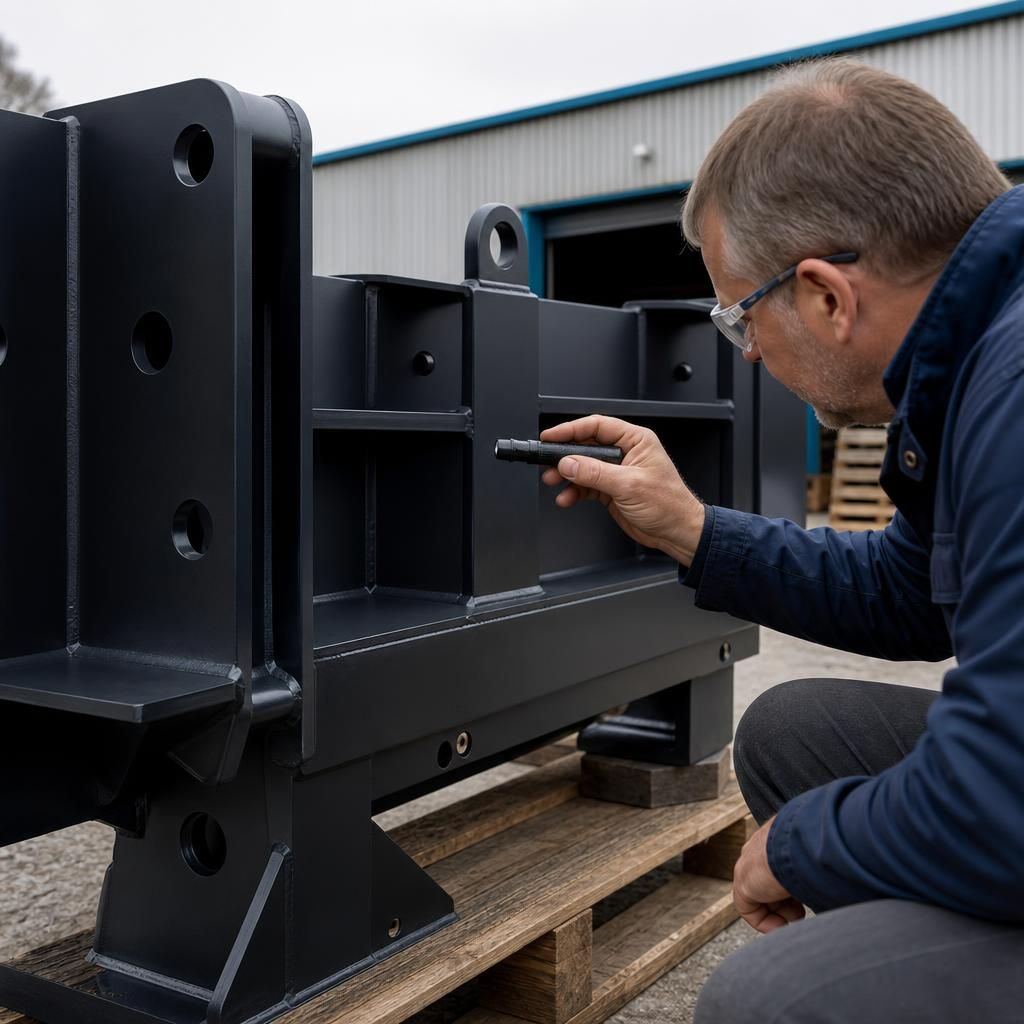
When a component will face several hazards, select the finish against the most demanding credible combination rather than judging each exposure in isolation. For example, a part may experience sunlight, condensation, handling and cleaning during the same service cycle. The coating must therefore remain suitable after repeated exposure, not merely perform well under one individual condition.
Map where those stresses occur on the finished item. Upper faces may receive more UV, edges may experience handling damage, and enclosed sections may retain moisture or deposits. This assessment helps determine whether the specified finish provides consistent protection across the whole component or whether particular areas require design changes, masking, additional protection or a different coating system.
Discuss Your Powder Coating Finish Requirements
Discuss your component’s operating environment, finish specification and practical constraints with a powder coating specialist before committing to a coating system. Sharing drawings or component details can help establish the most suitable finish and application approach.