

How do UV and weather-resistant coatings contribute to the aesthetic maintenance and longevity of metal surfaces in outdoor applications?
UV- and weather-resistant coatings help outdoor metal retain its colour, gloss and surface uniformity by reducing damage from sunlight, moisture and changing weather conditions. By limiting fading, chalking and surface deterioration, they preserve the finish while helping the metal component remain serviceable for longer.
UV- and weather-resistant coatings maintain outdoor metal by combining colour and gloss retention with a durable barrier against environmental exposure. Their value is not purely cosmetic: by slowing degradation at the coating surface and limiting the routes through which water and contaminants reach the substrate, they help reduce maintenance requirements and support a longer usable life for the finished component.
How sunlight affects the finish
Ultraviolet radiation can break down the chemical structure of a coating binder. As this happens, the surface may become more brittle, lose gloss, develop a powdery residue or show changes in colour. A coating formulated for exterior exposure is selected to resist this breakdown more effectively than a finish intended mainly for indoor use. The result is a more stable surface appearance over the coating’s service life, particularly on visible items such as architectural metalwork, outdoor equipment, panels and fabricated components.
Colour stability also supports visual consistency across an installation. Where multiple coated parts are used together, a finish that weathers at a similar rate helps prevent noticeable differences between panels, frames, brackets or replacement components. The coating specification should therefore consider not only the initial colour and gloss level, but also the expected exposure, orientation and importance of maintaining a consistent appearance.
How weather exposure affects metal
Outdoor components are exposed to more than sunlight. Rain, condensation, humidity, airborne pollutants, road deposits, temperature changes and repeated wetting and drying can all place stress on the coating system. Water can enter through scratches, cut edges, poorly coated joints or areas where the film has lost adhesion. Once the substrate is exposed, corrosion can spread beneath the surrounding coating and cause blistering, lifting or flaking.
A suitable exterior coating helps by providing a continuous, well-adhered film that separates the metal from moisture and contaminants. It does not make the substrate immune to corrosion, and it cannot compensate for inadequate preparation or damage, but it can reduce the opportunity for corrosive agents to reach the surface. This is why aesthetic retention and service longevity are linked: a coating that remains intact is better placed to continue protecting the metal beneath it.
Why preparation determines long-term performance
Surface preparation is one of the most important factors in maintaining both appearance and durability. Oil, grease, mill scale, rust, dust and other contaminants can prevent proper adhesion or create defects that become more significant during outdoor exposure. The preparation method should suit the base metal and its condition, with particular attention to welded areas, corners, recessed sections, fixing points and cut edges.
Application also needs to produce a consistent film across the whole component. Thin areas may provide less protection, while runs, inclusions, pinholes and uneven coverage can affect the appearance and create weak points. Complex fabrications should be reviewed before coating so that their geometry, drainage and handling requirements do not leave exposed areas or trap moisture.
Maintenance factors that preserve the finish
- Inspect exposed components for scratches, impact damage, blistering, lifting, cracking or changes in surface texture.
- Remove dirt, salts, bird deposits and industrial residues using cleaning methods compatible with the coating.
- Pay particular attention to horizontal surfaces, joints, fasteners and drainage points where moisture and contaminants may collect.
- Deal with local damage promptly, using a repair method appropriate to the coating system and the level of exposure.
- Investigate any early corrosion rather than treating only the visible mark, because corrosion may extend beneath apparently sound surrounding film.
Cleaning is especially relevant to aesthetic maintenance. Deposits can make a coating look dull or uneven even when the film itself remains sound. Harsh chemicals, abrasive tools and unsuitable solvents can create a different problem by attacking the binder or marking the surface. A maintenance procedure should therefore specify suitable cleaning materials and methods rather than relying on general-purpose products.
Choosing the coating for the application
The appropriate system depends on the metal substrate, the required appearance, the intensity of sunlight, the likelihood of moisture or chemical contamination, and the consequences of coating failure. A finish for a sheltered external component may have different requirements from one used on exposed street furniture, transport-related parts, plant equipment or coastal infrastructure. Colour, gloss and texture should be considered alongside adhesion, flexibility, impact resistance and resistance to the relevant environment.
Where corrosion risk is significant, the complete system matters more than the topcoat in isolation. Substrate preparation, any required pre-treatment or primer, the powder formulation and the application process must work together. Edges, welds and interfaces deserve specific attention because they are common starting points for coating breakdown.
For industrial orders, the coating specification should record the substrate, preparation standard, colour and finish, exposure conditions, areas requiring masking, and the inspection criteria. Sample panels or approved reference pieces can help establish the expected appearance before a production batch is processed. This is useful where several components must match or where the finish will be assessed alongside existing metalwork.
In practice, UV- and weather-resistant coatings contribute to longevity by retaining an effective, adherent barrier and contribute to aesthetic maintenance by reducing visible changes caused by exposure. Their performance depends on selecting a system suited to the environment, applying it correctly to a properly prepared surface, and maintaining the finished metal throughout its service life.
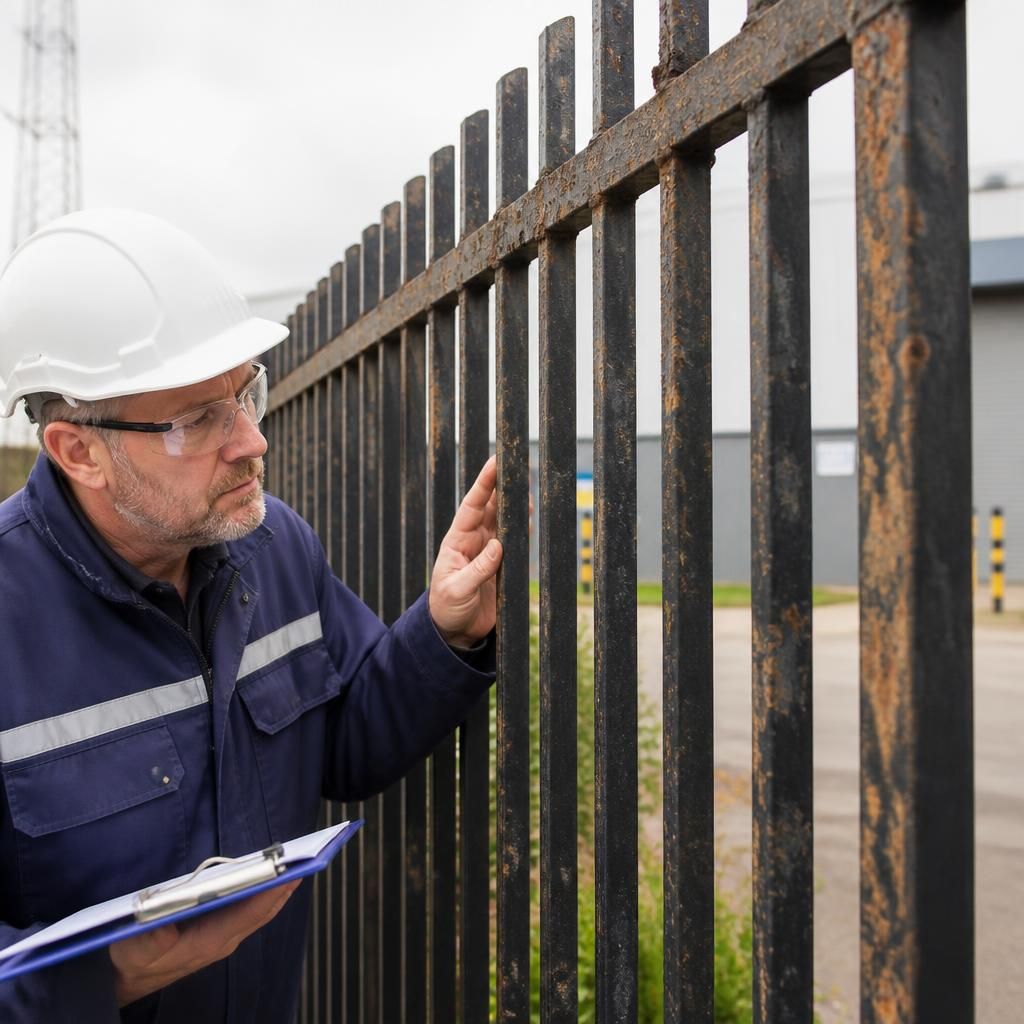
Changes in appearance can help identify the type of maintenance required. A dull surface may result from accumulated dirt or industrial deposits and can often be assessed through careful, compatible cleaning. A powdery residue may indicate UV-related chalking of the coating binder, while blistering, lifting or localised staining can point to moisture ingress or corrosion beneath the film.
Distinguishing these conditions prevents unnecessary recoating and helps ensure that defects are treated at their source. For outdoor metalwork, visual inspection should therefore assess not only colour and gloss, but also surface texture, adhesion and any recurring marks around joints, edges or fixing points.
Discuss UV and weather-resistant coatings for your outdoor metalwork
Discuss your outdoor metalwork with Powder-coatings.co.uk to review the required finish, exposure conditions and coating specification. Collection and delivery options are available for businesses across the Midlands and surrounding areas.