

What are the environmental benefits of choosing powder coating over traditional liquid paint?
Powder coating can have a lower environmental impact than traditional liquid paint because it produces negligible VOC emissions during curing and does not require solvent-based thinners. Its dry application also allows unused overspray to be recovered and reused, while the durable finish can reduce the need for frequent recoating and associated material use.
Powder coating can reduce the environmental impact of finishing metal components when the full coating life cycle is considered. Its main advantages are reduced hazardous material handling, efficient use of coating material, fewer coating-related emissions and a finish that can protect the underlying metal for longer. The overall result still depends on the powder formulation, surface preparation, curing process, substrate and end-of-life arrangements.
Reduced hazardous waste is an important distinction between powder coating and many traditional liquid paint systems. Liquid paints may generate waste through leftover paint, contaminated thinners, cleaning fluids and solvent-soaked materials. Powder coating is supplied as a dry material, so there is no liquid paint to dispose of after a batch has been completed. Any waste powder, sweepings or contaminated residues must still be managed correctly, particularly where the formulation contains specific additives or pigments, but the waste stream is generally simpler than one involving solvents and liquid cleaning products.
Powder coating can also support more efficient use of raw materials. Application equipment deposits dry particles onto the prepared metal, and suitable overspray can often be collected for controlled reuse or recycling. This can reduce the quantity of coating material that becomes unusable waste. Recovery systems need to be designed and maintained properly: mixed colours, contaminated powder and material that does not meet the required specification may not be suitable for reuse.
Another benefit is the reduction in air pollution associated with coating operations. Powder coating does not depend on evaporating a liquid carrier to form the film, so it avoids many of the solvent-management issues associated with solvent-borne paint. This can reduce the need for solvent storage, extraction and disposal systems. Water-based liquid paints can have a lower environmental impact than solvent-borne alternatives, so the fairest comparison should consider the specific liquid system rather than treating all liquid paints as identical.
The service life of the finished component also affects environmental performance. A correctly specified coating can help shield metal from corrosion, abrasion and other forms of deterioration. If the component remains usable for longer, fewer replacement parts may be required, reducing demand for additional metal, manufacturing energy, packaging and transport. This is a life-cycle benefit rather than an automatic property of every powder coat; performance depends on correct preparation, coating selection, film build and exposure conditions.
Energy use should be assessed rather than overlooked. Powder coating normally requires an oven to cure the applied film, and heating that oven can be a significant part of the process footprint. Liquid paint may require less curing heat in some applications, although it can involve drying energy, extraction and solvent-control equipment. A meaningful comparison should therefore consider the whole process, including pre-treatment, application, curing, cleaning, ventilation and waste handling.
Environmental performance can be improved through practical process choices, including:
- selecting a powder formulation that matches the required corrosion, chemical, UV and wear resistance, avoiding unnecessary over-specification;
- using an application and recovery system suited to the component geometry and production batch;
- controlling film thickness so that the required protection is achieved without excess material;
- maintaining curing equipment and using appropriate oven loading to avoid unnecessary energy use;
- segregating colours and waste streams where this enables more powder to be recovered or recycled;
- choosing packaging and collection arrangements that protect coated parts without avoidable additional materials or journeys; and
- checking the supplier’s environmental and waste procedures as part of the coating specification.
Powder coating is not impact-free. Metal pre-treatment may involve alkaline cleaners, phosphates or other chemicals, and these solutions require controlled use and disposal. Ovens consume energy, and the environmental profile varies between powder chemistries, pigments and production methods. Some specialist finishes may also have different recycling or waste-handling considerations.
For a sound comparison with traditional liquid paint, ask for information about the complete process rather than focusing on the coating material alone. Relevant points include the powder type, recovery arrangements, pre-treatment chemistry, curing energy, waste segregation, expected service environment and whether the coated component can be recycled with the substrate. In industrial applications, the strongest environmental case usually comes from combining efficient application with a suitably durable specification and responsible control of preparation, curing and waste.
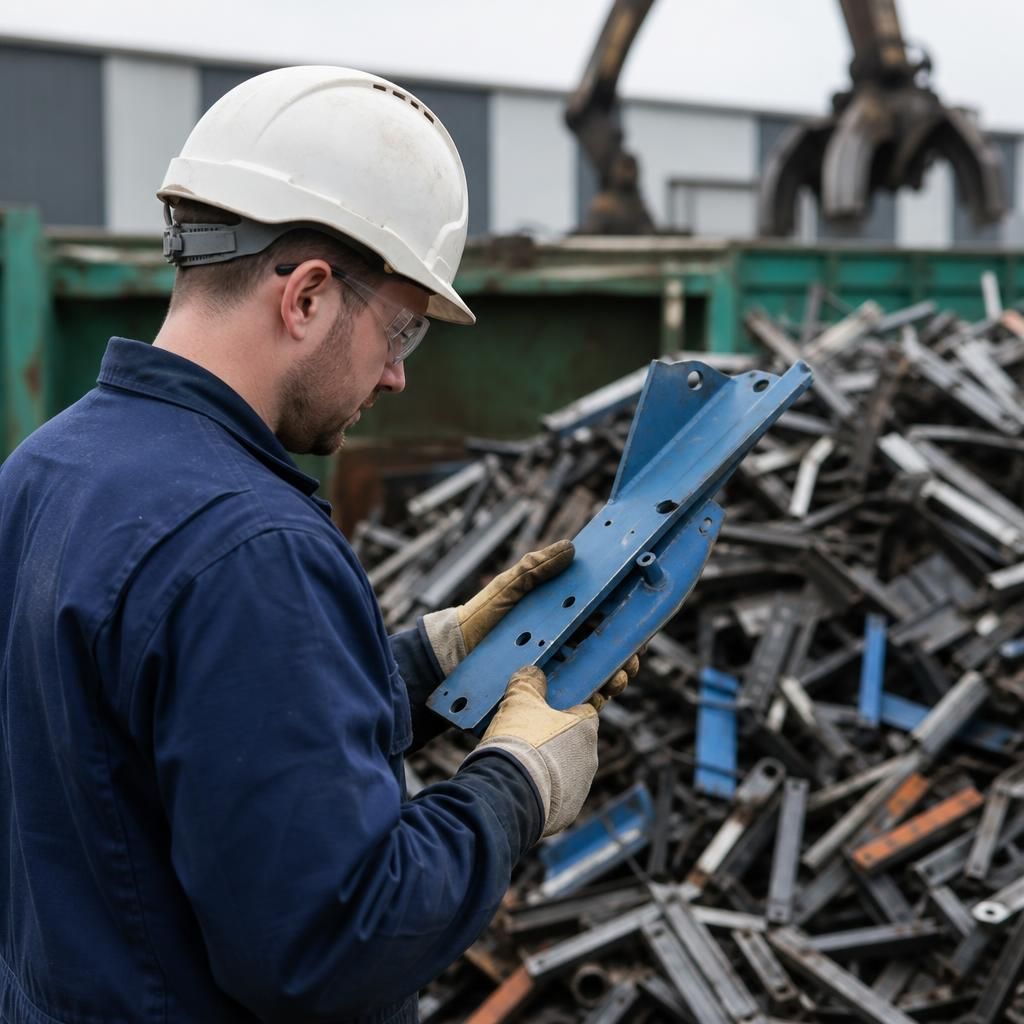
At the end of a component’s service life, powder-coated metal can often enter established metal recycling routes without stripping the coating first. The coating is separated or removed during downstream processing, while the metal substrate is recovered according to the facilities and processes available for that material.
For a reliable environmental assessment, confirm that the powder chemistry, substrate and intended recycling route are compatible. Avoid combining materials or specialist finishes that could complicate separation, and provide the recycler with relevant coating information where required. This helps ensure that the environmental benefit of a durable finish continues beyond the component’s working life.