

What are the advantages of using Rilsan Nylon 11 coating for metal protection in industrial applications?
Rilsan Nylon 11 coating creates a tough, chemically resistant barrier that helps protect metal components from corrosion, abrasion, impact and moisture in demanding industrial applications. Its combination of durability, flexibility and electrical insulation can extend component service life while reducing the need for frequent recoating or replacement.
Rilsan Nylon 11 coating is a thermoplastic protective finish that adds functional benefits to metal components beyond basic surface coverage. Its main advantages are a low-friction surface, resistance to temperature variation, cleanability, consistent appearance and relatively low added weight, making it suitable for parts that must perform reliably in demanding industrial environments.
Low friction and non-stick performance
Once applied and cured, Rilsan Nylon 11 provides a smooth surface with low friction characteristics. This can be valuable for components that slide, rotate or come into contact with other materials. It may help reduce drag, limit material build-up and make components easier to clean. The non-stick behaviour is also useful where powders, fibres, residues or other process materials could otherwise adhere to a metal surface.
Useful across changing operating temperatures
Nylon 11 has a degree of thermal stability that enables coated components to cope with repeated temperature changes more effectively than an unsuitable rigid finish. The coating can accommodate normal expansion and contraction of the substrate, provided the operating conditions remain within the specification for the chosen grade and application. Project assessment should consider peak temperature, temperature cycling and the time the component spends at elevated or reduced temperatures.
Clean, consistent surface finish
The coating creates a continuous polymer surface that can be easier to wipe, wash or inspect than rough, exposed metal. This is particularly helpful for fabricated parts used around production areas where cleanliness and straightforward visual inspection matter. A consistent finish can also improve the appearance of components supplied to customers or incorporated into finished equipment, while helping to conceal minor visual variation in the underlying metal.
Low added mass
Compared with replacing a metal component with a thicker protective construction or adding a separate sleeve, a polymer coating can provide a functional surface without substantially increasing component weight. This is beneficial where assemblies are handled regularly, mounted on moving equipment or designed around strict weight limits. The required coating build still needs to be controlled so that mating dimensions, threads, slots and clearances remain suitable.
Protection for complex component designs
Powder coating can be applied to many fabricated shapes, including brackets, frames, pipes, housings and formed metal parts. Rilsan Nylon 11 is therefore useful where the component has a more practical or economical metal construction but needs a polymeric working surface. Before coating, the design should be reviewed for recesses, sharp transitions, drainage, masking points and areas where excessive build could affect assembly.
Improved handling and user contact characteristics
A nylon-coated surface can be more comfortable and less abrasive to handle than untreated metal. It can also reduce direct metal-to-metal contact in suitable assemblies, helping to limit surface marking and unwanted noise during movement. These benefits depend on the component design, contact pressure, movement and the materials used against the coating.
Long-term material efficiency
Using a durable polymer finish can support a longer replacement cycle where the coating is correctly selected, applied and maintained. This may reduce the consumption of replacement components and the disruption associated with removing protected parts from service. It is not a substitute for correct engineering: impact loads, chemical exposure, temperature, coating thickness and substrate preparation must all be checked before specification.
Rilsan Nylon 11 is best considered where a metal part needs a smooth, functional polymer surface as well as protection from its working environment. The appropriate grade and application method depend on the substrate, geometry, operating conditions and required finish. For manufacturers, fabricators, construction businesses and automotive companies across the Midlands, a specialist powder-coating assessment can establish whether the coating is suitable for the component and whether collection and delivery requirements can be accommodated.
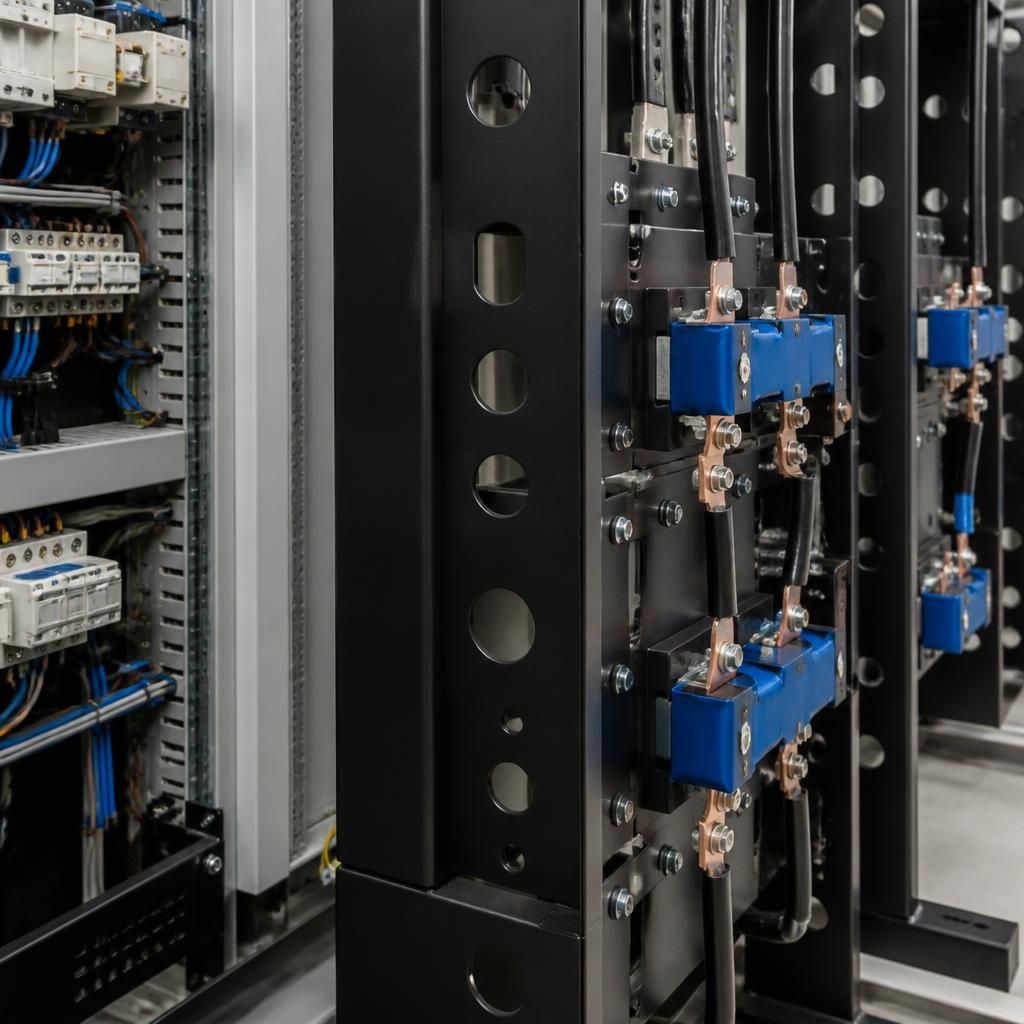
One advantage of Rilsan Nylon 11 coating is its electrical insulating behaviour. When applied as a continuous, well-bonded layer, it can separate a metal component from direct contact with conductive surfaces, helping to reduce unintended current paths and surface contact between dissimilar materials.
This can be useful for brackets, housings, supports and other metal parts used near electrical equipment or within assemblies where metal-to-metal contact must be controlled. The coating design must account for edges, holes, fasteners and areas subject to wear, since these can interrupt the insulating barrier. Electrical requirements should therefore be assessed alongside coating thickness, adhesion, operating temperature and the expected mechanical contact.