

What are the benefits of using the two-coat powder coating process for nylon coatings?
A two-coat powder coating process for nylon coatings applies a base coat followed by a finishing coat, helping build more even coverage and improve protection on metal components. It can also provide greater control over the final thickness, surface appearance and durability than a single-coat application.
A two-coat powder coating process benefits nylon-coated components by separating the coating system into distinct functional layers. The first layer can establish a sound foundation over the prepared metal, while the second completes the surface and provides the specified combination of wear resistance, chemical resistance and appearance. This approach gives the coater more control over how the coating performs in service than relying on one application alone.
Improved barrier protection: Two properly bonded layers can reduce the likelihood that small pores, thin spots or minor surface irregularities extend through the complete coating system. This is particularly useful where components may be exposed to moisture, handling, abrasion or cleaning chemicals. The layers should be compatible and correctly processed; simply adding material without controlling adhesion and curing does not automatically improve protection.
Better support for nylon’s functional properties: Nylon coatings are selected for demanding duties because they can provide a tough, resilient surface with useful resistance to impact, wear and friction. In a two-coat system, the underlying layer can contribute to coverage and substrate protection, while the outer nylon layer is selected and applied for the conditions faced by the finished part. This can be valuable for metal components that move against other surfaces, are repeatedly handled or need protection from mechanical contact.
More reliable coverage of complex components: Metal parts often include corners, edges, recesses, welds, holes and changes in section thickness. A staged process allows the coating specification and application method to be assessed around these features rather than treating the component as a flat surface. Careful preparation, racking and powder application remain essential, since a two-coat process cannot compensate for contamination, poor grounding or inaccessible areas.
Greater control over the finished specification: Applying the system in stages makes it easier to define the role of each layer and inspect the part between operations. The coating team can assess adhesion, coverage, surface condition and any visible defects before the final layer is completed. This is helpful when parts have tight functional requirements, visible faces or multiple areas that need different levels of protection.
- Durability: the combined system can be specified to withstand the expected handling, impact and wear conditions.
- Surface consistency: a controlled second application can help produce a more uniform final finish across a batch.
- Design flexibility: the layers can be considered separately when selecting the coating type, finish and performance requirements.
- Process inspection: checking the first coat before applying the second provides an additional opportunity to identify contamination, insufficient coverage or other defects.
Potentially longer service performance: Where the substrate preparation, powder compatibility and curing conditions are correctly matched, the additional layer can help the coating system retain its protective function when subjected to repeated use. The actual result depends on the metal, component geometry, service environment, coating specification and preparation standard. A two-coat process should therefore be designed around the application rather than treated as a universal upgrade.
There are also process considerations. The first coat must provide a suitable surface for the next layer, and the interval between applications must be managed to avoid contamination or loss of intercoat adhesion. Excessive coating build can affect clearances, threads, mating surfaces and dimensional tolerances. Additional heating or handling may also influence the substrate and the coating, so the complete cycle should be established and verified for the particular nylon system and component.
For that reason, the most useful assessment compares the required service conditions with the performance demanded from each layer. Parts exposed to abrasion, repeated contact, moisture or industrial handling may benefit from the added control and barrier provided by two coats, while simpler applications may not require the extra process stage. A suitable specification should cover preparation, powder compatibility, application sequence, curing conditions, target build, masking requirements and inspection criteria before batch production begins.
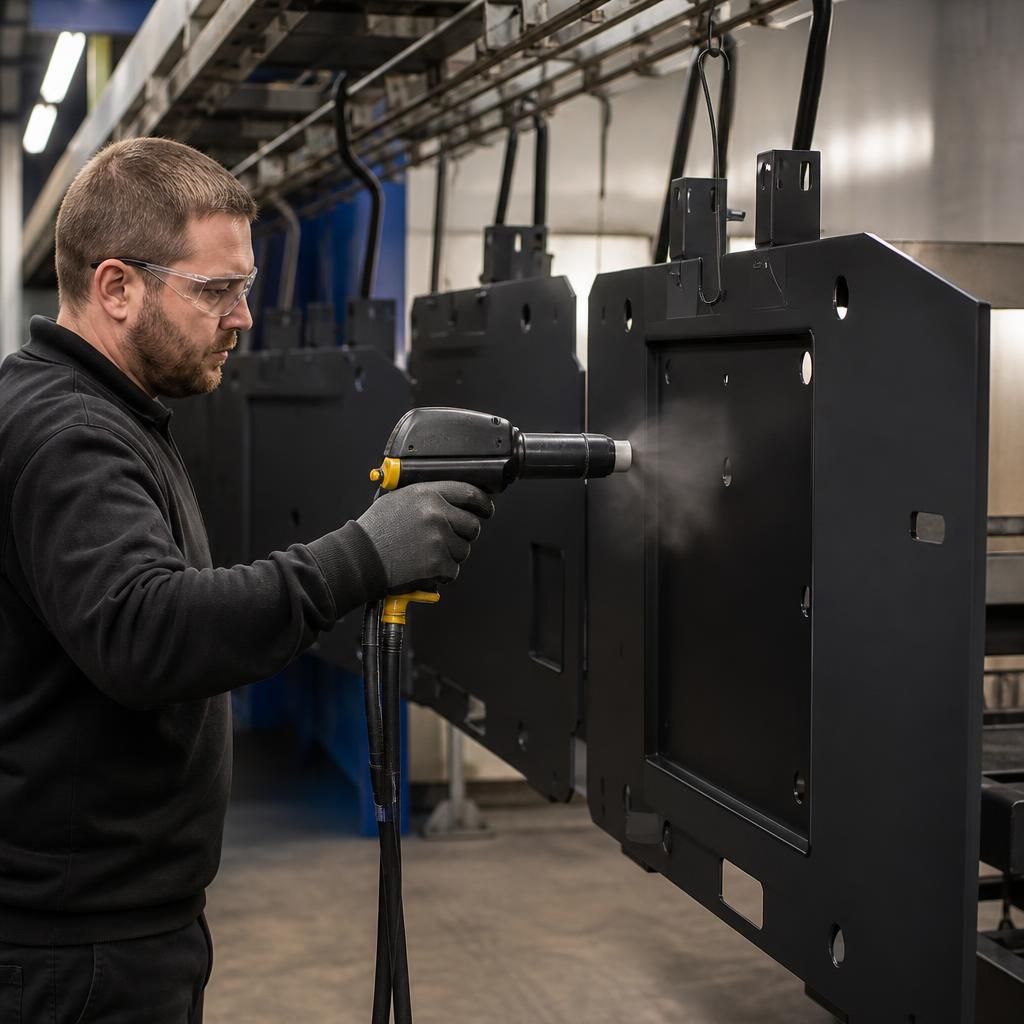
A further benefit of a two-coat nylon system is that it can help separate adhesion requirements from surface-performance requirements. The underlying coat can be specified to establish a compatible bond with the prepared metal, while the outer coat is selected for the contact, friction and handling conditions experienced by the finished component. This avoids asking one formulation to provide every property at the same time.
That distinction is especially useful when a component has both protected and working surfaces. The coating specification can define where each layer is required, how edges and interfaces are treated, and which areas must remain free from coating. The result is a more deliberately engineered finish, provided the two powders, application sequence and curing cycle have been verified as compatible.
Discuss your two-coat nylon coating requirements
If you are assessing whether a two-coat nylon system is suitable for your components, discuss the required service conditions, coating build and curing specification with the powder-coating team. This helps establish whether the additional process stage is appropriate for your application.