

How do protective powder coatings handle extreme temperatures and harsh outdoor conditions?
Protective powder coatings handle extreme temperatures and harsh outdoor conditions by combining a suitable coating formulation with thorough surface preparation and correct curing. The selected system must match the expected heat or cold, UV exposure, moisture, salt and chemical contact, while accounting for thermal expansion and contraction that can stress the coating over time.
Protective powder coatings handle extreme conditions by being specified for the actual service environment, rather than treated as a universal finish. Their performance depends on the resin chemistry, coating thickness, substrate, exposure pattern and the quality of application. A system suitable for outdoor steelwork in normal weather may not be appropriate for equipment exposed to sustained heat, rapid temperature changes, aggressive chemicals or coastal conditions.
Temperature resistance should be assessed in terms of both continuous operating temperature and short-term peaks. A coating may tolerate an occasional rise in temperature but deteriorate if it is held at that level for long periods. Excessive heat can cause softening, loss of adhesion, colour change, gloss reduction or embrittlement. At the other extreme, low temperatures can make some finishes less flexible, increasing the risk of cracking when the coated component is struck or distorted.
Repeated heating and cooling can be more demanding than a steady temperature. Metal expands when heated and contracts when cooled, while the coating may respond at a different rate. This creates stress at the interface, particularly around sharp edges, welds, holes and joints. Components exposed to thermal cycling therefore need a coating system with suitable flexibility and adhesion, together with a design that avoids unnecessary stress concentrations.
Different powder chemistries offer different balances of heat stability, flexibility, chemical resistance and outdoor durability. Common considerations include:
- Exterior polyester systems: generally selected where resistance to sunlight, rain and general atmospheric exposure is important.
- Epoxy-based systems: valued for adhesion and chemical resistance, but often better suited to sheltered or primarily functional applications because prolonged ultraviolet exposure can affect their appearance.
- Hybrid systems: useful where indoor durability and appearance are required, provided the exposure conditions are appropriate.
- Nylon and other specialist coatings: considered where impact, abrasion, friction, chemical contact or particular protective properties are more important than a conventional decorative finish.
Ultraviolet radiation gradually affects many organic coatings. The visible signs may include fading, chalking, loss of gloss and surface degradation. A finish can remain attached to the metal while its appearance changes, so visual retention and structural protection should be treated as related but separate requirements. Where colour stability matters, the specification should identify the expected sunlight exposure and the required appearance retention.
Outdoor moisture creates several risks. Rain, condensation, standing water and freeze-thaw conditions can exploit defects or poorly protected edges, allowing corrosion to develop beneath the coating. Salt spray and de-icing salts are particularly aggressive because they increase the conductivity of surface moisture. Industrial atmospheres may add acidic or alkaline pollutants, while nearby processes can expose the finish to oils, solvents or cleaning chemicals. The coating must therefore be matched to the substances it will contact, not just to the prevailing weather.
Component design and preparation have a direct influence on outdoor performance. Sharp corners can receive a thinner film, enclosed sections may retain moisture, and unsealed crevices can allow corrosion to spread out of sight. Drainage, edge treatment, weld quality and access for application should be considered before coating. Cleaning, removal of contaminants and suitable pretreatment remain essential because a high-performance powder cannot compensate for weak adhesion or corrosion left beneath the finish.
For projects involving unusual temperatures or harsh exposure, the specification should obtain the coating manufacturer’s service-temperature guidance and confirm whether the stated limit applies continuously, intermittently or only for a short peak. It is also sensible to define:
- the normal and maximum temperature at the metal surface;
- the frequency and speed of temperature changes;
- expected exposure to sunlight, water, salt, chemicals and abrasion;
- the required level of colour and gloss retention;
- the acceptable appearance of edges, welds and repaired areas; and
- the inspection and maintenance arrangements after installation.
Where conditions are especially severe, sample panels or representative test pieces can help assess adhesion, appearance and resistance to the relevant exposure before a full production run. Inspection should look for blistering, cracking, peeling, under-film corrosion, chalking and mechanical damage. Small defects are easier to manage before moisture reaches the substrate.
In practice, the most durable result comes from treating temperature, weather, chemicals, component design and application quality as one specification. Powder coating can provide a robust protective finish for demanding outdoor metalwork, but its suitability should always be confirmed against the real operating conditions rather than inferred from the word “protective” alone.
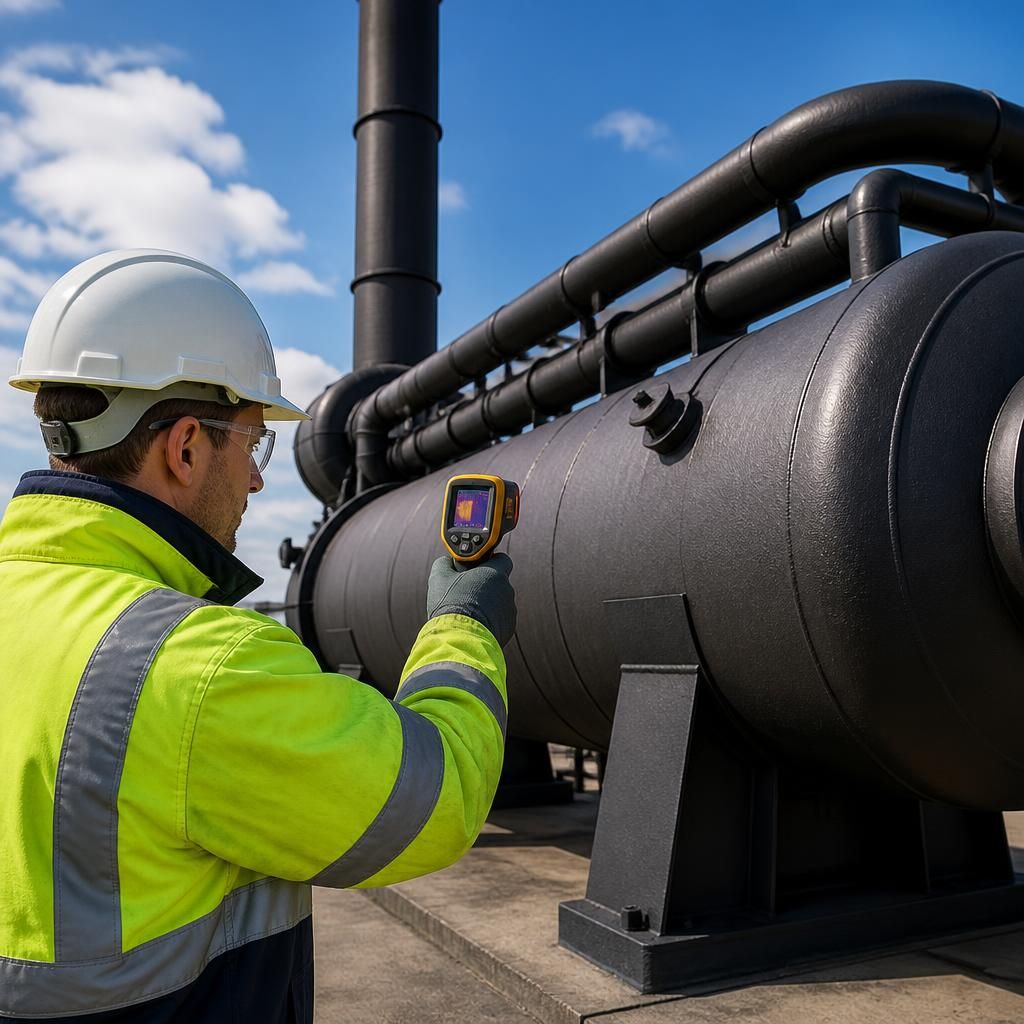
Temperature exposure should be assessed at the coated metal surface, not only from the surrounding air temperature. Direct sunlight, radiant heat from nearby equipment and contact with hot components can raise the surface temperature significantly above the ambient reading, while shaded or wind-exposed areas may behave differently.
Powder coating does not make the underlying metal thermally insulating. Heat can still transfer through the component, so the specification should consider hot spots, heat transfer between connected parts and the temperature reached during operation. This is particularly important where a coated assembly sits close to furnaces, engines, exhaust systems or other heat sources.
Discuss your extreme-condition powder coating requirements
Discuss your extreme-condition powder coating requirements with the team, providing details of the component, temperature exposure and outdoor environment. This allows the coating specification to be considered against the intended service conditions before production.