

What are the key steps in the metal pretreatment process for powder coating?
The metal pretreatment process for powder coating typically involves inspecting the substrate, removing dirt, oil, rust and mill scale, rinsing thoroughly, applying a suitable conversion coating such as zinc phosphate, and drying the part before powder application. Each stage prepares a clean, chemically receptive surface that supports consistent adhesion and helps protect the metal beneath the finished coating.
The metal pretreatment process for powder coating is a controlled preparation sequence that conditions the substrate before powder is applied. Its purpose is not simply to make the surface look clean: it must remove contaminants, address surface defects, create a chemically receptive key and leave the component dry and stable enough for coating.
Important steps and controls within the process include:
- Assessing the substrate and the specification. The metal type, existing scale, corrosion, fabrication residues and intended service conditions influence the treatment selected. Mild steel, galvanised steel and aluminium do not respond identically to the same chemistry. The required level of corrosion protection, appearance and coating performance should therefore be established before processing begins.
- Removing fabrication residues. Weld spatter, sharp burrs, laser oxide, cutting residue and excessive weld irregularities can remain beneath the powder film or create thin areas at edges. Suitable mechanical preparation may be needed before chemical treatment. This work should be controlled carefully: deep scratches and rough grinding marks can remain visible through the finished coating, while aggressive preparation may alter dimensions or remove useful surface material.
- Controlling oil and grease removal. Press oils, drawing compounds, fingerprints and handling contamination can interfere with wetting and adhesion. An alkaline or other suitable cleaning stage breaks down these residues, but its concentration, temperature, contact time and agitation need to remain within the process specification. If the cleaner becomes loaded with oil, it can redistribute contamination rather than remove it.
- Managing oxidation and scale. Light oxide, rust and mill scale may require an acidic treatment or another approved preparation method after degreasing. The treatment must be matched to the substrate and stopped at the correct point. Over-treatment can etch the surface excessively, attack dissimilar metals or leave residues that affect the subsequent conversion layer.
- Rinsing between chemical stages. Rinsing prevents cleaner, acid or dissolved metal salts from carrying into the next tank. Inadequate rinsing can cause staining, powder defects or premature corrosion beneath the coating. Water quality, spray coverage, drainage and the design of recesses all matter; trapped liquid in box sections, folds and overlapping parts can contaminate later stages.
- Applying the conversion coating. A conversion coating changes the outer surface of the metal and provides a more suitable base for powder adhesion. Zinc phosphate is commonly selected for steel where improved corrosion resistance and a strong bond are required, although other systems may be appropriate for particular substrates or environmental requirements. Uniform coverage depends on correct chemical strength, contact time, temperature and surface condition.
- Completing the final rinse and drying. After conversion treatment, the component must be thoroughly rinsed as specified and dried before powder application. Water retained in seams, hollow sections, threaded holes or folded edges can cause application problems and may contribute to corrosion. Drying conditions should remove moisture without discolouring the substrate or leaving residues behind.
- Protecting the prepared surface during handling. Once treated, parts should be handled in a way that avoids recontamination. Bare hands can transfer oils and salts, while dirty racks, hooks or contact points can mark the surface. Components should also be protected from moisture and unnecessary delay between pretreatment and powder application, particularly where the substrate can oxidise rapidly.
- Checking readiness before coating. A visual examination should look for remaining oil, rust, scale, chemical staining, water marks and untreated areas. Depending on the specification, checks may also include surface cleanliness, coating weight or chemical bath records. The key decision is whether the whole component—not just its easily visible faces—is suitable for powder application.
Design and fabrication details have a direct effect on pretreatment quality. Drainage holes may be required in hollow sections, narrow gaps can retain chemicals, and overlapping joints can trap moisture. Parts should be presented so that spray or immersion treatment reaches all relevant faces, with contact points positioned to minimise untreated areas and later touch-up requirements.
Pretreatment should also be considered alongside the final powder system and the component’s operating environment. Indoor decorative work may require a different preparation approach from steel exposed to moisture, chemicals, road salt or industrial contamination. The correct choice depends on the substrate, coating specification and expected exposure rather than on a single universal treatment.
Common causes of poor results include incomplete degreasing, inadequate rinsing, exhausted treatment chemistry, uneven conversion coating, retained moisture and contamination after preparation. These faults can appear as poor adhesion, blistering, pinholes, staining, under-film corrosion or inconsistent colour. Reviewing the pretreatment records and examining the affected areas is usually more useful than changing the powder alone, because the defect may originate before application.
For industrial components, the most reliable approach is therefore to control the complete chain: identify the substrate, prepare fabrication defects, remove contamination, use compatible chemistry, rinse effectively, dry thoroughly, handle carefully and verify the surface before powder coating. This sequence gives the powder film a sound foundation and helps the finished coating perform as specified.
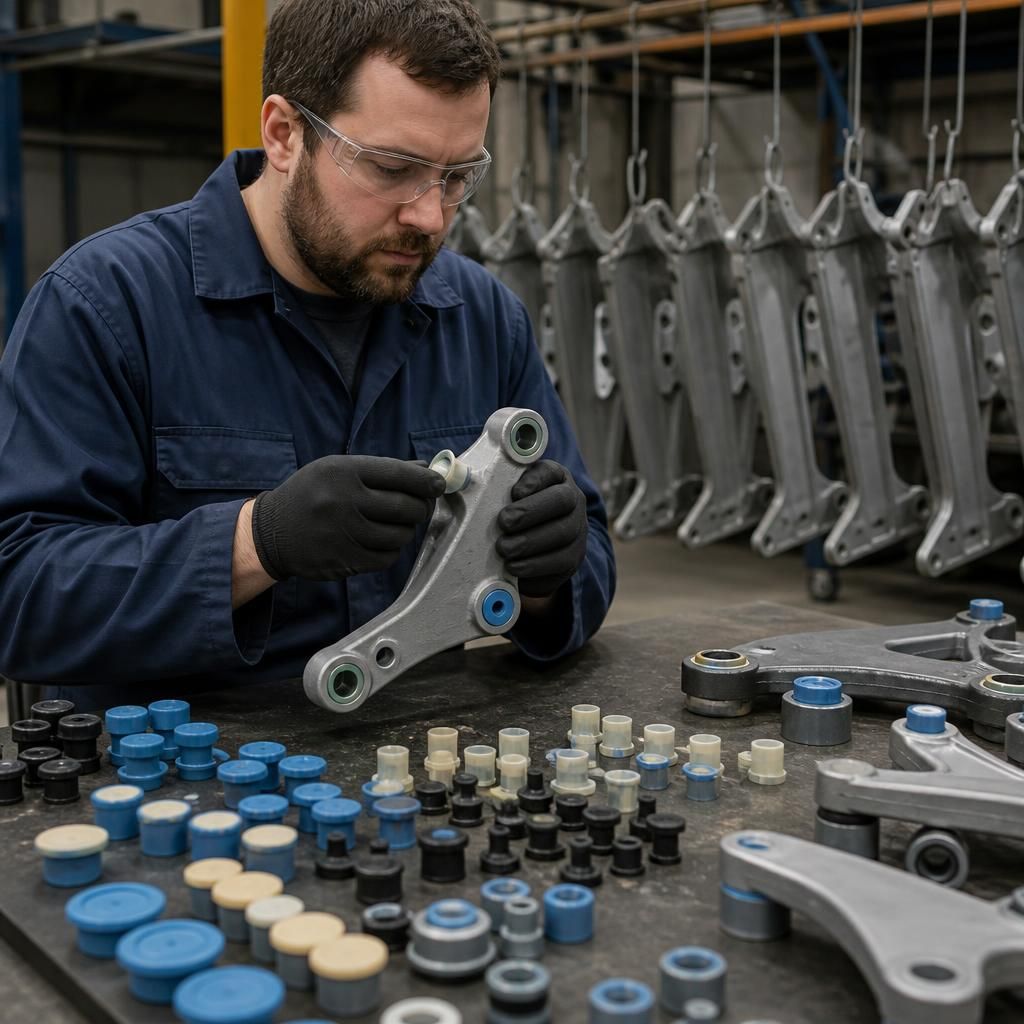
Before pretreatment begins, identify any surfaces that must remain free from coating, such as threaded holes, bearing seats, precision bores and electrical contact points. These areas may need suitable plugs, caps or other masking methods that can withstand the cleaning and conversion stages without trapping chemicals. Masking is part of process planning rather than an afterthought: incorrectly protected features can retain treatment residues, interfere with assembly or require avoidable rework after powder coating.
The masking plan should also account for how the component is suspended and drained. A plug or contact point that blocks a recess may prevent chemicals and rinse water from leaving properly, while poor positioning can create untreated shadows on adjoining faces. Reviewing the drawing, tolerances and coating exclusion zones before processing helps ensure that pretreatment improves the exposed metal without compromising the component’s function.