

Can powder coating be applied directly onto newly galvanised steel without additional preparation steps?
No. Newly galvanised steel should not normally be powder coated without preparation, because its smooth, reactive zinc surface can prevent reliable adhesion; cleaning, removal of surface contaminants and suitable mechanical or chemical pre-treatment are typically required first.
Newly galvanised steel requires a controlled preparation sequence before powder coating. The zinc coating may carry oils, flux residues, passivation treatments, moisture, dust or early corrosion products, while its relatively smooth surface provides limited mechanical keying for the powder film. Applying powder over these conditions can lead to poor adhesion, blistering, pinholing or premature flaking.
The preparation required depends on how the galvanised steel was produced, handled and stored. The galvaniser’s treatment information should be checked first, particularly whether the steel has been passivated or received any post-galvanising treatment. The coating system selected for the part must also be compatible with zinc-coated steel and with the temperatures used during curing.
- Inspection: The surface should be checked for visible oil, grease, dirt, moisture, white rust, runs, sharp zinc projections and damage caused during transport or fabrication. Weld spatter, burrs and sharp edges should be removed because powder follows the profile of the metal rather than correcting it.
- Cleaning: Contamination must be removed with a suitable cleaning and degreasing process. Rinsing and drying are important, as detergent residue or trapped moisture can interfere with the coating system.
- Surface conditioning: A light abrasive sweep blast is commonly used to reduce the smoothness of the zinc surface and provide a more suitable profile. It must be carefully controlled: aggressive blasting can remove excessive zinc and expose the underlying steel, reducing the corrosion protection provided by galvanising.
- Chemical pre-treatment: Depending on the substrate condition and coating specification, a conversion treatment or another approved pre-treatment may be used to improve adhesion and help control corrosion at the interface. The treatment must be compatible with both the galvanised surface and the powder coating.
- Drying and handling: After preparation, the component should be fully dry and protected from renewed contamination. Clean gloves and suitable handling methods help prevent fingerprints, oils and workshop dust from reaching the prepared surface.
Fresh galvanising can also contain gases or moisture within surface irregularities. When the part is heated in the curing oven, these can escape through the uncured powder and create pinholes, bubbles or a rough finish. A controlled preheating or outgassing stage may therefore be considered for suitable components, followed by any necessary surface preparation before powder application. The correct sequence depends on the steel section, zinc coating condition and powder system; it should not be assumed that heating alone replaces cleaning or keying.
Galvanised components should be prepared as a complete coating system rather than treated as ordinary mild steel. The applicator needs to consider the zinc layer, the chosen primer or powder, the curing schedule and the intended service environment together. Areas that must remain uncoated, including threads, earth points, bearing faces or tight-fitting interfaces, may need masking before coating.
Before full production, a trial component or representative sample can be useful. Adhesion checks, visual inspection and, where specified, film-thickness and porosity checks can identify problems with preparation or curing before a batch is processed. If adhesion is weak, the likely causes include remaining contamination, insufficient surface key, incompatible passivation, excessive zinc removal, moisture or an unsuitable cure cycle.
Therefore, newly galvanised steel should enter powder coating only after its surface condition has been assessed and the preparation method has been selected accordingly. A specialist coater can review the galvanising finish, choose an appropriate pre-treatment route and coordinate collection and delivery for metal components from businesses across the Midlands and surrounding areas.
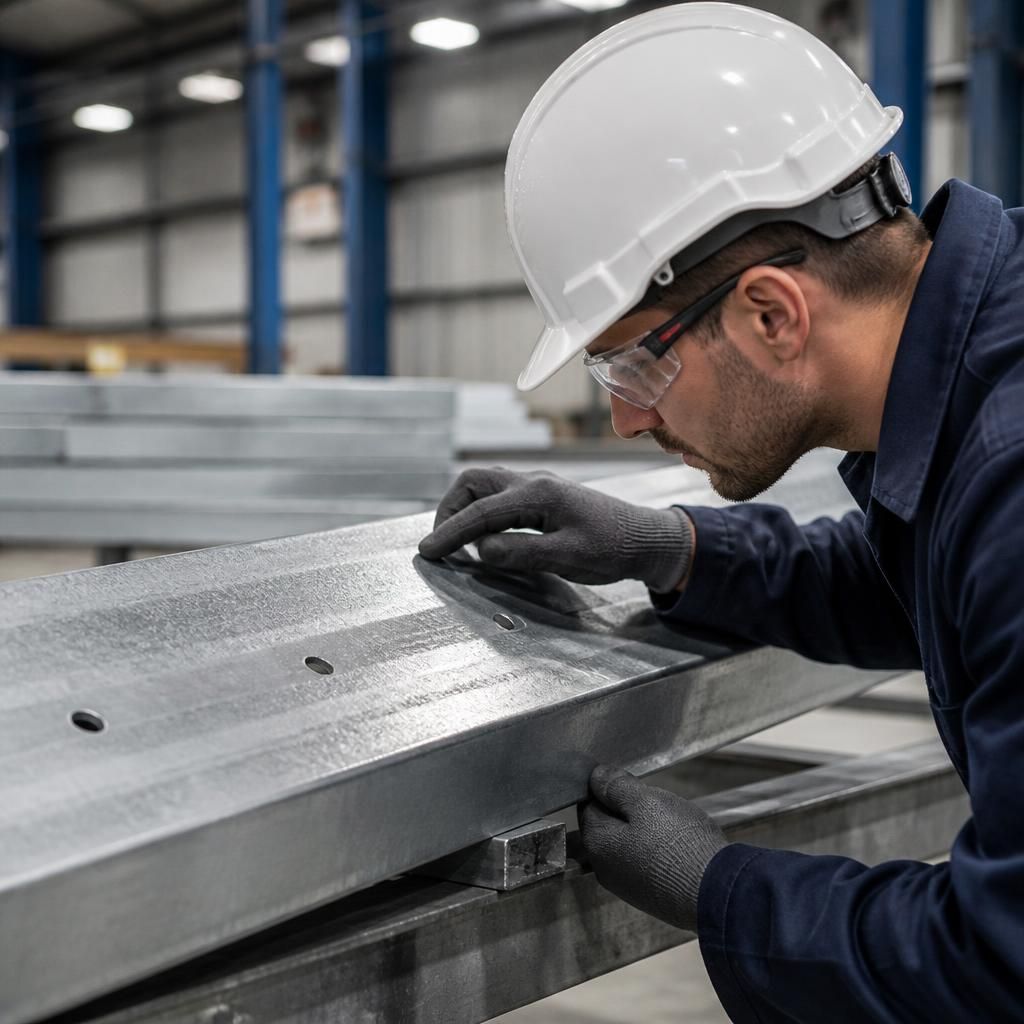
“Newly galvanised” does not mean “ready for direct powder coating”. A component may look clean while still carrying an invisible post-galvanising treatment that affects the powder system. Direct application should therefore be specified only where the galvaniser, powder manufacturer and coating applicator have agreed that the surface condition is suitable. Without that confirmation, the steel should be treated as requiring preparation rather than coated on appearance alone.
Discuss preparation for newly galvanised steel
Before specifying direct powder coating, discuss the galvanised steel’s surface condition, post-galvanising treatment and intended service environment with a specialist coater. Provide component details and any galvaniser documentation so the appropriate preparation and coating route can be assessed before processing.