

What are the key considerations when selecting a high temp powder coat for specific metal applications?
Selecting a high temp powder coat for a metal application requires matching its continuous and peak temperature resistance with the substrate, thermal cycling, exposure to chemicals or weather, required finish and curing conditions. Confirm the coating’s technical data against the component’s operating environment, then validate adhesion, appearance and performance on the specific metal before full production.
The right high temp powder coat is selected by defining the component’s complete duty rather than choosing a product solely by its maximum temperature rating. The decision should also account for substrate preparation, coating thickness, part geometry, cure conditions, corrosion requirements, electrical properties, handling and the evidence needed to verify performance in production.
Start with the component specification. Record the metal grade, dimensions, mass, wall thickness, joint details and any areas that must remain uncoated. Include how the part is supported, assembled and used. Holes, threads, sharp edges, recesses and close-fitting interfaces can affect powder coverage and may need masking or a design adjustment. A coating that performs well on a flat test panel may behave differently around corners, welds and enclosed sections.
Examine the substrate condition before selecting the coating system. Mill scale, oil, weld residues, oxidation and previous coatings can interfere with adhesion and may produce defects when the finished component is heated. The preparation route should suit the particular metal and the required level of cleanliness. Blasting, chemical preparation or other pre-treatment may be appropriate, but the process must not distort thin sections, damage machined surfaces or leave residues that affect the powder film.
Specify the required film build rather than relying on a general recommendation. Excessive thickness can affect dimensional tolerances, moving interfaces, heat transfer and the appearance of edges. Insufficient coverage can leave vulnerable areas, particularly on corners and complex fabrications. The target should be agreed against the coating manufacturer’s technical documentation and checked on representative parts, with attention to difficult-to-reach surfaces.
Consider the coating chemistry and the rest of the system. A high-temperature topcoat may not be suitable over a conventional primer, and a primer selected for corrosion protection may have a different service limit from the finish coat. Where a primer and topcoat are used together, their adhesion, cure requirements and operating limits should be assessed as one system. The selected powder should also be appropriate for the intended application method, whether the part is coated manually, on an automated line or in batches.
Check the complete cure profile, not just the oven set-point. Powder cures according to the temperature reached by the metal and the time it remains at that temperature. Large, heavy or densely loaded components may heat more slowly than small test pieces, while thin sections can reach the required condition sooner. Production trials should therefore establish the metal temperature at representative locations and confirm that all areas receive sufficient cure without overheating sensitive features or attached materials.
Account for interfaces and functional requirements. Masking may be needed where coating could affect earthing points, bearing seats, seals, threads, hinges or electrical contact surfaces. For components used in electrical assemblies, ask whether the coating’s insulation characteristics are helpful or problematic. For sliding or close-tolerance parts, determine whether the finished film will alter fit or create friction. These practical details can be more important than colour or general appearance.
Assess corrosion protection in relation to the operating environment. Heat can accelerate oxidation of exposed metal and may change how moisture or contaminants affect the coating system. Pay particular attention to cut edges, welds, crevices and areas where water or deposits could collect. If the component needs a primer, edge treatment or additional protection, define that requirement before coating rather than treating visible surface coverage as sufficient corrosion control.
Use testing that reflects the actual application. A sensible validation plan can include checks for adhesion, film thickness, visual defects, cure and dimensional fit, followed by application-specific testing. If the part experiences repeated heating and cooling, vibration, abrasion or contact with process materials, those conditions should be represented in the trial where practical. Test panels are useful for initial screening, but sample components or production-representative sections provide stronger evidence for complex metalwork.
Review technical documentation and traceability. The product data should state the applicable temperature limitations, recommended preparation, film range, cure schedule, storage conditions and any restrictions on use. Retain the selected product details, batch information, preparation method, cure records and inspection results. This creates a reference for repeat work and helps identify whether a later defect arose from the powder, the substrate, the application process or the operating conditions.
For a B2B coating project, the final selection should be captured in a written specification covering the metal, preparation, masking, coating system, target film build, cure method, inspection criteria and acceptance requirements. Sharing drawings, service conditions and representative samples with the coating specialist before production allows unsuitable assumptions to be identified early and gives the finished high temp powder coat a defined, verifiable role in the metal component.
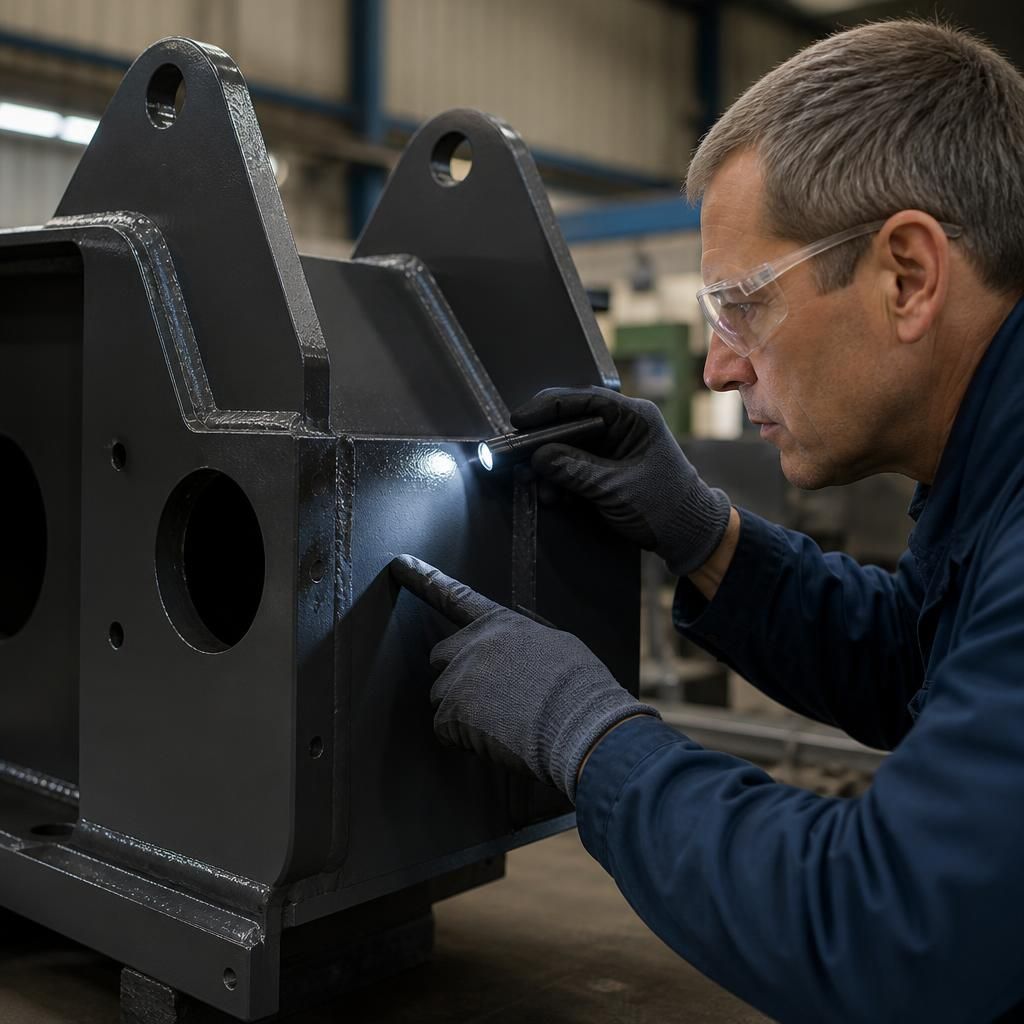
A high temp powder coat should be selected with its maintenance and repair route in mind, not only its initial application. If the coating is damaged during installation or service, the replacement material must adhere to the existing system and tolerate the component’s operating temperature. A conventional touch-up product may not have the same heat resistance, chemical stability or adhesion as the original powder coating.
Before approving the specification, establish how coating damage will be inspected, prepared and repaired. This is particularly important for large fabrications, assembled equipment and parts that cannot easily be removed for oven curing. Confirm whether repairs require full recoating, a compatible specialist material or replacement of the component, and define how repaired areas will be assessed for adhesion, coverage and dimensional fit.