

What are the longevity and maintenance requirements for epoxy and polyester powder-coated surfaces?
The longevity of epoxy and polyester powder-coated surfaces depends on the coating’s suitability for the environment, surface preparation, curing quality and exposure to moisture, chemicals, abrasion and sunlight. Maintain them with regular inspection and gentle cleaning using mild detergent and water, addressing chips, scratches, corrosion or coating breakdown promptly to prevent further damage.
Epoxy and polyester powder-coated surfaces can provide long-term protection when the coating system matches the service environment and the finished component is cared for appropriately. Epoxy generally offers strong resistance to chemicals, solvents and abrasion in sheltered or indoor applications, while polyester is better suited to external exposure because it is formulated to withstand sunlight and weathering. Maintenance should therefore reflect both the coating type and the conditions in which the metal component is used.
Maintenance should begin with the service environment. Components exposed to road salt, industrial fumes, coastal air, standing water, fertiliser, process chemicals or heavy handling require closer attention than items installed in a clean, dry interior. Areas where water or contaminants collect deserve particular scrutiny, including joints, folded edges, recesses, fixing points and the underside of fabricated parts. Good drainage and ventilation reduce the time that moisture remains against the coating.
Routine washing removes deposits that can gradually attack the finish or hold moisture against it. Use clean water and a soft cloth, sponge or non-abrasive brush. A neutral or mildly alkaline detergent may be appropriate for heavier soiling, provided it is compatible with the coating and is thoroughly rinsed away. Do not allow detergent residue to dry on the surface. After washing, the component should be allowed to drain and dry, particularly around seams, apertures and mechanical fixings.
- Avoid wire brushes, scouring pads, abrasive powders and aggressive pressure-washing techniques that can mark or thin the finish.
- Do not use strong acids, caustic cleaners, paint strippers or unapproved solvent-based products without checking their compatibility.
- Remove bird deposits, tree sap, cement dust and chemical splashes rather than allowing them to remain on the coating.
- Do not drag metal parts across coated surfaces or stack components in a way that creates repeated rubbing and impact.
Inspection is more useful when it is systematic. Check the coating for blistering, lifting edges, chalking, colour change, pinholes, impact marks, exposed metal and rust staining. Pay close attention to areas affected by vibration, repeated contact, fastener movement or loading during transport. A small local defect may be repairable, whereas corrosion beneath a lifted coating can spread out of sight and make later refurbishment more extensive.
Where a defect is found, identify its cause before applying a repair product. A chip caused by impact, for example, requires a different response from failure caused by trapped moisture, chemical contamination, inadequate preparation or excessive heat. The damaged area should be cleaned and assessed, with loose coating and corrosion removed before any compatible touch-up or recoating work is considered. Touch-up paint can improve local protection, but it may not reproduce the appearance, film properties or durability of the original powder coating across a larger damaged area.
For substantial deterioration, the dependable approach is usually controlled refurbishment. This can involve removing the failed coating, treating corrosion, checking the metal substrate, preparing the surface again and applying a suitable powder system under controlled curing conditions. Simply applying a new layer over loose or contaminated material can conceal the problem without providing a sound foundation. The repair specification should also consider whether the original coating was epoxy, polyester or a hybrid system, and whether the component has since been exposed to chemicals, heat or ultraviolet light.
Epoxy and polyester require different expectations. An epoxy finish can perform well on indoor machinery, plant and fabricated components where chemical and mechanical resistance are important, but prolonged direct sunlight may cause surface chalking or colour change. This does not automatically mean that the underlying protection has failed, although the appearance and performance should be assessed against the application requirements. Polyester is normally the more appropriate choice for exterior-facing components because it is designed to retain its finish more effectively under ultraviolet and weather exposure. Neither coating should be treated as suitable for every environment without checking the specification.
Operational controls also extend coating life. Use suitable lifting equipment and padded contact points when moving coated parts. Prevent metal-on-metal contact during storage, avoid trapping wet packaging against the finish and keep drainage paths clear after installation. If a coated item forms part of an assembly, inspect washers, clamps and fasteners for movement that could abrade the coating. Changes in the process environment should trigger a review: a new cleaning chemical, higher operating temperature or relocation outdoors can alter the demands placed on the finish.
For B2B assets, maintenance records are useful for linking defects to handling, installation and operating conditions. Record the coating type where known, the cleaning products used, locations of damage and any repair work carried out. This helps distinguish normal cosmetic change from a developing corrosion problem and supports better decisions about whether local repair, component removal or full recoating is appropriate.
The most durable result comes from combining the correct powder system with sound substrate preparation, complete curing, suitable installation and disciplined aftercare. Maintenance cannot compensate for an unsuitable coating or a poorly prepared substrate, but it can prevent avoidable contamination, mechanical damage and delayed corrosion from shortening the useful life of an otherwise well-applied finish.
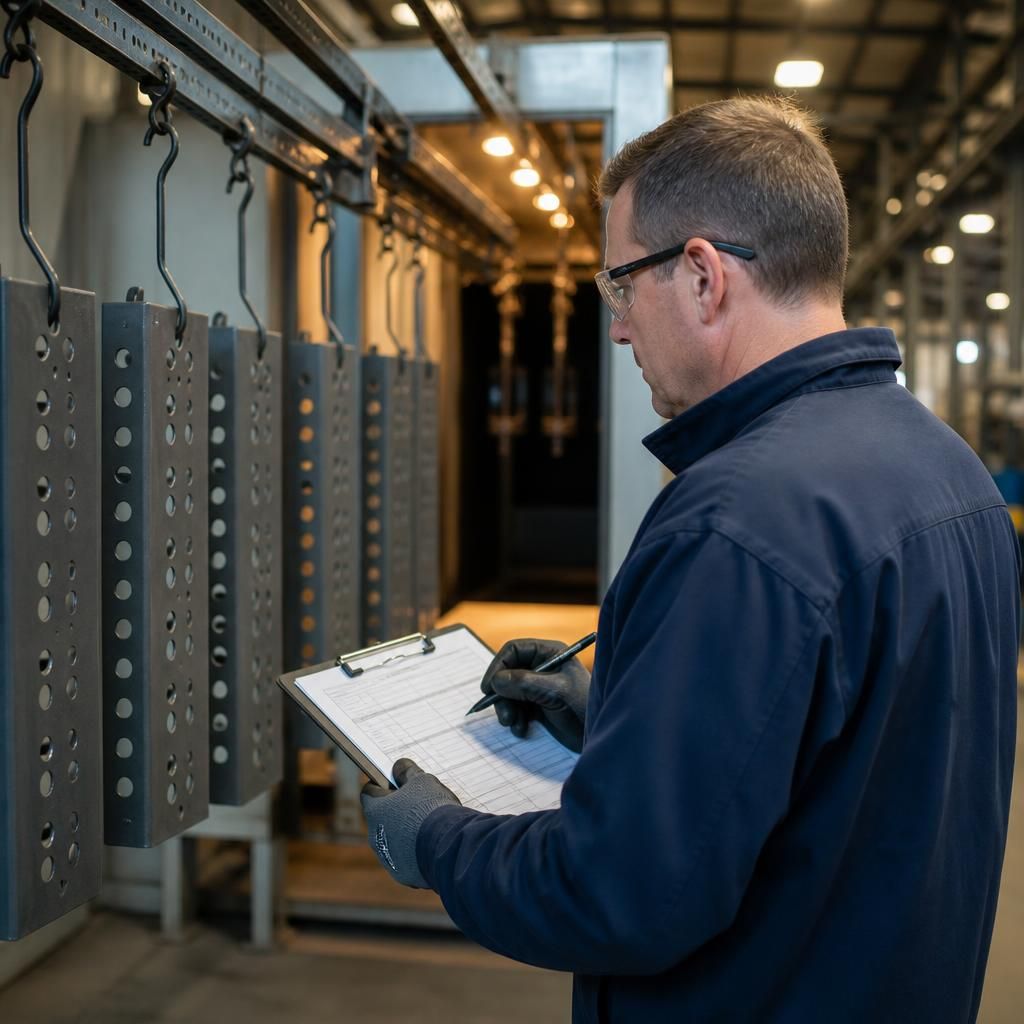
Maintenance requirements should be defined from the coating specification rather than appearance alone. For each coated component, retain the stated powder type, intended exposure, substrate preparation, curing requirements and approved cleaning methods. This information provides a reference for judging later changes and prevents unsuitable repair or cleaning products being introduced during the component’s service life.
For critical or repeatedly handled parts, agree inspection criteria before installation. Distinguish acceptable cosmetic change from defects that expose the metal or indicate loss of adhesion, and set out when the component should be removed for assessment. A documented repair procedure is especially important where several coating systems are used across the same plant or equipment, as compatibility between the existing finish and any subsequent treatment must be checked before work begins.
Discuss Your Epoxy or Polyester Powder Coating Requirements
Discuss your epoxy or polyester powder coating requirements with the team, including the component’s service environment, substrate and any existing coating defects. This information helps identify an appropriate coating and maintenance approach for your application.