

How do heat-resistant epoxy coatings perform over time in environments with fluctuating temperatures and potential thermal cycling?
Heat-resistant epoxy coatings can provide durable protection through fluctuating temperatures when the formulation, substrate preparation and curing process suit the component’s operating range. Repeated thermal cycling may gradually create stress at the coating–metal interface, leading to loss of adhesion, cracking or delamination if temperature limits are exceeded or the coating and substrate expand at different rates.
Over time, a heat-resistant epoxy coating’s performance during thermal cycling depends on how closely the coating’s thermal, mechanical and chemical properties match the component’s actual operating conditions. A coating may tolerate a high temperature for a limited period yet perform poorly when repeatedly exposed to heating, cooling and periods of rest. The full cycle profile matters more than the maximum temperature alone.
Each temperature change causes the metal substrate and the cured epoxy film to expand or contract. These materials do not necessarily move at the same rate, so the coating experiences alternating stress during every cycle. The severity of that stress is influenced by:
- the minimum and maximum temperatures reached;
- the speed of heating and cooling;
- the time spent at each temperature;
- the number and frequency of cycles; and
- whether the component restricts movement through joints, fixings, bends or other attached parts.
Temperature relative to the epoxy’s glass transition range is particularly important. As a thermoset coating approaches this range, its stiffness can change and its ability to accommodate movement may reduce. Repeated excursions around this point can be more demanding than operation at a stable temperature below it. The coating may initially look sound while internal stress accumulates, so visual inspection immediately after application cannot confirm long-term thermal-cycling performance.
Performance can also change gradually through thermal ageing. Prolonged exposure to elevated temperature may make an epoxy film harder and less flexible, alter its colour or gloss, and reduce its tolerance of movement. Cooling can then expose weaknesses at corners, apertures, welds, sharp transitions and other areas where the film is mechanically constrained. In aggressive environments, heat can further accelerate the effect of moisture, oils, solvents or process chemicals, making the thermal cycle more damaging than temperature alone would suggest.
Film thickness and geometry affect the way a coated component responds. Excessive build can increase internal stress and make it more difficult for the film to accommodate repeated movement, while thin or uneven areas may provide less protection at vulnerable locations. Broad flat surfaces, heavy sections and thin sections may also heat and cool at different rates. For this reason, a coating specification should consider the complete component rather than relying only on a laboratory temperature rating for the powder.
A meaningful evaluation uses a representative metal substrate, the intended coating build and the specified cure, followed by cycles that reproduce the expected service conditions. Testing should include the planned temperature range, ramp rates, dwell periods and number of cycles wherever these are known. Inspection between stages can identify gradual changes such as:
- loss of gloss, colour change or surface embrittlement;
- blistering, pinholes or fine surface crazing;
- lifting around edges, holes, welds and fixings;
- corrosion developing beneath damaged areas; and
- changes in coating continuity or resistance to the substances encountered in service.
Laboratory cycling is most useful when supported by examination of the finished component after representative use. If service conditions are uncertain, the assessment should consider the most severe credible combination of temperature, cycle frequency, mechanical restraint and chemical exposure rather than a single nominal operating temperature. Any allowable limits should come from the coating system’s technical data and the component designer’s requirements.
Long-term results are therefore best judged by the condition of the entire coating system after repeated cycles, not by the headline heat-resistance value in isolation. Selecting a suitable heat-resistant epoxy, controlling the specified coating build and cure, and assessing complex shapes under realistic cycles can reduce the risk of premature deterioration. For industrial metal parts exposed to variable heat, these details should be agreed before coating so that the finish is matched to the actual thermal duty rather than a simplified maximum-temperature description.
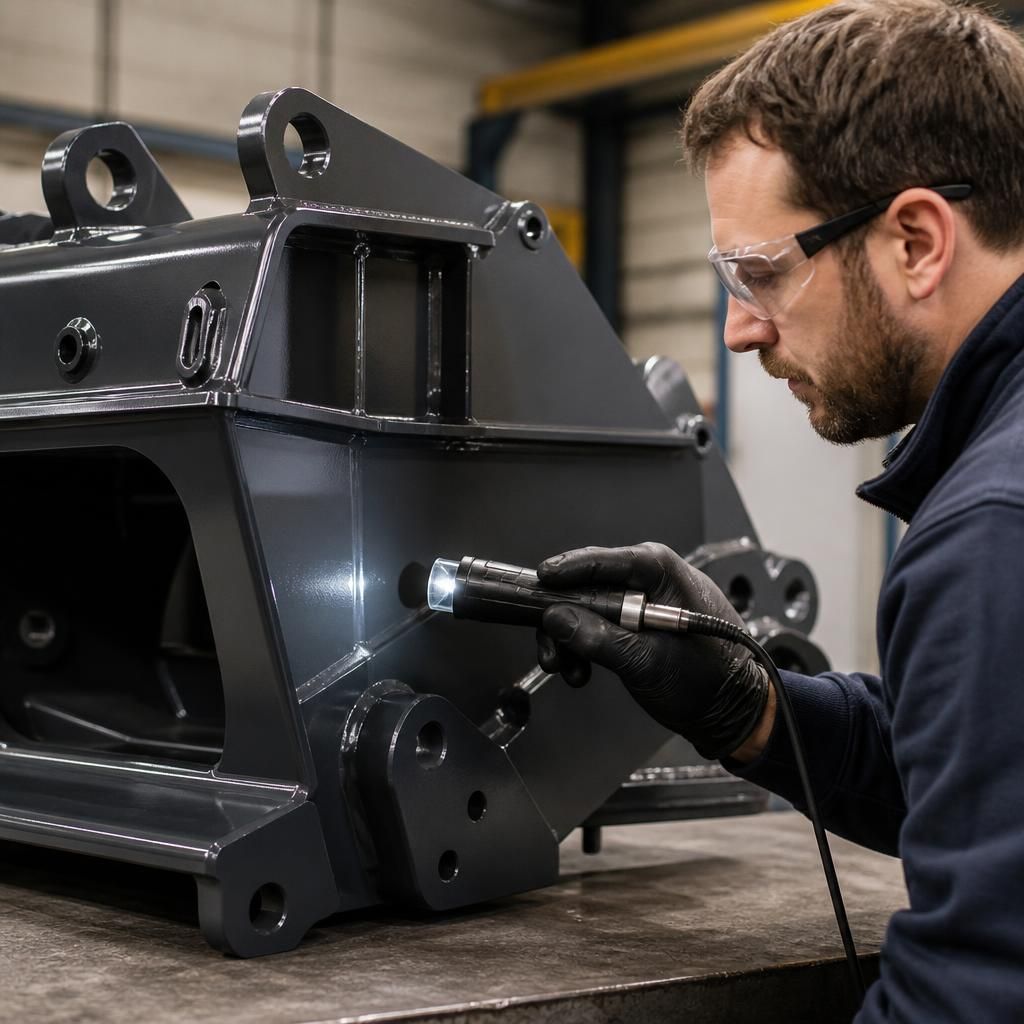
A heat-resistance rating does not by itself define how a coating will perform over repeated thermal cycles. It generally describes performance under specified test conditions, whereas service exposure may involve repeated transitions, pauses and combined mechanical or chemical stresses. A component can therefore remain within its stated peak temperature yet experience progressive coating fatigue if the cycle pattern is more demanding than the test basis.
For a useful assessment, compare the expected service profile with the coating system’s documented limitations rather than relying on the maximum temperature alone. Where the duty is critical, agree acceptance criteria before production and assess coated samples or representative parts after the planned exposure. This helps distinguish a coating that merely withstands an isolated temperature from one suited to the component’s complete thermal history.
Discuss Your Component’s Thermal Cycling Requirements
Discuss your component’s thermal cycling requirements with Powder-coatings.co.uk, including its temperature range, cycle profile, substrate and geometry. This information helps identify a suitable heat-resistant epoxy coating system for assessment and production.