

How does the epoxy powder coating process enhance the electrical insulation of metal components?
Epoxy powder coating enhances the electrical insulation of metal components by forming a continuous, non-conductive barrier between the metal substrate and surrounding components. When correctly applied and cured, this dielectric layer helps limit current leakage, prevent unintended electrical contact and support more reliable component performance.
Epoxy powder coating enhances electrical insulation by giving a metal component a controlled dielectric surface with stable resistance characteristics. The improvement depends not only on the epoxy formulation, but also on coating coverage, film thickness, substrate preparation, curing and the conditions in which the finished part will operate.
How the insulating effect is created
Metal is inherently conductive, whereas cured epoxy is an electrical insulator. During application, charged powder particles are attracted to the earthed metal surface and then melted during oven curing. The resin and curing agent cross-link to form a solid polymer film. Once cured, this film separates electrically active areas from the underlying metal and from adjacent conductive parts.
The coating’s insulating performance is assessed through properties such as dielectric strength, surface resistance and volume resistance. Dielectric strength describes the electric field the material can withstand before breakdown occurs. Surface and volume resistance indicate how strongly the cured film opposes electrical conduction across its surface or through its thickness. These properties are relevant to items such as enclosures, brackets, busbar supports, housings and other metal components used near electrical conductors.
Why application quality matters
- Complete coverage: Bare spots, thin areas, pinholes or contamination can create local weaknesses in the insulation system. Corners, recesses, welds and difficult-to-reach faces require particular attention during application.
- Consistent film build: An uneven coating can produce areas with different insulating performance. The specified thickness should be selected with the component’s voltage, geometry, clearances and service conditions in mind rather than treated as a cosmetic measurement alone.
- Correct curing: The powder must reach the required metal temperature for the appropriate time so that the resin develops its intended cross-linked structure. Under-cured material may have reduced hardness, adhesion and chemical resistance, while excessive heat or an unsuitable cure schedule can affect the coating’s properties.
- Sound adhesion: Good adhesion helps prevent lifting, flaking and moisture ingress beneath the film. Degreasing, suitable abrasive preparation and removal of dust or corrosion are therefore part of the insulation strategy, not simply preparation for appearance.
Component design and preparation
Electrical insulation can be compromised by sharp edges, burrs, trapped residues and poorly prepared weld zones. Abrasive preparation creates a clean, suitably keyed surface, but the resulting profile must remain compatible with the required finish. Components should also be designed or prepared so that powder can reach all specified surfaces and so that air, moisture or contaminants do not remain in enclosed sections.
Areas that must remain conductive, such as earthing points, threaded interfaces or contact faces, need appropriate masking or post-coating treatment. The coating should not be relied upon to replace a deliberately designed earth path or an engineered electrical clearance. Where a component combines insulated and conductive zones, the boundary between them must be clearly defined and inspected.
Environmental influences
Moisture, condensation, salts, oils, cleaning chemicals and elevated temperature can affect insulation performance over time. Epoxy coatings generally provide useful resistance to many industrial conditions, but the correct formulation and specification depend on the component’s operating environment. Outdoor exposure also needs consideration because standard epoxy systems may chalk or lose surface appearance under prolonged ultraviolet exposure, even where the underlying metal remains protected. If electrical insulation must be maintained in a demanding environment, the coating system should be selected and validated for those specific conditions.
Mechanical damage is another consideration. A deep scratch, impact mark or cut through the coating can expose the conductive substrate and create a local fault risk. Handling, assembly and service procedures should therefore avoid damaging insulated surfaces, particularly around fasteners, edges and moving interfaces.
Inspection and verification
Visual inspection can identify missed areas, craters, pinholes, inclusions and obvious damage, while coating-thickness checks help confirm that the applied film is within the project specification. For safety-critical or electrically sensitive components, additional testing may include insulation-resistance measurements, dielectric withstand testing or other tests defined by the relevant product standard and application.
Test methods and acceptance criteria should be agreed before coating, because the appropriate verification depends on the component’s geometry, working voltage, substrate, coating system and intended use. A representative test panel or sample component can also help confirm preparation, application and cure before a production batch is processed.
For manufacturers and fabricators, the practical objective is to specify the electrical requirement alongside the mechanical and environmental requirements. A powder coating provider can then assess the metal substrate, masking needs, coverage challenges, thickness specification and curing route as one process. This approach gives the finished component a more predictable insulating function than selecting an epoxy finish on colour or general corrosion protection alone.
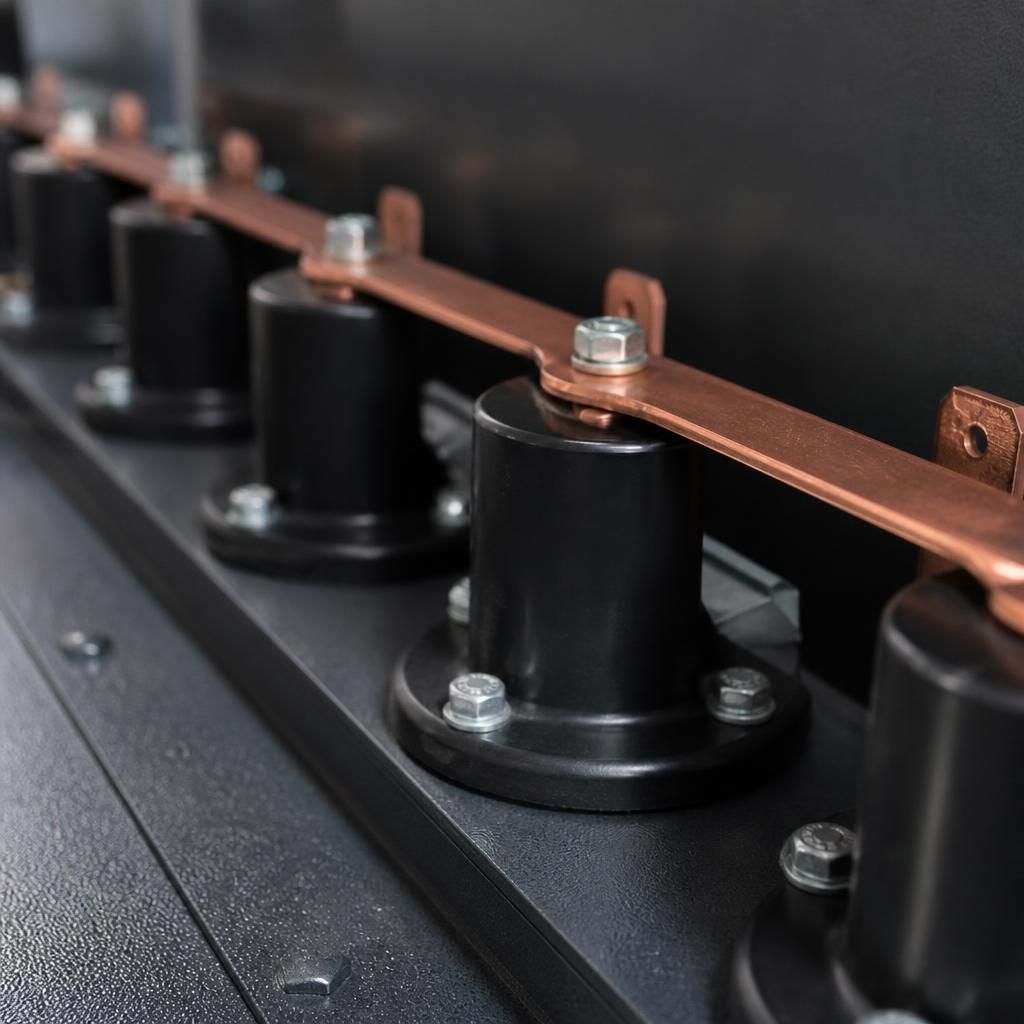
Epoxy powder coating can help reduce the risk of surface tracking across a metal component by creating a high-resistance path between conductive areas. This is particularly relevant where moisture, dust or industrial contaminants could otherwise form a conductive film on an uncoated surface.
However, the coating does not remove the need for suitable creepage distances, drainage and component design. If contamination collects across the insulated surface, electrical performance may still deteriorate. The coating specification should therefore be assessed alongside the component’s voltage, surface geometry and operating environment, with inspection focused on areas where deposits or moisture are most likely to accumulate.