

Is electrostatic powder painting suitable for both small and large-scale projects?
Yes, electrostatic powder painting can suit both small and large-scale projects, provided the metal components are compatible with the process and the required finish is clearly defined. It is particularly effective for repeat batches and larger production runs, while smaller projects can also be assessed according to part size, quantity, colour and coating requirements.
Electrostatic powder painting is suitable for projects at both ends of the production scale, but the process must be matched to the component, batch requirements and finishing specification. Project size alone does not determine suitability; the important factors are the metal substrate, part dimensions, coating type, required colour, surface preparation and curing requirements.
Small-scale projects can be suitable when the parts are compatible with powder coating and can be processed safely through the preparation and curing stages. This may include replacement components, prototypes, maintenance items, fabricated brackets, enclosures or a limited batch of production parts. The same technical checks apply as they would to a larger order, including:
- whether the component can be electrically grounded for electrostatic application;
- whether the material can withstand the heat required for curing;
- whether the part can be cleaned and pre-treated effectively;
- whether its dimensions and shape are suitable for the available spray and oven equipment; and
- whether areas such as threads, bores, mating faces or moving surfaces need masking.
For a small quantity, colour and finish selection can be particularly important. Changing between colours or coating specifications may involve preparation of the equipment and a controlled changeover. A project should therefore define whether an exact colour match, a particular gloss level, a textured finish or a specialist coating is required before the work is planned. Where appearance is critical, an agreed sample or reference panel can help establish the expected finish before the full batch is processed.
Large-scale projects are often well suited to powder painting because the process can be organised around repeatable batches and consistent production requirements. Components can be planned by size, material, colour and coating specification, allowing the coater to establish an appropriate racking arrangement and processing sequence. This is relevant to manufacturers, fabricators, construction suppliers and automotive businesses handling recurring or substantial quantities of metalwork.
Large projects still require careful assessment rather than being accepted solely on the basis of volume. The coater needs to consider the largest component dimensions, the weight and shape of each item, how parts will be suspended, and whether the geometry creates areas that are difficult to coat. Hollow sections, recesses, sharp edges and enclosed areas may require specific preparation or application techniques. Oversized parts may also fall outside the physical capacity of the spray area or curing oven, so dimensions should be supplied at the quotation and planning stage.
Batch consistency is another key consideration for larger work. Parts should be presented in a controlled and repeatable condition, with the required surface preparation, masking details and coating specification clearly defined. If several batches are produced over time, the same requirements should be carried forward so that colour, coverage, adhesion and overall appearance remain consistent. A clear inspection standard is useful for identifying acceptable variation and any areas that require attention before the parts are returned to production or installation.
The most suitable project size is therefore determined by technical compatibility and process planning, not by a minimum or maximum quantity alone. Before proceeding, a business should provide details of the substrate, part drawings or dimensions, approximate quantities, intended use, required finish and any areas that must remain uncoated. A Midlands powder-coating specialist can then assess whether the components are suitable, identify preparation or masking requirements, and advise whether collection and delivery arrangements are practical for the batch.
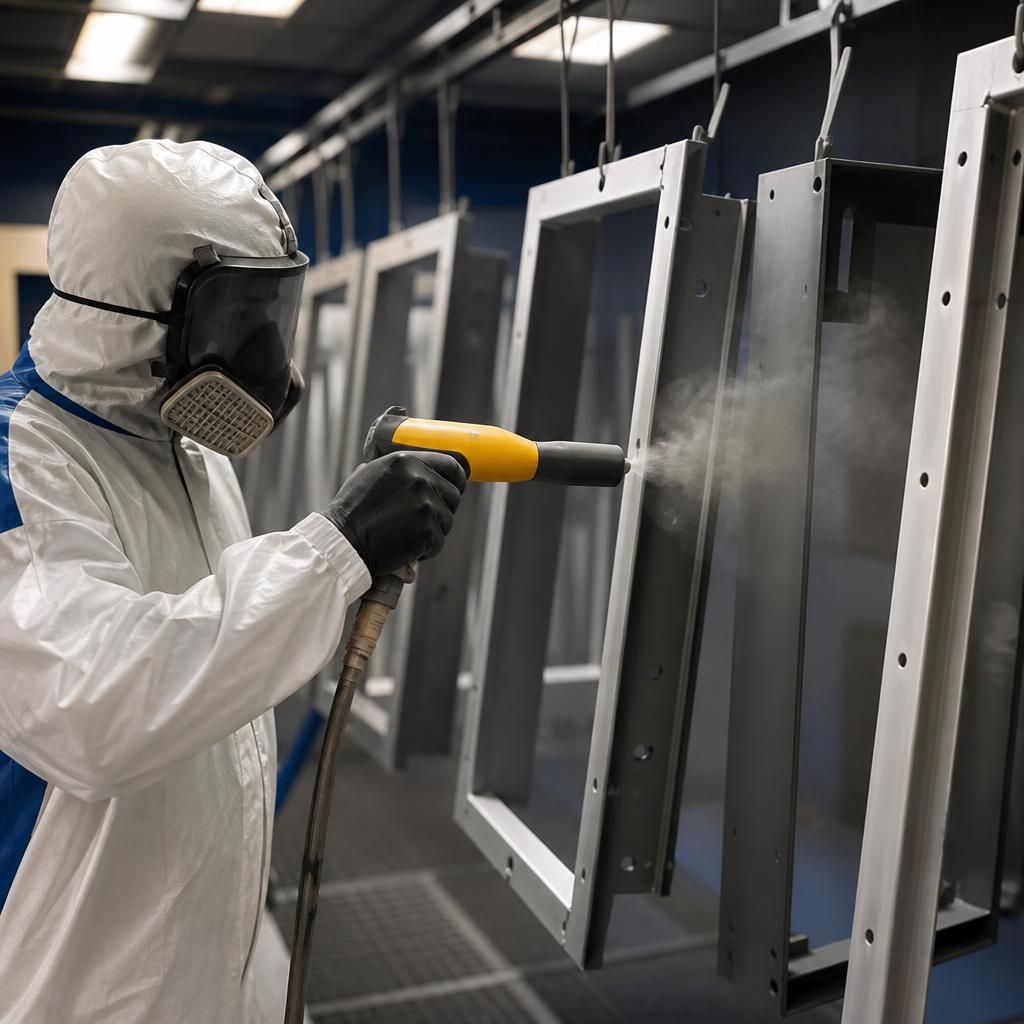
Project scale does not determine the coating specification. The intended use of the metal components is equally important, because a small replacement part and a large fabricated assembly may face very different conditions after coating.
When assessing either a small or large project, consider whether the finished parts will be exposed to weather, abrasion, frequent handling, cleaning chemicals or other demanding conditions. These factors can influence the choice of powder coating type, surface preparation and finish. Defining the operating environment helps ensure that the selected coating is appropriate for the component, regardless of the quantity being processed.
Discuss Your Small or Large-Scale Powder Painting Project
If you are unsure whether your quantity or component design is suitable, provide the part details and finishing requirements for an assessment. This can help establish the appropriate preparation, coating specification and processing approach before work is planned.