

How do epoxy primers and zinc preps contribute to cost savings in long-term maintenance of metal components?
Epoxy primers and zinc preps reduce long-term maintenance costs by creating a stronger barrier against moisture, chemicals and corrosion before the finishing coat is applied. By helping metal components remain serviceable for longer, they can reduce the need for frequent cleaning, recoating, corrosion repairs and premature replacement.
Epoxy primers and zinc preps contribute to long-term cost savings by making the coating system more resistant to the conditions that cause premature failure, while also improving the consistency of the finished application. The financial benefit is not limited to the price of the coating itself. It comes from considering the full service life of the component, including preparation, application, inspection, access, removal, repair and future recoating.
A zinc phosphate preparation or primer helps establish a suitable surface for subsequent coating layers. It can improve adhesion and provide additional protection at the metal-to-coating interface. An epoxy primer then forms a dense, well-bonded layer beneath the finishing coat. Used as part of a correctly specified system, these layers can make local coating defects less likely to develop into wider areas of corrosion. This is important because a small damaged area is generally simpler and less costly to address than corrosion spreading beneath an inadequately bonded coating.
The main areas in which lifecycle costs can be controlled include:
- Less disruptive remedial work: Maintenance may involve dismantling components, arranging transport, isolating equipment or providing access for preparation and recoating. A more robust coating system can reduce the frequency with which these activities need to be planned.
- Lower preparation and repair requirements: If corrosion becomes established, the repair process may require removal of loose material, treatment of affected areas, filling, additional preparation and further inspection. Preventing or limiting that progression helps keep future work more controlled.
- Reduced production interruption: Metal parts used in manufacturing, construction and automotive applications may be difficult to remove once installed. Extending the period between coating interventions can reduce the risk of maintenance interfering with production or site operations.
- More predictable maintenance planning: A properly documented coating specification gives maintenance teams a clearer basis for inspection and repair decisions. Planned work is usually easier to budget and schedule than unexpected replacement caused by advanced corrosion.
- Protection of the component itself: Corrosion can affect dimensions, fastener areas, edges, joints and functional surfaces. Protecting the underlying metal can help avoid costs associated with loss of fit, weakened sections or the need to replace an otherwise serviceable part.
Epoxy primers are particularly useful where the coating system needs strong adhesion and a dependable barrier layer. They are not a substitute for suitable preparation, however. Oil, mill scale, rust, moisture, dust and other contaminants can compromise adhesion regardless of the primer selected. If a coating fails because the substrate was unsuitable or the system was applied outside its technical requirements, the expected cost benefit is lost and the component may require costly rework.
Zinc phosphate preparations can support cost control by helping the coating system bond consistently across the prepared metal surface. Their role is different from that of a zinc-rich coating, which relies on metallic zinc for a degree of sacrificial protection. The correct product and process therefore depend on the substrate, the exposure conditions, the required finish and the performance expected from the complete system.
Specification should be based on total cost rather than the initial coating price alone. A lower-cost option may become uneconomical if it requires additional coats, more frequent inspection, difficult site repairs or early removal and reapplication. Conversely, adding an epoxy primer or zinc preparation is justified where the extra process provides useful protection for the component’s expected operating conditions. The comparison should include:
- the condition and type of the metal substrate;
- the level and type of environmental exposure;
- the geometry of the component, including edges, recesses and joints;
- the intended finishing coat and its compatibility with the primer or preparation;
- the consequences of taking the component out of service;
- the practicality of future inspection, repair and recoating.
Application quality has a direct bearing on the economics of the system. Film thickness, curing, edge coverage, surface cleanliness and handling between stages all need to be controlled. Inadequate curing can affect adhesion and durability, while excessive or uneven application can create defects and increase material use. Clear process records and inspection at relevant stages can identify problems before the component reaches service, when correction is generally more straightforward.
For batch-manufactured parts, consistent preparation and coating parameters can also reduce variation between components. That helps limit rejected parts, repeat work and delays caused by inconsistent finishes. For larger fabricated items, the specification should account for areas that are difficult to access or more exposed to impact and moisture, rather than assuming that every part of the structure will experience the same conditions.
The resulting saving is therefore a lifecycle benefit rather than an automatic discount on the original coating job. Epoxy primers and zinc preps are most cost-effective when they are selected for the actual service environment, applied over a properly prepared substrate and integrated with a compatible finishing system. A coating specialist can use those factors to recommend whether the additional preparatory stage is proportionate to the value, accessibility and expected working life of the metal component.
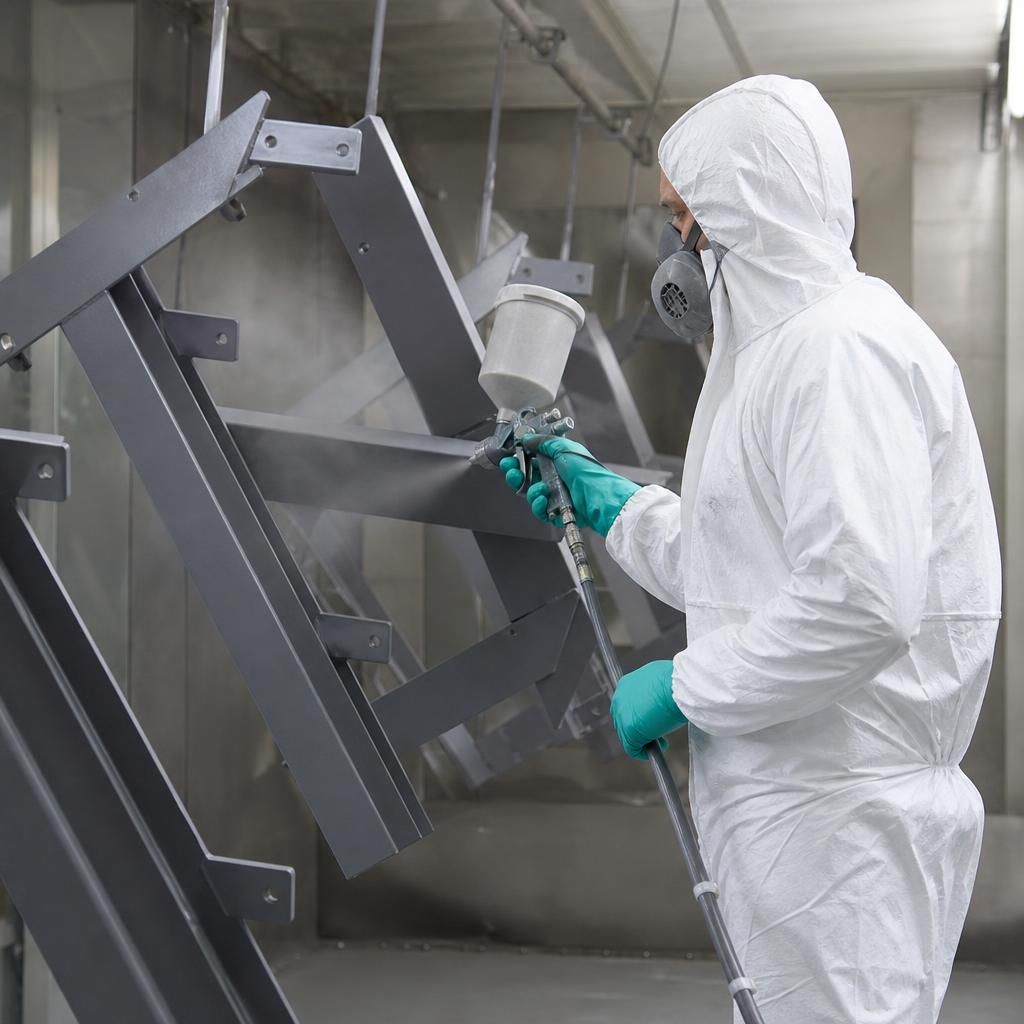
One often overlooked source of long-term cost is the way a coating system can be repaired after local damage. Selecting an epoxy primer or zinc preparation that is compatible with the finishing coat and the intended repair materials allows maintenance teams to address isolated defects without unnecessarily removing sound surrounding coating.
This approach can reduce material use and limit the preparation involved in future remedial work. It is particularly relevant to components with vulnerable edges, handling points or exposed joints, where small areas may need attention before the rest of the coating reaches the end of its serviceable life. The repair method should therefore be considered when the original system is specified, rather than treated as a separate decision after coating failure occurs.