

What role do powder coating primers play in addressing common adhesion challenges in industrial metal coating applications?
Powder coating primers are an intermediate layer applied between prepared metal and the final powder coat to improve the bond between the substrate and topcoat. They help address adhesion problems by promoting a more compatible surface, supporting corrosion protection and reducing the risk of peeling, lifting or underfilm deterioration.
Powder coating primers address adhesion challenges by controlling the interface between the metal and the finish. Their role is not simply to add another layer: the correct primer system can accommodate differences in substrate condition, seal vulnerable areas and provide a more stable foundation for the powder topcoat.
Adhesion problems usually begin before the powder is applied. Oil, grease, shop dirt, mill scale, rust, fingerprints and residues from fabrication can prevent proper contact with the metal. Weld zones may also contain heat tint, spatter or residues that behave differently from the surrounding steel or aluminium. If these conditions are not dealt with during preparation, a primer cannot reliably compensate for them.
A suitable preparation process normally includes degreasing, removal of corrosion and loose scale, abrasive cleaning where appropriate, and chemical pre-treatment selected for the substrate. The surface must then be handled and stored in a way that avoids recontamination. Edges, recesses, drilled holes and complex fabrications deserve particular attention because they can retain contamination or receive less consistent preparation than accessible faces.
Primer systems help with several specific adhesion risks:
- Substrate variation: a fabricated component may contain bare steel, welds, machined areas and repaired sections with different surface characteristics. A compatible primer can make the coating system more consistent across these areas.
- Porosity and outgassing: castings, galvanised parts and porous fabrications can release trapped gases during heating. This may cause pinholes, bubbles or craters in the finish. Appropriate pre-treatment, preheating or degassing procedures, combined with a suitable primer, can reduce the effect.
- Sharp edges and weld transitions: powder can be thinner at exposed edges and uneven around weld profiles. Edge preparation and a primer designed for the service environment help the coating system maintain continuity in these vulnerable areas.
- Dissimilar substrates: assemblies containing different metals can present different chemical and thermal behaviours. The primer must be compatible with each substrate and with the specified topcoat rather than selected by colour alone.
- Severe service conditions: moisture, chemicals, abrasion and cyclic temperature changes can place stress on the coating interface. A primer can form part of a multi-layer system designed for those conditions, provided the complete system has been selected and cured correctly.
Primer selection should therefore consider the base metal, preparation method, topcoat chemistry, required film build and operating environment. An epoxy-based system may be considered where barrier performance and chemical resistance are important, while other primer technologies may be more appropriate for exterior exposure, high wear or specialist substrates. Compatibility matters: a primer and topcoat supplied as separate products may have different curing requirements or recoat limits, so the technical data for the complete system should be checked.
Application control is equally important. The primer needs an even film, with particular care at edges, corners and recessed features. Excessive thickness can create curing or dimensional issues, while insufficient coverage may leave weak points in the system. The coated part must follow the specified cure schedule, which relates to the metal temperature rather than simply the time that the item remains in the oven. Under-cure can leave the coating system with inadequate mechanical properties; excessive heat can affect the finish or the substrate.
Powder coating primers are most effective when used as part of a controlled process rather than as a remedy for poor preparation. For repeat production, useful checks include recording the substrate and pre-treatment route, monitoring oven conditions, measuring dry film thickness and carrying out adhesion testing on representative parts. Cross-hatch or pull-off testing may help investigate a failure, but the result must be interpreted alongside the failure location. Separation at the metal interface points towards preparation or pre-treatment concerns, whereas separation between primer and topcoat may indicate incompatibility, contamination or an incorrect cure sequence.
Industrial components should also be assessed according to their actual service demands. A primer selected for indoor equipment may not be suitable for outdoor structures, chemical exposure or areas subject to impact and abrasion. Design details matter as well: unsealed joints, water traps and inaccessible cavities can undermine an otherwise well-specified coating system by allowing contamination or moisture to remain at the interface.
In practice, the primer is one element of an adhesion strategy that includes design, cleaning, pre-treatment, application, curing and inspection. Discussing these factors with a powder coating specialist before production helps establish whether a primer is necessary, which system is compatible with the topcoat, and what process controls are needed for the metal components being coated.
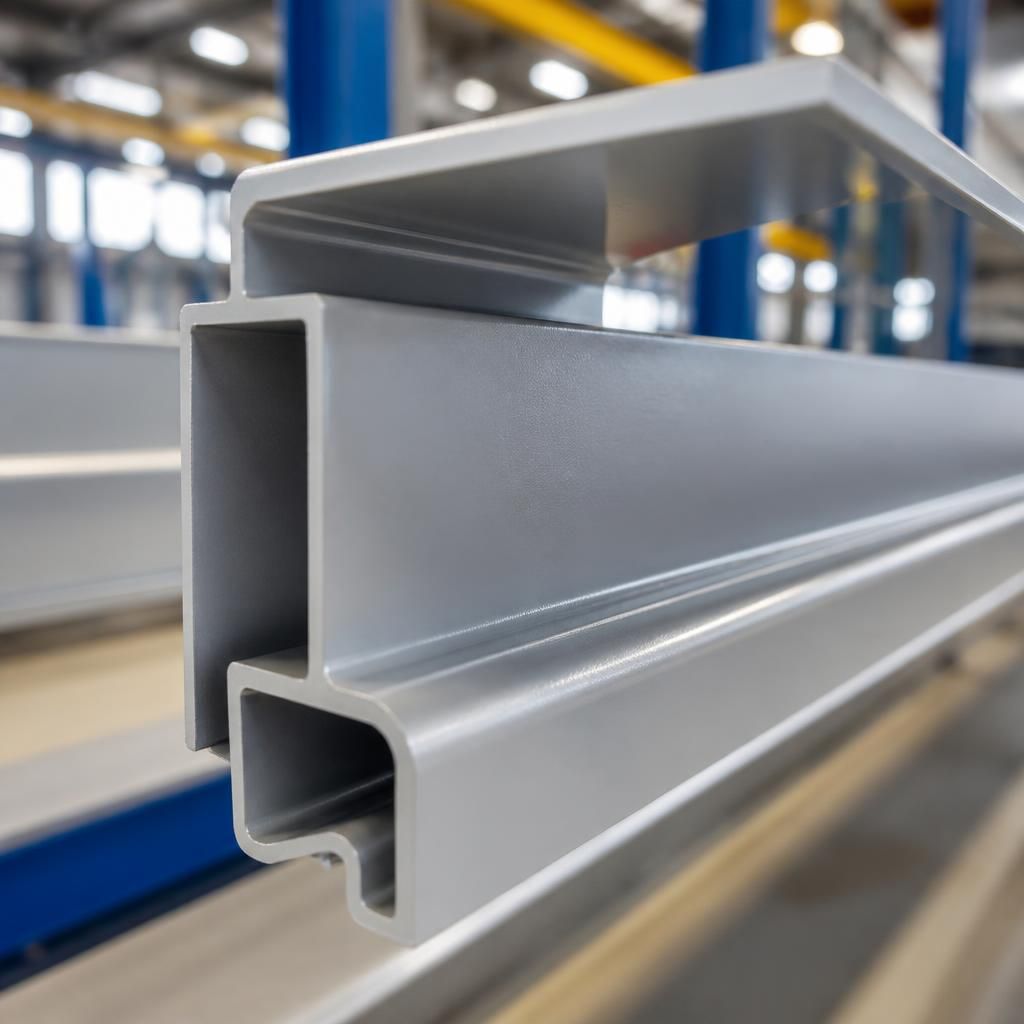
A powder coating primer can reduce adhesion failure caused by movement between the metal substrate and the finish. Metal and cured powder coatings respond differently to heating, cooling, impact and vibration. This difference can place stress on the coating interface, particularly around joints, bends and transitions in fabricated components.
Where the primer is formulated with suitable flexibility and intercoat adhesion, it acts as a controlled intermediate layer rather than leaving the topcoat to bond directly to every change in the substrate. This can help distribute local stresses and reduce the likelihood of cracking or delamination during service. The benefit depends on selecting a primer and topcoat that are designed to work together; a softer or more flexible primer is not automatically suitable for components requiring high hardness, chemical resistance or dimensional stability.