

How do primer, epoxy, and nylon coatings differ in terms of durability and environmental resistance?
Primer, epoxy and nylon coatings differ in what they are designed to protect against. Primers mainly improve adhesion and corrosion resistance beneath a topcoat, epoxy provides strong chemical and moisture resistance but limited UV stability, while nylon offers a tough, low-friction surface with high resistance to wear, impact and many chemicals.
There is no universal durability ranking between primer, epoxy and nylon coatings because they perform different roles within a coating system. A primer is normally selected to improve the bond and protect the substrate beneath a finishing coat; epoxy is commonly chosen as a protective film; and nylon is selected where the finished surface must tolerate repeated contact, sliding or impact. The most suitable option depends on the exposure conditions, the metal substrate and whether the component is used indoors or outdoors.
Primer durability depends on the complete coating system. Primer should not usually be assessed as an exposed finish. Its performance is influenced by surface preparation, film coverage, compatibility with the topcoat and the type of corrosion protection required. A well-selected primer can reduce the risk of underfilm corrosion and help a topcoat remain attached when the component is exposed to humidity, handling or temperature changes. If the primer is exposed directly to sunlight, abrasion or chemicals, its resistance may be lower than that of a purpose-designed finishing coat.
Primer is therefore most valuable where the interface between the metal and the outer coating is the main concern. It can be appropriate for fabricated components with difficult corrosion conditions, areas where edge coverage matters, or systems that need an additional barrier between the substrate and the environment. It does not, by itself, determine the final appearance or the complete service life of the component.
Epoxy provides a dense protective barrier. Its cured film generally performs well against moisture, oils and many industrial chemicals, provided the coating is correctly selected for the specific substances and exposure temperature. This makes epoxy useful on components located in plant rooms, workshops, machinery environments and other areas where chemical contact or condensation is more significant than direct sunlight.
Epoxy’s main environmental limitation is prolonged ultraviolet exposure. Sunlight can cause surface chalking, colour change and loss of appearance over time. These changes do not necessarily mean that the coating has immediately lost all protective value, but they indicate that an epoxy-only finish may be unsuitable where long-term colour and gloss retention are important. For external components, epoxy may be used beneath a more UV-stable topcoat when the specification requires both barrier protection and weathering resistance.
Nylon is generally judged by mechanical performance at the surface. A nylon coating can be advantageous where parts experience sliding contact, repeated handling, rubbing, impact or contact with other components. Its relatively resilient surface can help reduce damage caused by everyday mechanical interaction, particularly on items such as guides, rollers, brackets, guards and other industrial parts where wear is a primary concern.
Nylon can also resist a range of oils, solvents and chemicals, but its suitability must be checked against the exact substance, concentration, contact time and operating temperature. Nylon is not automatically the best choice for every chemical environment. Some formulations can also be affected by moisture absorption or elevated temperatures, so dimensional tolerances, fit and operating conditions should be considered where close-fitting components are involved.
- Outdoor sunlight: a conventional epoxy finish is more vulnerable to visible weathering than a coating system designed specifically for UV exposure. Nylon may be suitable in some external applications, but its weathering performance must be confirmed for the formulation and use case. Primer is normally protected by the outer coat rather than relied upon as the weathering surface.
- Humidity and condensation: the quality of substrate preparation, edge coverage and the continuity of the coating film are critical. A compatible primer and topcoat system can provide more dependable protection than selecting a finish solely by name.
- Chemical contact: epoxy often offers strong resistance, but the chemical type and exposure conditions must be compared with the coating specification. Nylon may perform well against particular chemicals while being less appropriate for others.
- Abrasion and impact: nylon is often the strongest candidate where the coating itself is repeatedly rubbed, struck or used as a contact surface. Epoxy can protect effectively in less mechanically demanding locations but may be damaged if subjected to continual scuffing.
- Temperature variation: curing, service temperature and thermal movement between the metal and coating can affect adhesion and cracking risk. The coating must be suitable for the component’s actual operating range rather than its normal ambient conditions alone.
Application quality can outweigh the nominal coating choice. Oil, rust, mill scale, moisture and other contamination can prevent proper bonding. Inadequate preparation, incorrect curing or inconsistent coating thickness can create weak areas, pinholes or premature breakdown in any system. Sharp edges, welds, recesses and assembled joints also need attention because they can receive less even coverage and are often the first areas to show corrosion or mechanical damage.
For that reason, selection should begin with an exposure assessment: identify whether the principal threat is sunlight, water, chemicals, abrasion, impact, corrosion or a combination of these. A primer-based system is often appropriate where adhesion and corrosion control need strengthening; epoxy is suited to many chemically or moisture-demanding indoor environments; and nylon is more appropriate when surface wear and contact damage dominate. Where conditions overlap, a compatible multi-layer specification may provide a better balance than relying on one coating to address every risk.
Before coating a production batch, the specification should confirm the substrate, preparation method, coating compatibility, required finish, operating temperature and likely contaminants. For critical components, representative samples or test panels can help verify adhesion, appearance and resistance under the intended conditions. This approach gives a more reliable indication of durability than comparing primer, epoxy and nylon as interchangeable finishes.
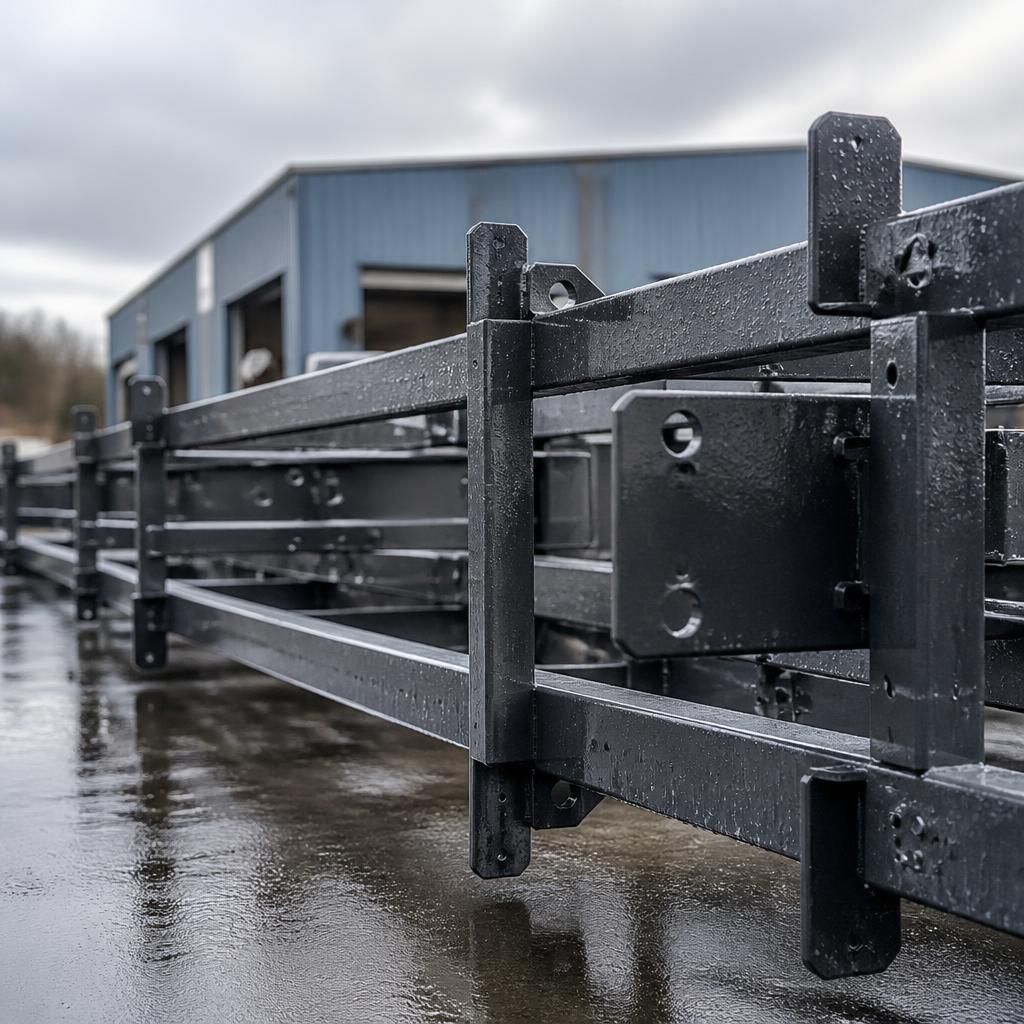
Environmental resistance depends on the exposure pattern, not simply on whether a coating is described as resistant to chemicals, weather or corrosion. A brief splash, continuous immersion, condensation cycle and regular washing place different demands on the finish. When comparing primer, epoxy and nylon coatings, assess the actual contact duration, operating temperature, cleaning method and ultraviolet exposure. This helps prevent a coating being selected from a general resistance claim that does not reflect the component’s working conditions.