

How do nylon coatings influence the maintenance requirements and longevity of industrial metal components?
Nylon coatings can extend the service life of industrial metal components by providing a tough, low-friction surface that resists abrasion, impact, moisture and many chemicals. By reducing surface wear and helping protect the underlying metal, they can limit maintenance needs, provided the coating is correctly specified, applied and inspected.
Nylon coatings influence maintenance and service life by separating metal surfaces from routine mechanical contact and environmental exposure, while providing a stable surface for inspection and cleaning. Their greatest benefit is usually a reduction in damage at contact points, sliding interfaces, edges and handling areas; however, the result depends on substrate preparation, coating thickness, component design and the conditions in which the part operates.
Maintenance requirements are affected in several practical ways:
- Less frequent surface refurbishment: A correctly applied nylon layer can slow the development of scratches, scuffing and wear caused by repeated contact, reducing the need for regular recoating or replacement of affected components.
- Protection at contact surfaces: Nylon is useful where metal parts rub against one another or interact with tools, guides, chutes, rollers and handling equipment. Its low-friction characteristics can help reduce the mechanical damage that would otherwise expose the substrate.
- Simpler routine cleaning: A continuous, well-finished surface is generally easier to wipe or wash than damaged metal with roughened areas, flaking coating or embedded debris. Cleaning methods must still be compatible with the nylon system and the process chemicals used on site.
- Fewer contamination points: Pinholes, cracks and poorly finished edges can retain moisture or process residue. Good application quality limits these locations and makes condition checks more meaningful.
Longevity is therefore not determined by the nominal presence of nylon alone. The coating must remain bonded to the metal and retain sufficient coverage throughout the working life of the component. Once the film is breached, localised damage can allow moisture, chemicals or abrasive particles to reach the substrate. Early attention to a small defect is usually more effective than allowing it to spread across a high-use area.
Specification should begin with the service conditions. The coating choice needs to reflect the type of movement, contact pressure, edge exposure, operating temperature, cleaning chemicals and outdoor or indoor environment involved. A component that experiences continuous sliding may require a different approach from one exposed mainly to impact or intermittent handling. Consideration should also be given to whether the part is a structural item, a wear surface, a component with close clearances or a part that must retain electrical or insulating properties.
Component design has a direct effect on maintenance intervals. Sharp edges, deep recesses, inaccessible faces and abrupt changes in section can make it harder to achieve consistent coverage and inspect the finished coating. Drainage and ventilation should be considered where moisture could collect. Mating parts also need sufficient clearance for the coating system; otherwise, assembly may damage the finish or create excessive contact pressure at the edges.
Preparation and application are critical to long-term performance. Oil, rust, scale, previous coatings and other contaminants can prevent reliable adhesion. The metal should be prepared using a method suited to its condition and the specified coating system, followed by appropriate cleaning and handling. Application should produce even coverage without runs, thin spots, overspray contamination or uncoated areas. Particular attention is needed around edges, apertures, welds and fixing points, where coating continuity is more difficult to maintain.
Inspection should form part of the maintenance plan rather than being reserved for an obvious failure. Checks can look for:
- lifting, blistering, peeling or loss of adhesion;
- exposed metal at edges, holes, corners and contact zones;
- grooving, polishing, thinning or localised wear;
- discolouration, swelling or surface changes associated with chemical exposure;
- damage caused during transport, installation or adjustment; and
- debris or residue trapped around joints and moving interfaces.
Inspection frequency should reflect the component’s duty and the consequences of failure. High-contact parts, safety-related items and components exposed to aggressive cleaning or process conditions warrant closer monitoring than lightly used covers or guards. Records of recurring damage can help identify whether the cause is coating selection, excessive contact, misalignment, poor handling or an unsuitable cleaning procedure.
When damage is found, the repair method should be assessed rather than simply covering the affected area. The failed section may need to be removed, the substrate inspected and the surface re-prepared before a compatible repair or complete recoating is considered. If metal corrosion, distortion or deep wear is already present, restoring the coating alone may not resolve the underlying problem. Repeated failure in the same location can indicate that the component design, operating load or coating specification needs review.
Nylon coatings can extend useful service life most effectively when they are treated as one part of a wider maintenance system. Correct specification, controlled preparation, suitable application, careful installation, compatible cleaning and planned inspection all contribute to retaining the coating’s protective function. For industrial metal components, this approach can reduce avoidable intervention while making wear and damage easier to identify before they become a more serious maintenance issue.
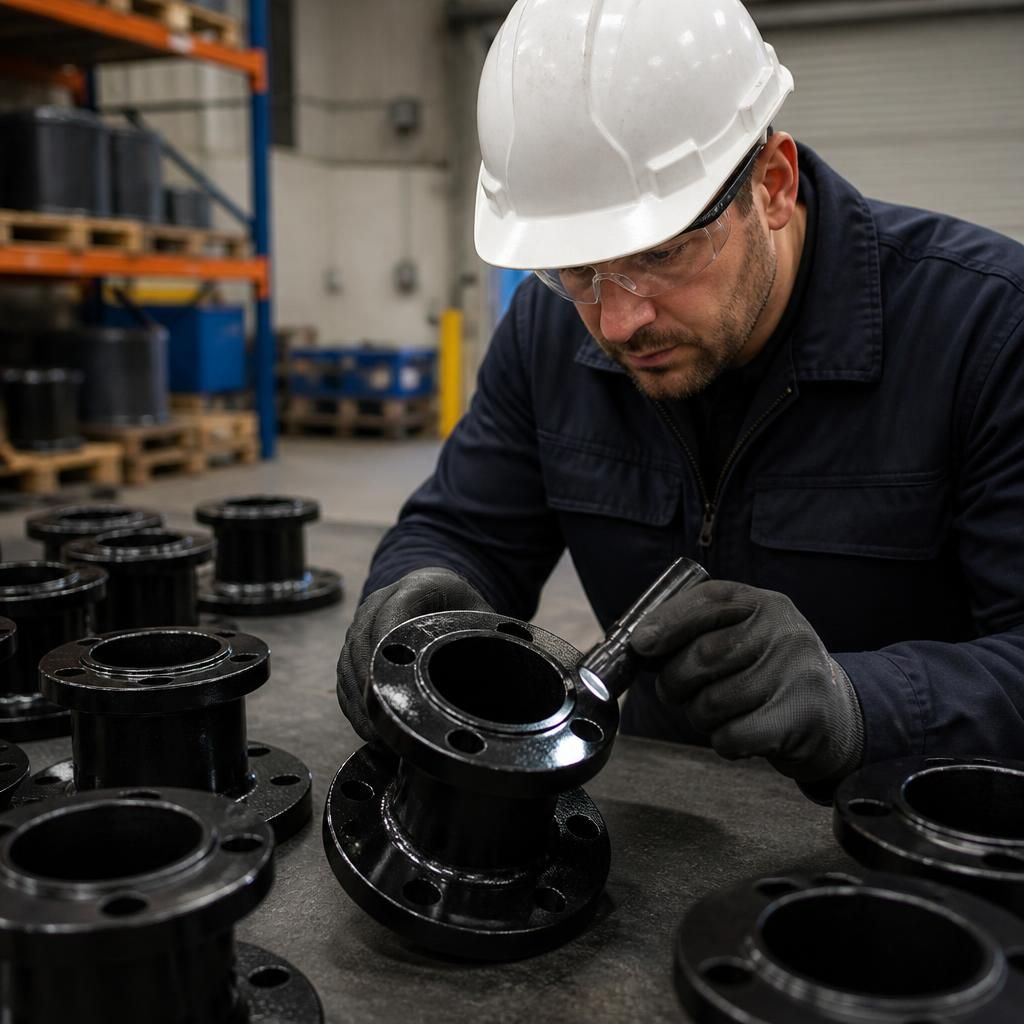
Nylon coatings can affect maintenance requirements through their response to temperature and moisture, not only through resistance to mechanical wear. As a thermoplastic coating, nylon may soften at elevated temperatures and can absorb some moisture, depending on the formulation and operating conditions. These changes can influence surface hardness, dimensions and the coating’s ability to remain suitable for its intended duty.
For components exposed to heat, steam, wash-down processes or outdoor moisture, the coating specification should match the full operating range rather than the normal average conditions. Repeated heating and cooling can place stress at the coating-to-metal interface, particularly where the component has thin sections, sharp transitions or dissimilar materials. Maintenance inspections should therefore include checks after significant changes in process temperature or cleaning conditions, looking for swelling, softening, distortion, lifting or changes in fit.
This consideration is especially important for coated parts with close tolerances, sliding interfaces or controlled clearances. If temperature or moisture causes the coating or component to change dimension, friction and assembly loads may increase even when there is no obvious surface damage. Recording these changes can help distinguish a coating failure from an operating condition that falls outside the system’s intended specification.
Discuss Nylon Coatings for Your Industrial Components
If you are assessing nylon coating for a new or existing metal component, discuss its operating conditions, contact points and maintenance requirements with our team. We can help determine whether a nylon coating is suitable for the component’s intended use.