

How do I determine which filler primer is compatible with the specific metal substrates used in my industrial applications?
Determine compatibility by matching the filler primer’s technical data sheet to the metal substrate, required corrosion protection, application method and powder coating chemistry. Confirm the choice with a small test panel, checking adhesion, appearance and curing before approving it for full-scale production.
Choose a filler primer by establishing how it interacts with the substrate, the pre-treatment system and the powder coating that will be applied over it. Compatibility means more than whether the primer can be applied to a particular metal: the complete coating system must wet the surface, adhere through the intended preparation, tolerate the curing cycle and remain stable in service.
Start by identifying the substrate accurately. Do not treat all ferrous or non-ferrous metals as interchangeable. Record the base metal, alloy where relevant, surface condition and any previous treatment. Common industrial substrates include mild steel, galvanised steel, zinc-coated components, aluminium, stainless steel and cast metals. Their surface chemistry, porosity, oxide layer and response to preparation can differ significantly.
- Mild steel: Check whether the primer is intended for blasted, chemically pre-treated or mechanically prepared steel. Any mill scale, flash rust, oil or residual abrasive can interfere with adhesion and corrosion protection.
- Galvanised and zinc-coated steel: Look for a primer specifically validated for zinc-rich or zinc-coated surfaces. Outgassing, surface passivation and the condition of the zinc layer can affect both adhesion and the appearance of the finished powder coating.
- Aluminium: Confirm that the primer is suitable for aluminium and for the selected pre-treatment. Aluminium oxide forms rapidly, so surface preparation and contamination control are particularly important.
- Stainless steel: Stainless grades may have a relatively low surface energy and a passive oxide layer. The primer data should address preparation and adhesion to stainless surfaces rather than relying on its suitability for ordinary steel.
- Castings and porous metals: Porosity can retain moisture, oils or gases that later cause pinholing, blistering or loss of adhesion during powder curing. A compatible primer cannot compensate for contaminants released from the substrate.
Read the technical data sheet for substrate limitations. Check the listed substrates, recommended preparation, minimum and maximum application conditions, film thickness range, recoat guidance and curing requirements. Also review the safety data sheet for handling and hazard information. If the documentation only refers broadly to metal, obtain clarification before treating that statement as approval for a specialist alloy, galvanised component or casting.
Consider the surface condition, not just the metal type. A new, clean fabrication presents a different bonding surface from a component carrying weld scale, machining fluid, corrosion, old paint or conversion coating. Establish whether the filler primer is intended for bare metal, prepared existing coatings or both. Where old coatings remain, their adhesion and chemical resistance become part of the system; the new primer may bond well to the old layer while the old layer remains poorly attached to the metal beneath it.
Preparation should therefore follow the primer manufacturer’s stated requirements. Degreasing, abrasive preparation, dust removal and the removal of loose corrosion may all be necessary, but the correct sequence depends on the substrate and the pre-treatment process. Excessively aggressive preparation can damage thin zinc or aluminium surfaces, while insufficient preparation can leave weak oxides or contaminants behind.
Match the primer chemistry to the service requirement. A filler primer is generally selected to level minor surface irregularities, support adhesion and form part of a protective coating system. It should not be used to bridge major defects, active corrosion or structural problems. For components exposed to moisture, salts, chemicals, abrasion or outdoor conditions, check the primer’s stated resistance and whether it is approved as part of the intended powder coating system. A product suitable for appearance improvement may not provide the required barrier protection.
Check the relationship between the primer and the powder topcoat. Important points include:
- Whether the primer is intended to be overcoated with powder rather than liquid paint or another material.
- Whether the primer remains chemically stable during the powder coating cure.
- Whether the recommended powder chemistry and primer chemistry are compatible.
- Whether the primer needs to be partially or fully cured before the topcoat is applied.
- Whether the combined coating thickness could affect edge coverage, recesses, tolerances or component fit.
- Whether the primer and powder coat have compatible gloss, colour and surface-flow characteristics.
Pay particular attention to the curing schedule. The relevant condition is the metal temperature and the time at that temperature, not simply the oven’s set-point or the time that a component spends inside the oven. A heavy steel part and a thin aluminium part may reach the required metal temperature differently. An under-cured primer may remain weak or interfere with the topcoat, while excessive heat can affect appearance, substrate condition or the performance of heat-sensitive components.
Assess the whole pretreatment and application sequence. A primer may be technically compatible with bare aluminium but unsuitable after a particular conversion coating, or suitable for blasted steel but not for a surface carrying residual phosphate. Confirm that cleaning agents, conversion coatings, masking materials and application equipment will not introduce residues or interfere with the primer. The chosen application method must also be able to produce the specified film without runs, pinholes, dry spray or uncoated edges.
For parts with welds, sharp edges, deep recesses or mixed metals, inspect compatibility at the most difficult areas rather than only on broad flat faces. Weld zones can contain heat-affected surfaces and residues; sharp edges can receive less coating; and assemblies containing dissimilar metals may need particular attention to galvanic corrosion and masking. If a component combines steel with aluminium or zinc-coated sections, confirm that one primer system is appropriate for every exposed substrate or specify a controlled alternative for each area.
Use objective acceptance criteria before production. Define what must be checked for the specific application, such as surface coverage, film build, visual uniformity, adhesion, corrosion performance, dimensional limits and resistance to the expected environment. Keep records of the substrate grade, preparation method, primer batch, application conditions, film thickness and cure profile. This makes it possible to distinguish a substrate-compatibility problem from an application, contamination or curing problem.
When the documentation does not clearly cover the substrate or coating combination, obtain written technical advice from the primer manufacturer or coating specialist and validate the proposed system on representative components. A test should include the actual substrate, preparation, primer application, powder coating and curing process used in production. Examine difficult features as well as flat areas, and assess the result after any relevant environmental or mechanical exposure. This is especially important for unusual alloys, mixed-metal assemblies, refurbished components, porous castings and applications where rework would be costly.
The most reliable selection is therefore the one supported by substrate identification, documented preparation requirements, a compatible powder coating system and evidence from representative production conditions. If any of those elements is uncertain, the primer should be treated as unapproved until the coating system has been technically reviewed and validated.
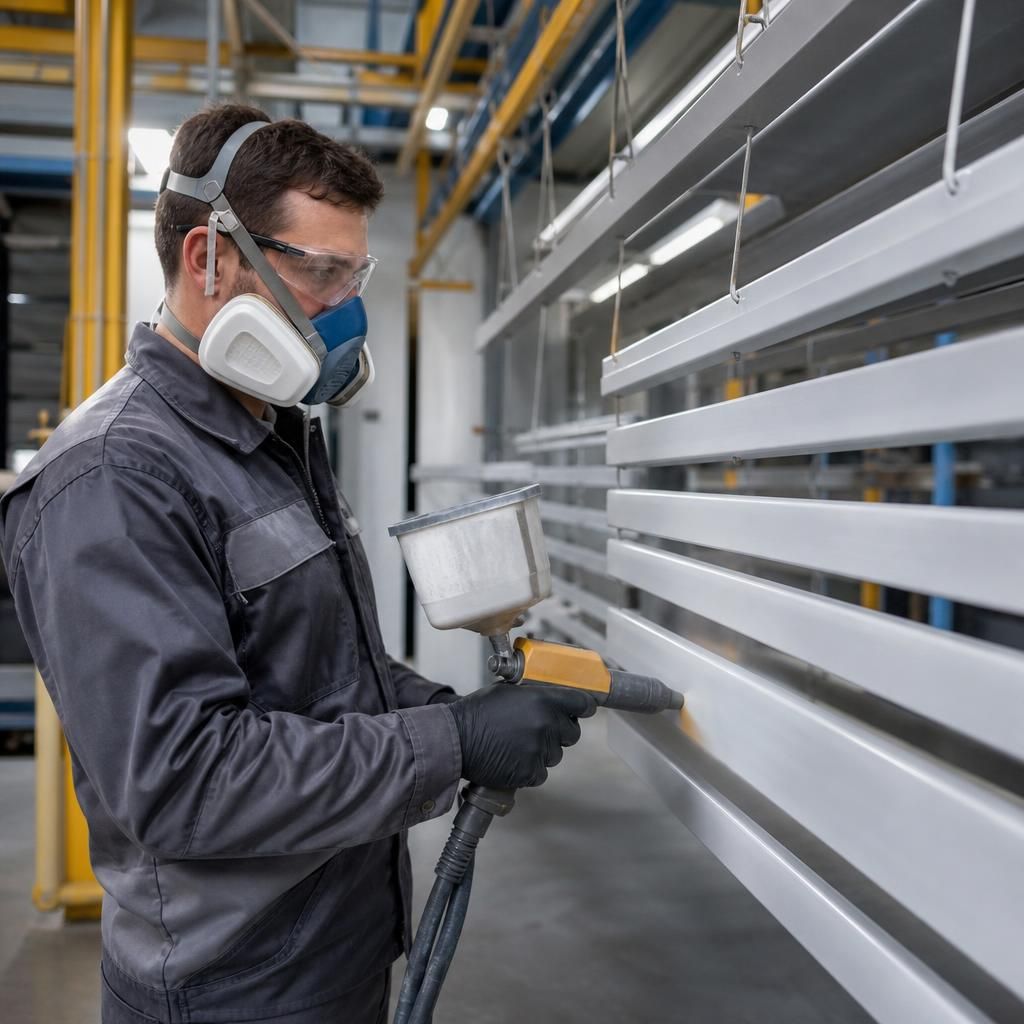
Filler primer compatibility is conditional on the complete coating process, not simply on the name of the metal. A primer approved for one preparation method, film thickness or powder system should not automatically be transferred to another application. Changes in pre-treatment, application equipment, cure profile or topcoat chemistry can alter the result even when the substrate appears identical.
For a controlled decision, record the exact combination being assessed: substrate grade, surface preparation, primer specification, intended film build, powder coating type and curing conditions. If the manufacturer’s documentation does not cover that combination, request written technical confirmation and retain it with the coating specification. This creates a traceable basis for approving the primer and prevents an apparently suitable product from being used outside its validated conditions.